A Young Writer Reflects
21 September 2026
After every project we sponsor, we measure the impact and the reach of the event. How has it helped connect young people with nature? This thoughtful and beautifully written piece by Lucy Kerr, a participant of the Young Writers Retreat in August, shows that being immersed in nature is crucial to our understanding and appreciation of our natural world.
My Very Own Mycorrhizal Network
Reflections from the Young People’s Nature Writing Retreat
By Lucy Kerr
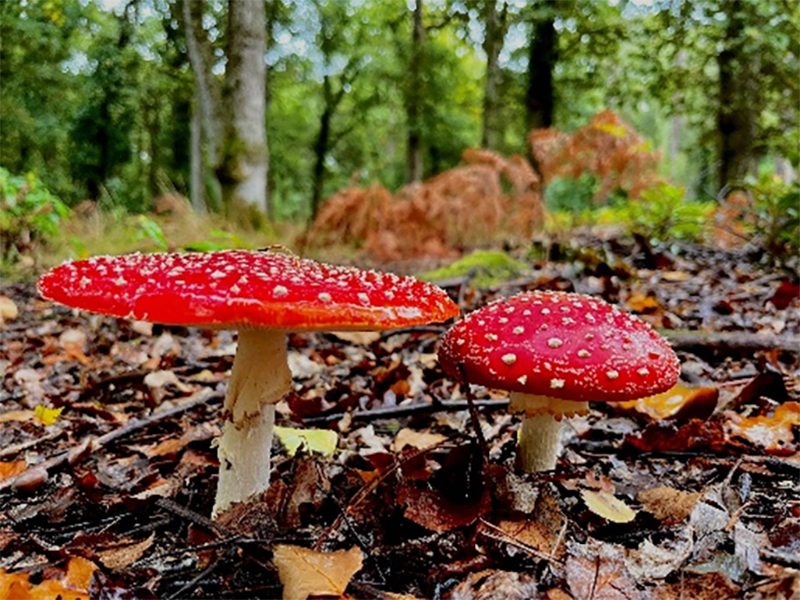
From what little I know about the magical workings of the non-human world, I do know a little about the mycorrhizal network of trees. In healthy forests, networks of mycelium wrap themselves around the roots of trees. Through this mycelium, trees communicate to each other. They offer nutrients to those who need them most; older trees look after the small saplings, and the healthy nurture the sick. This connectivity, hidden under the soil from the human eye, reminds me that even when we feel so far away from nature, we are always entangled.
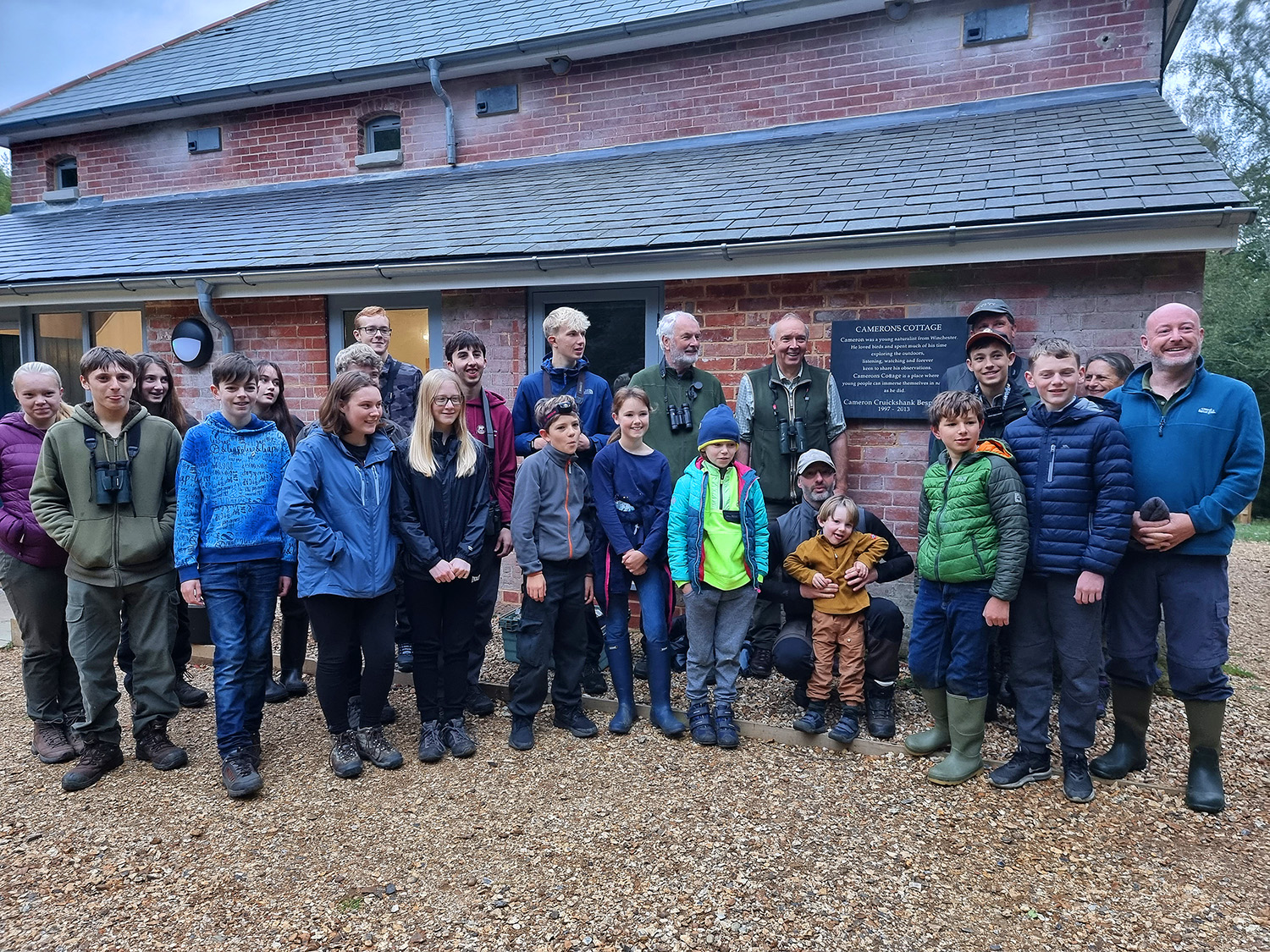
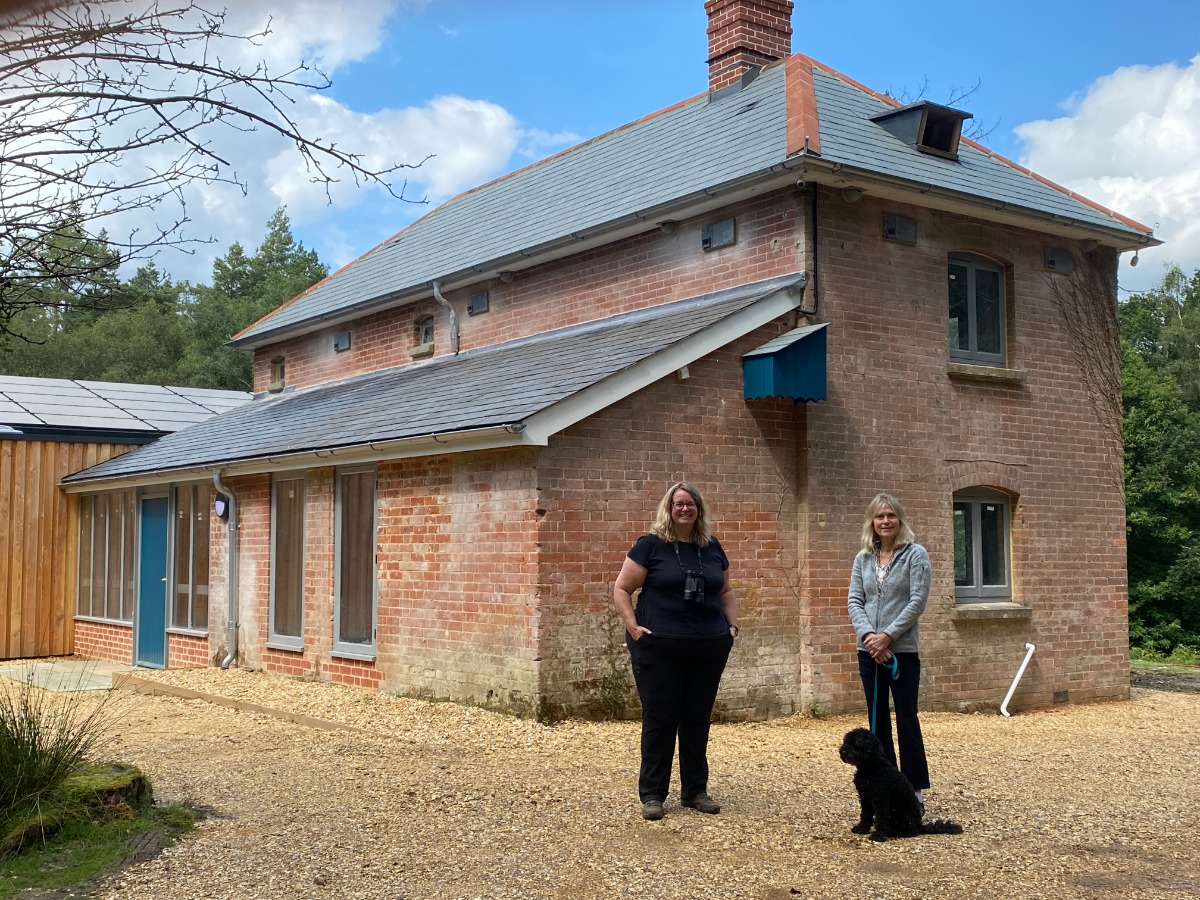
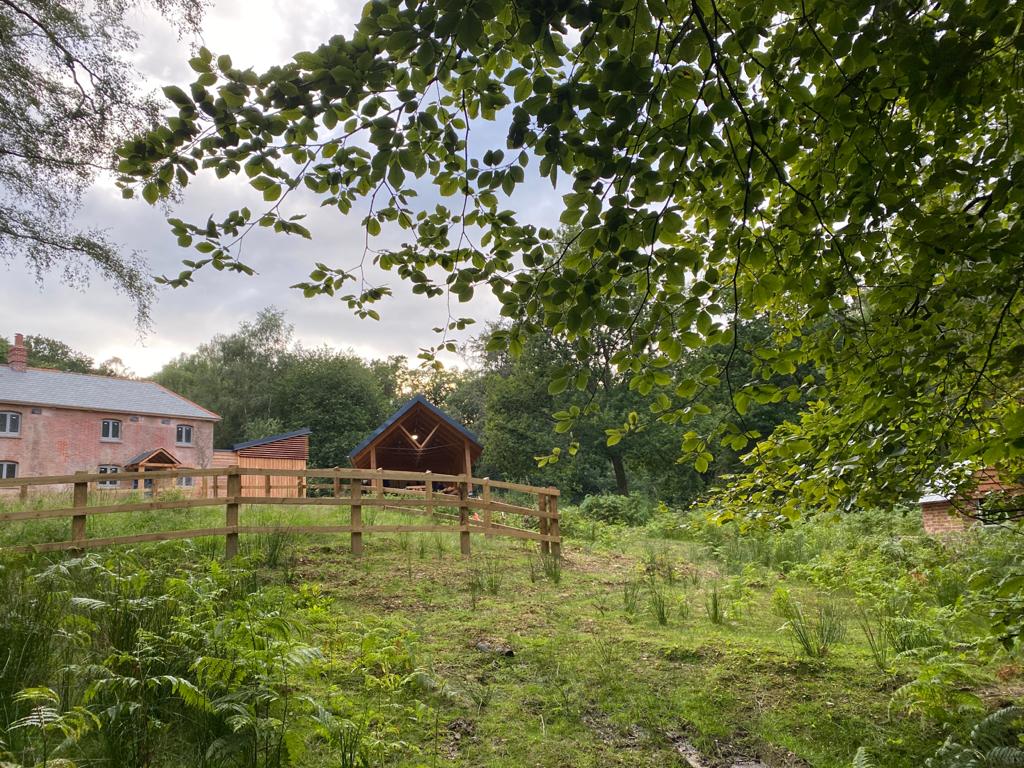
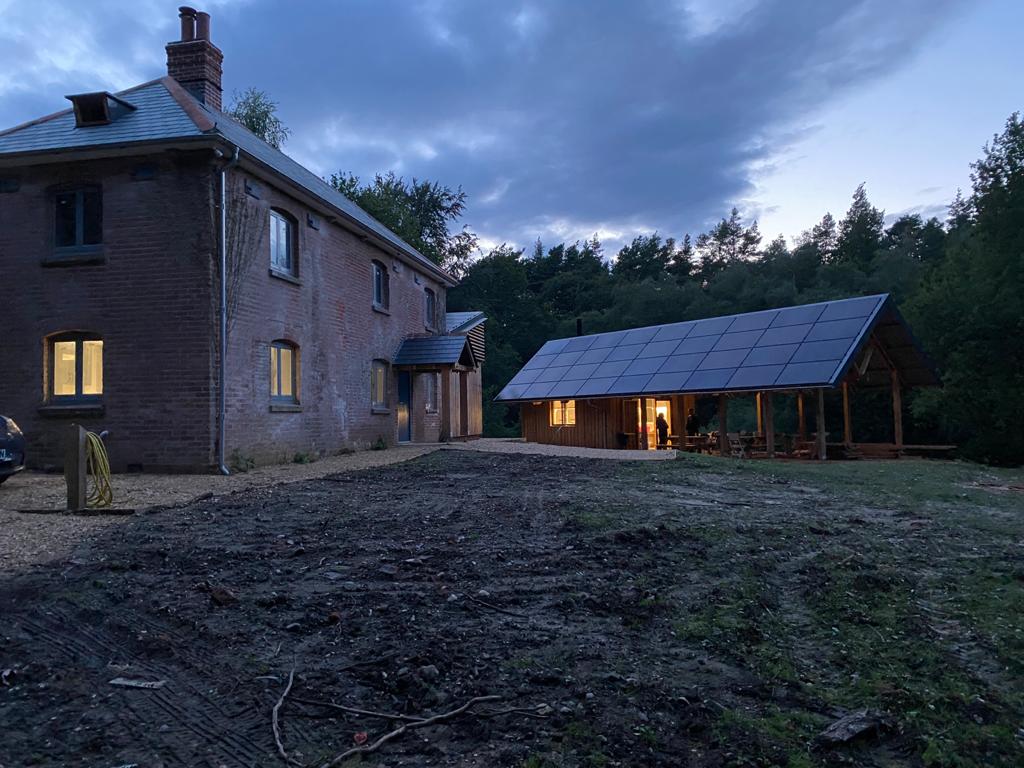
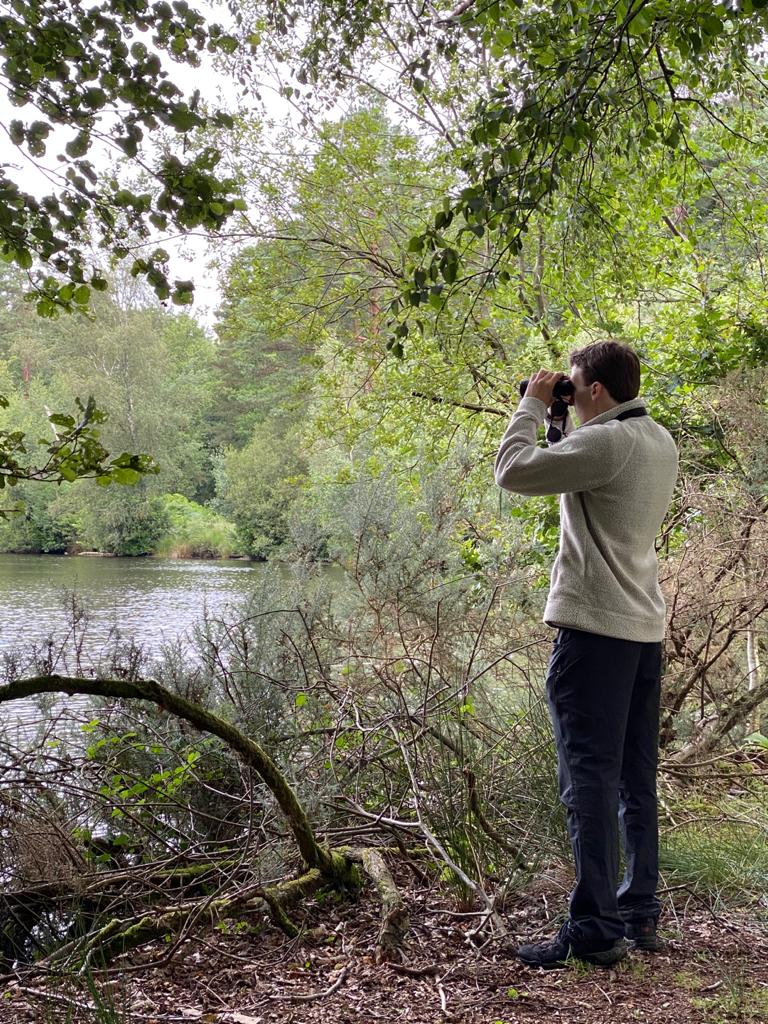
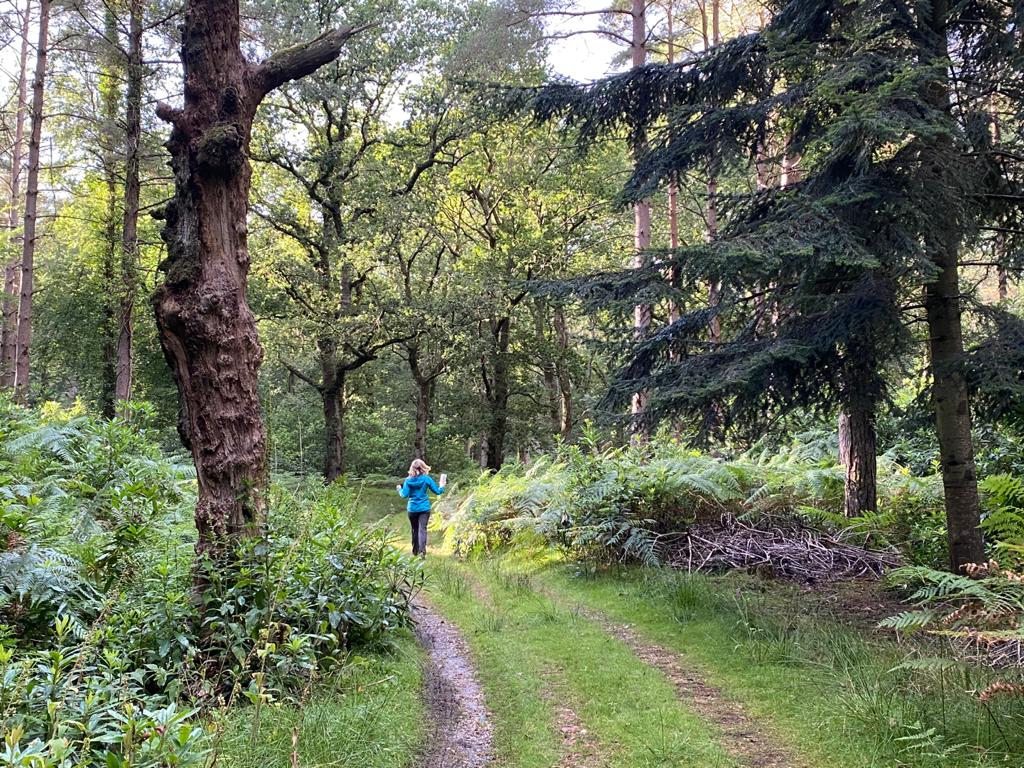
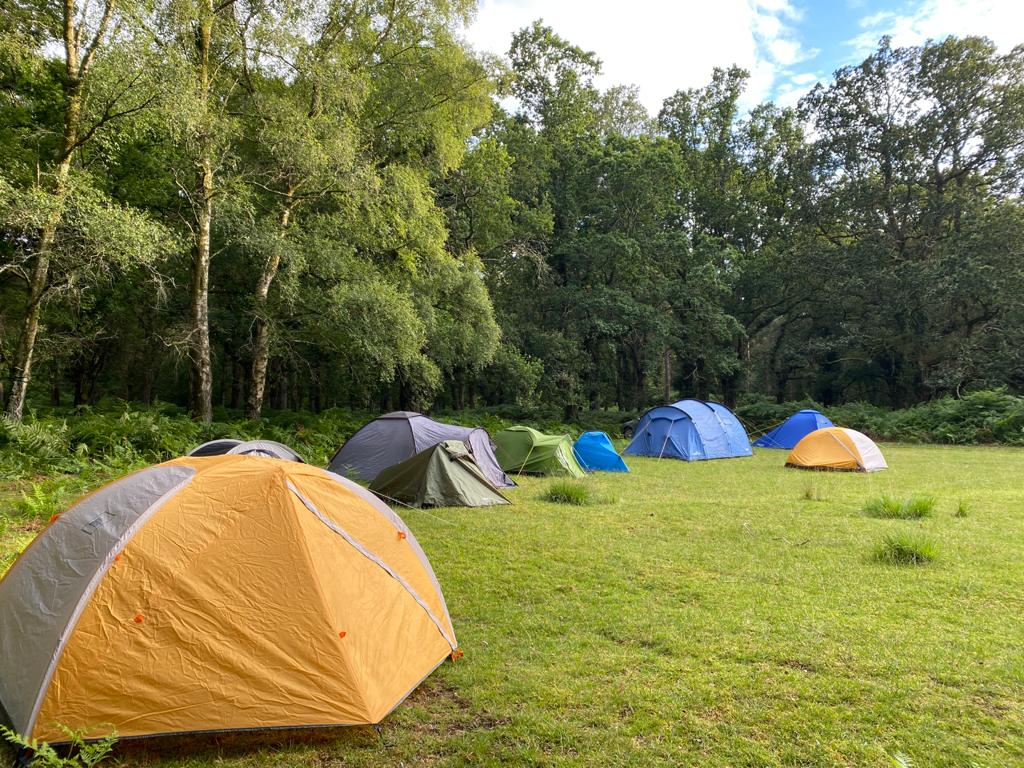
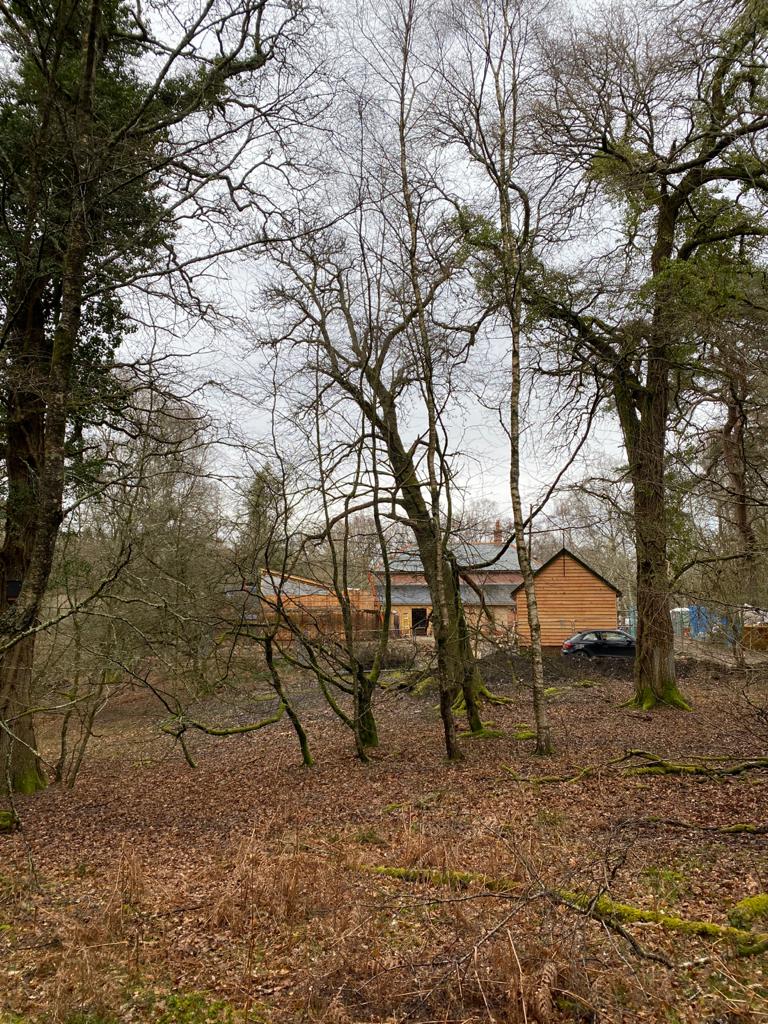
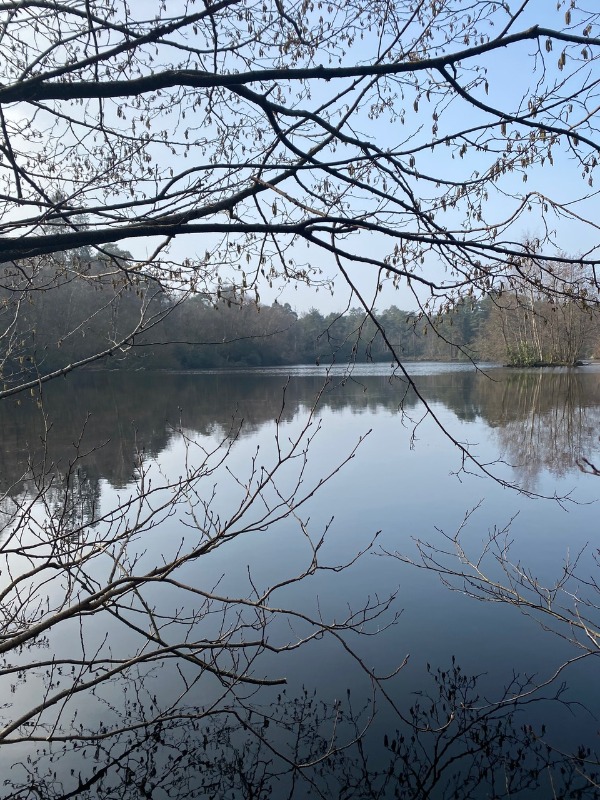
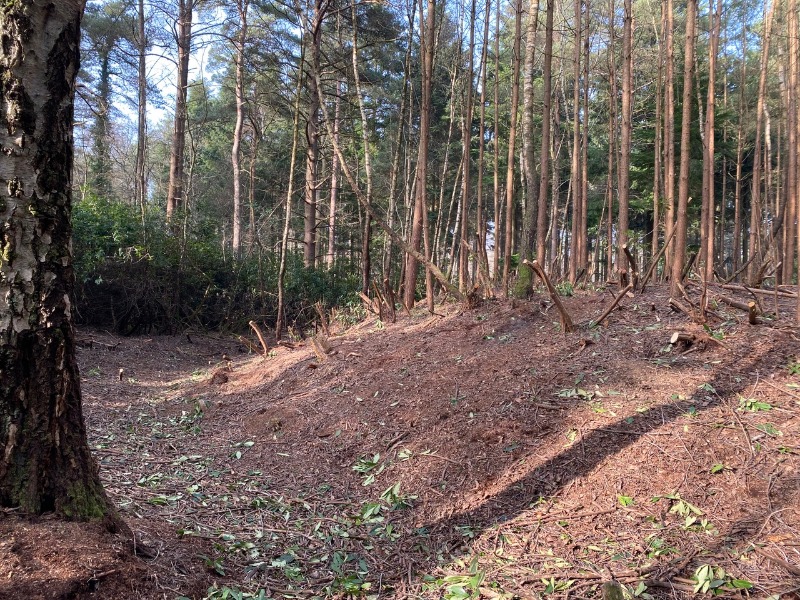
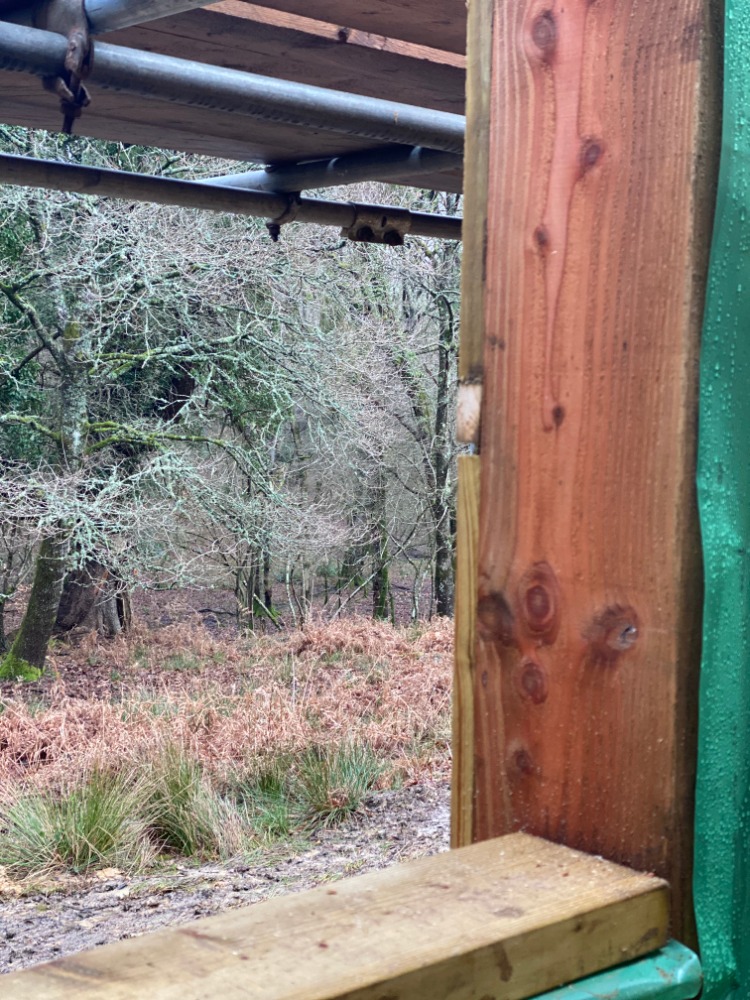
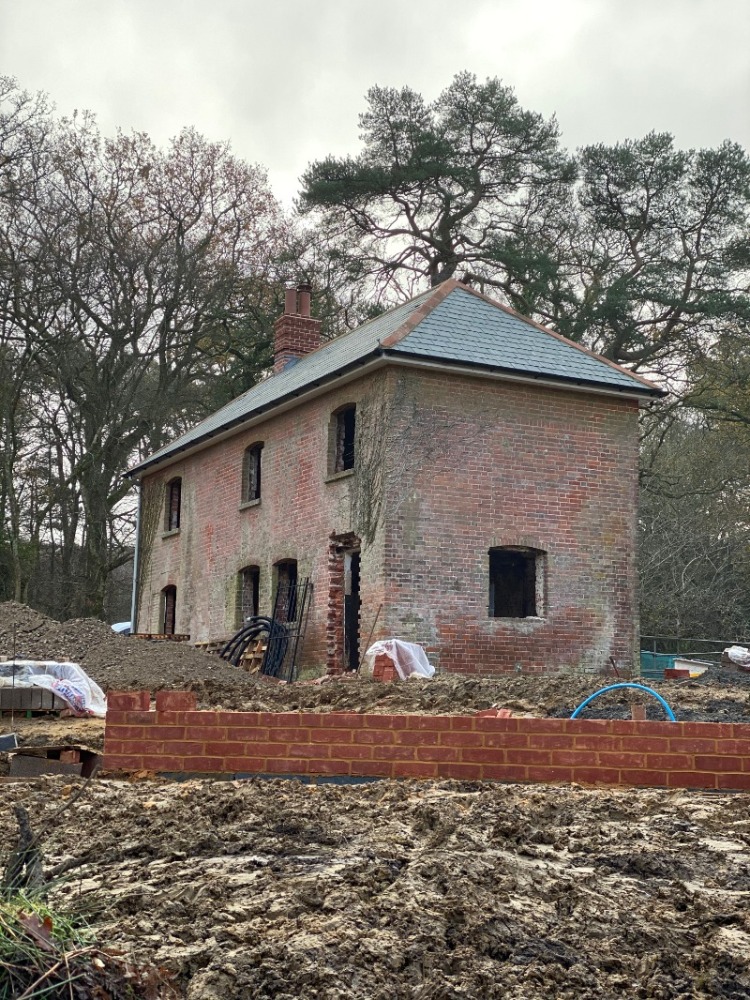
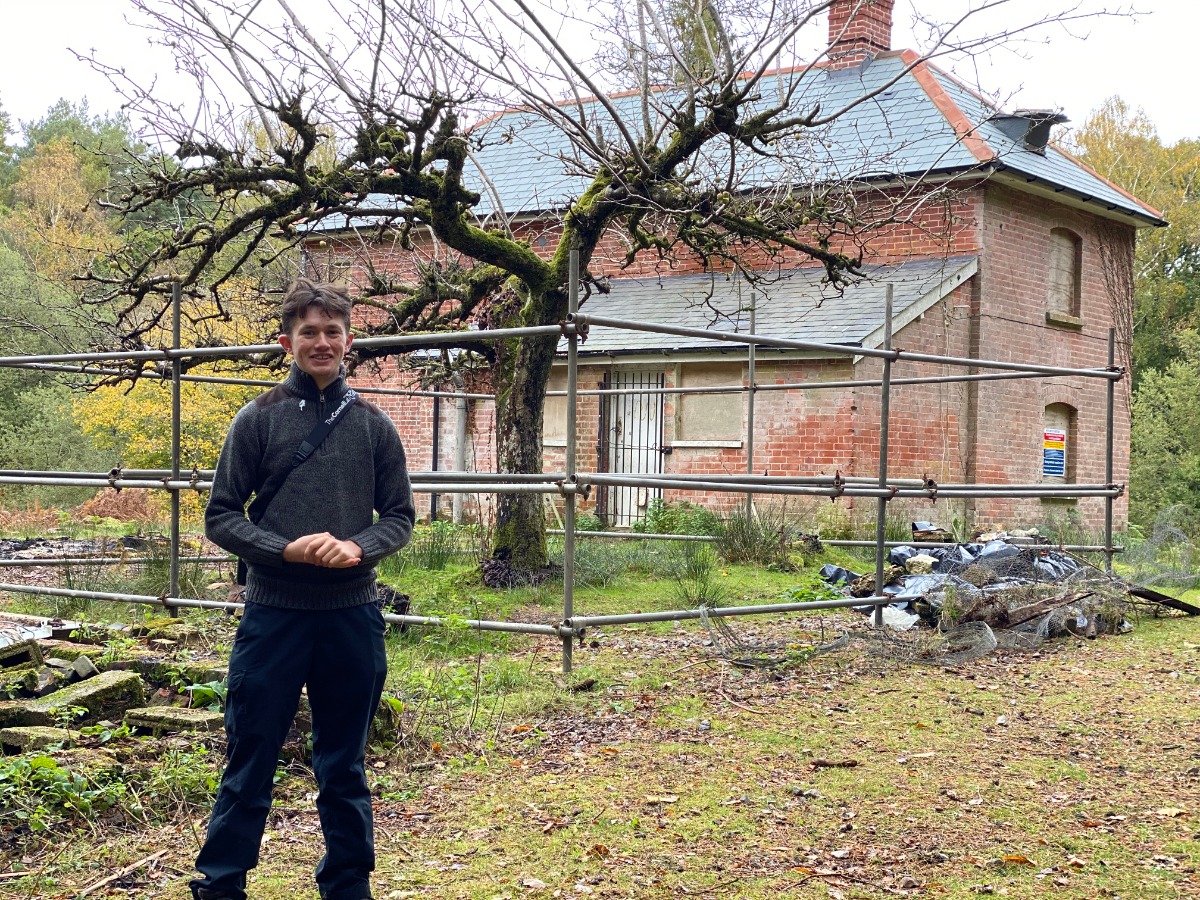
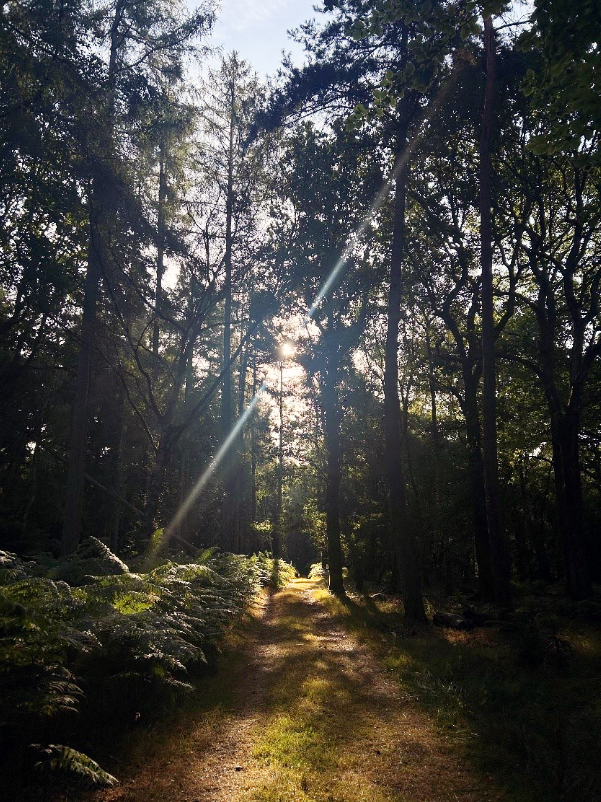
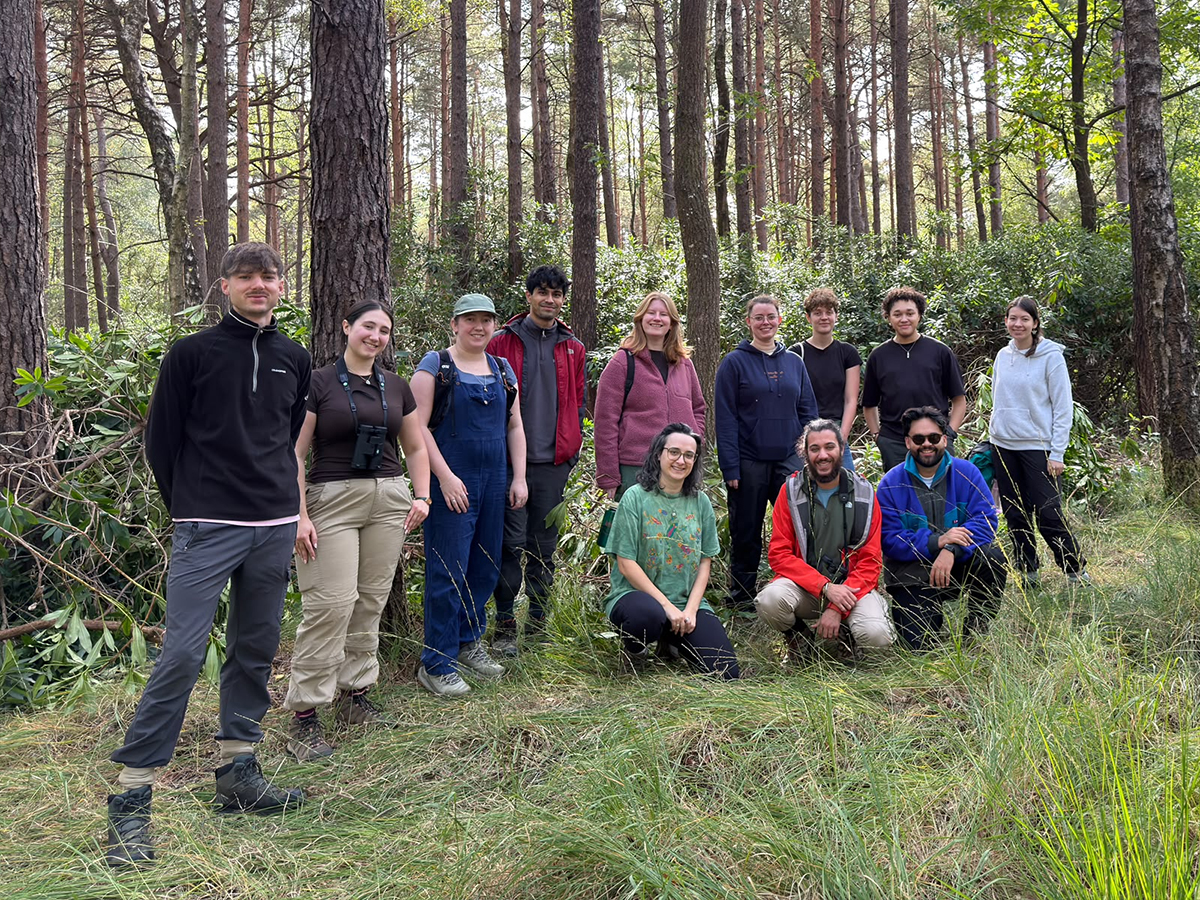
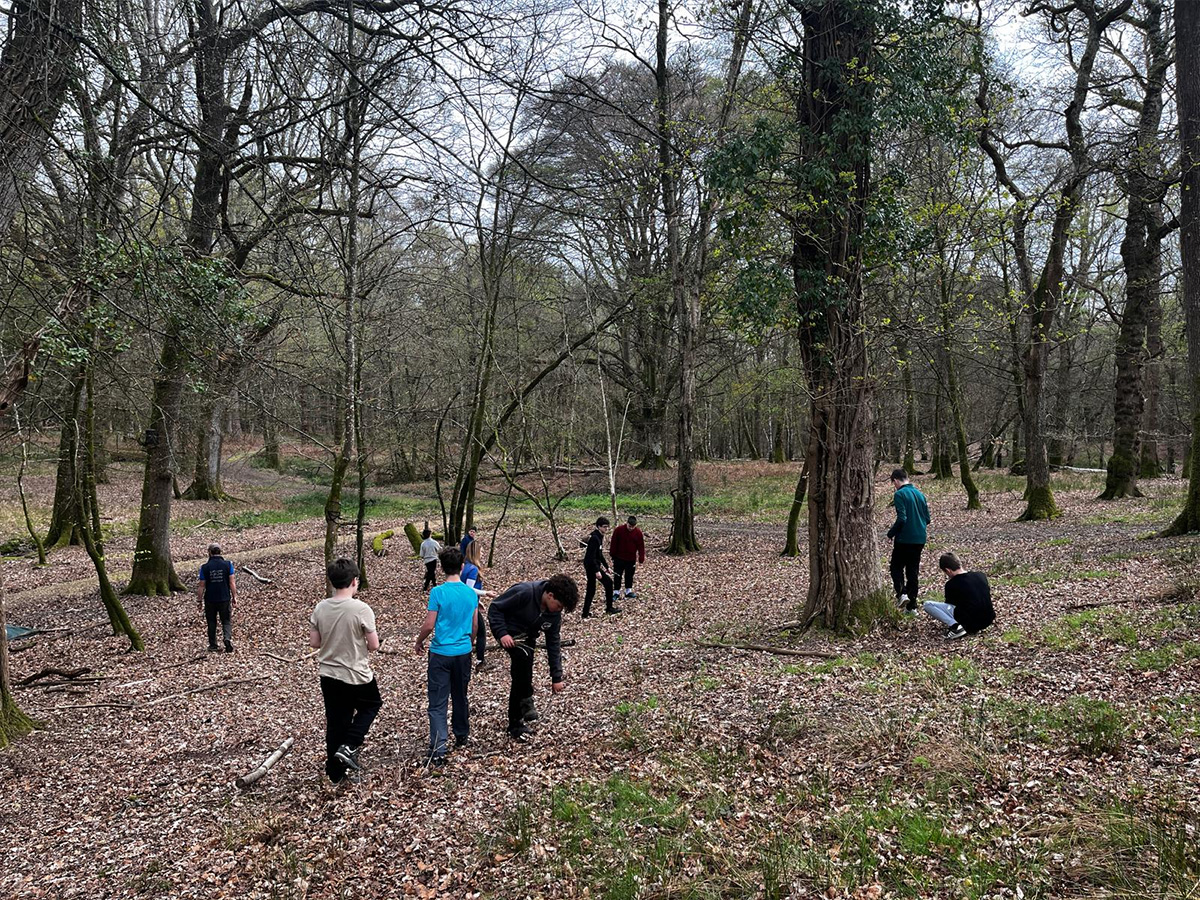
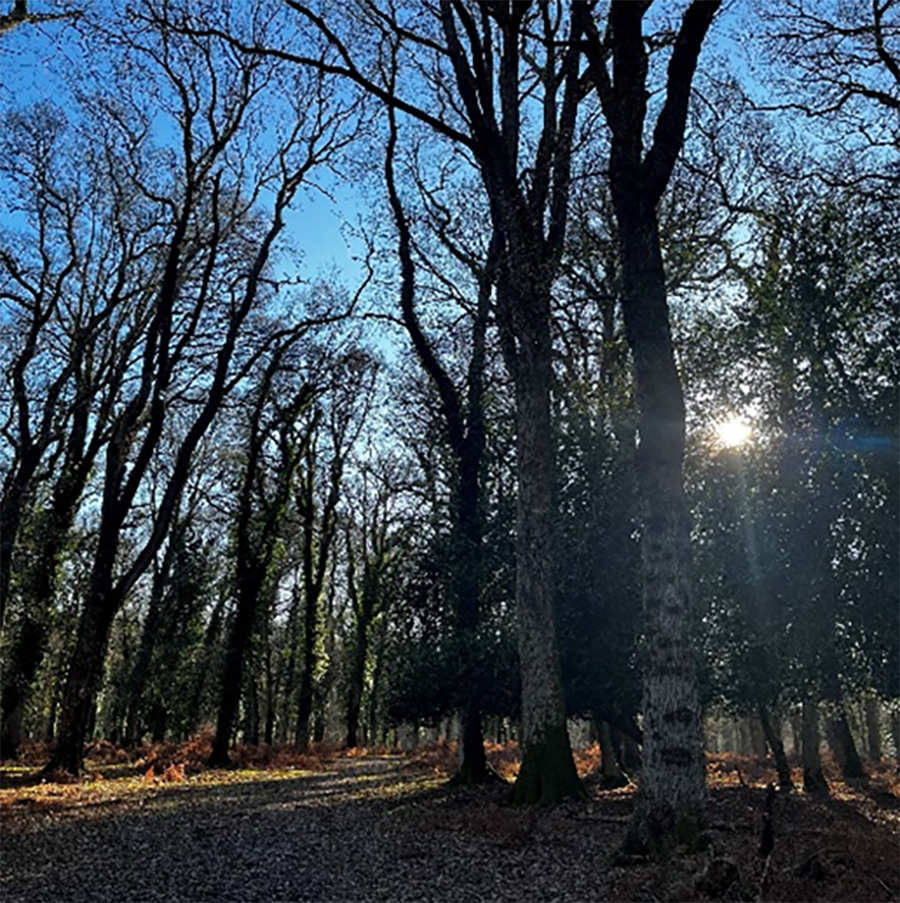
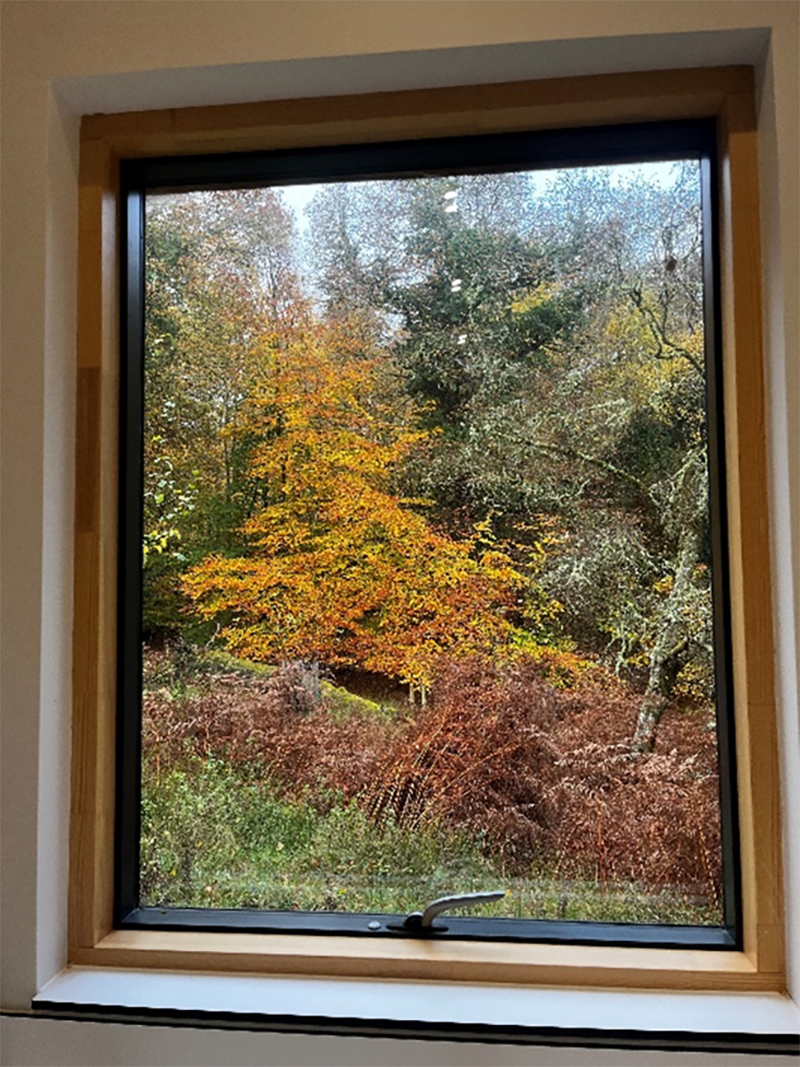
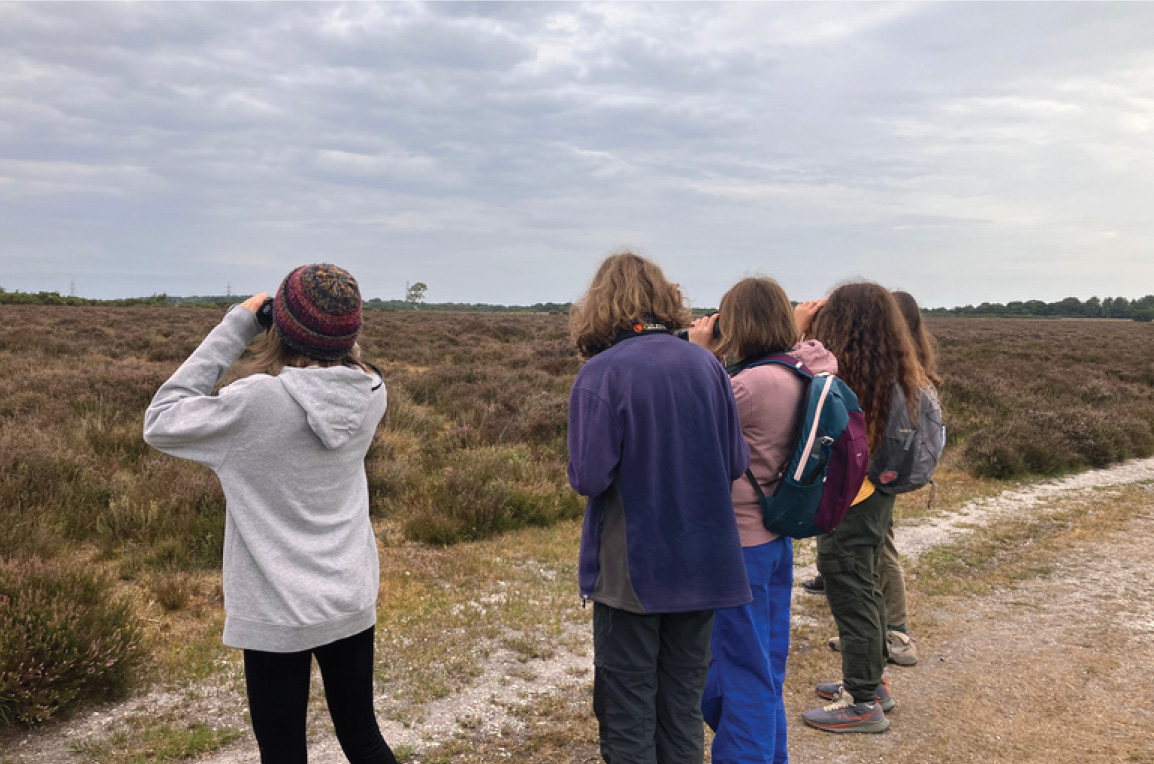
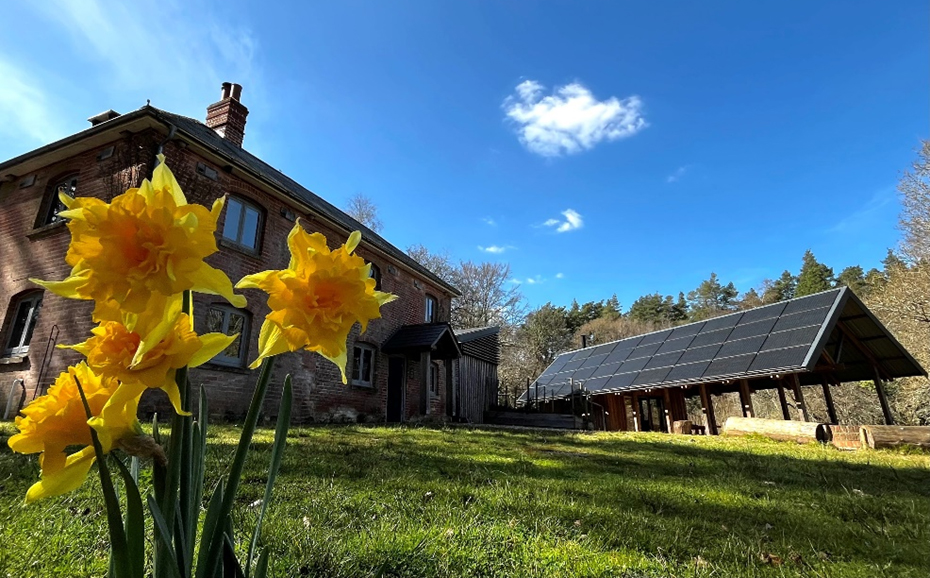
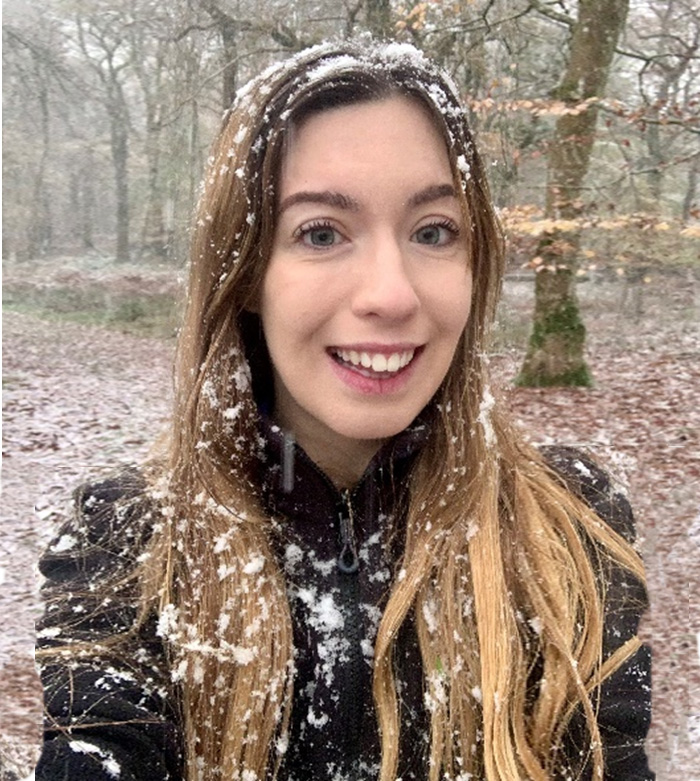
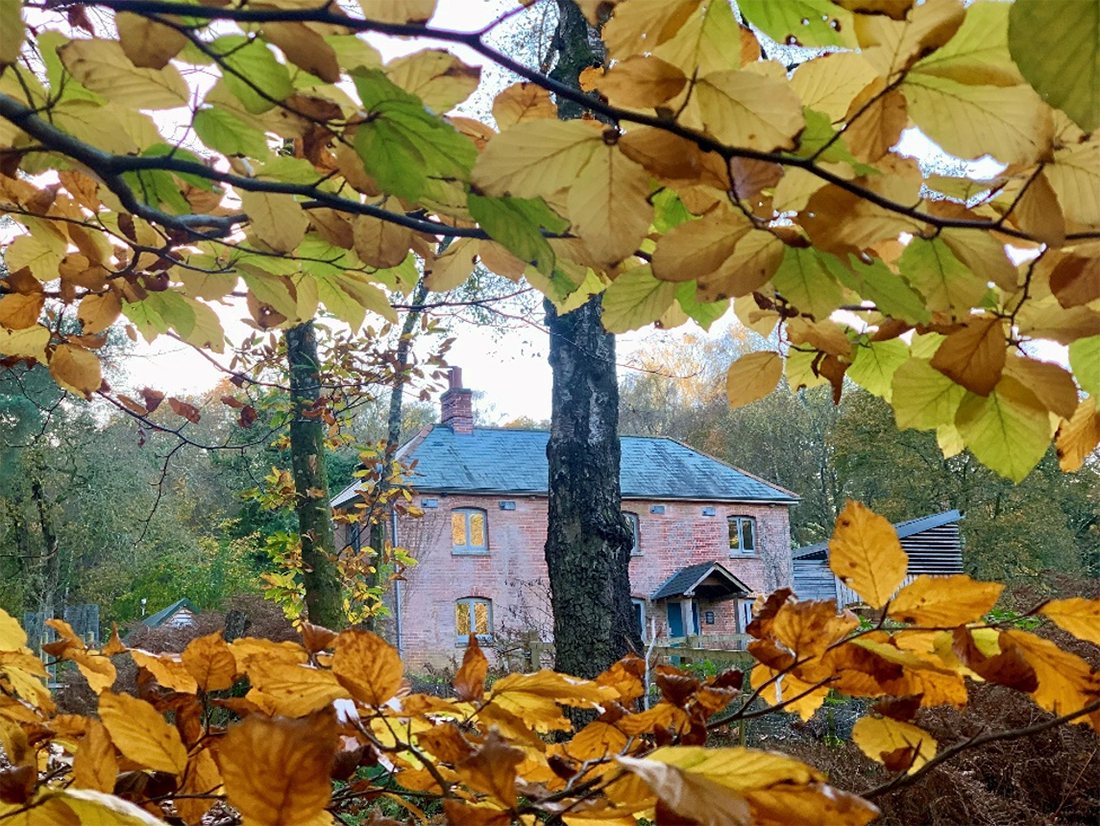
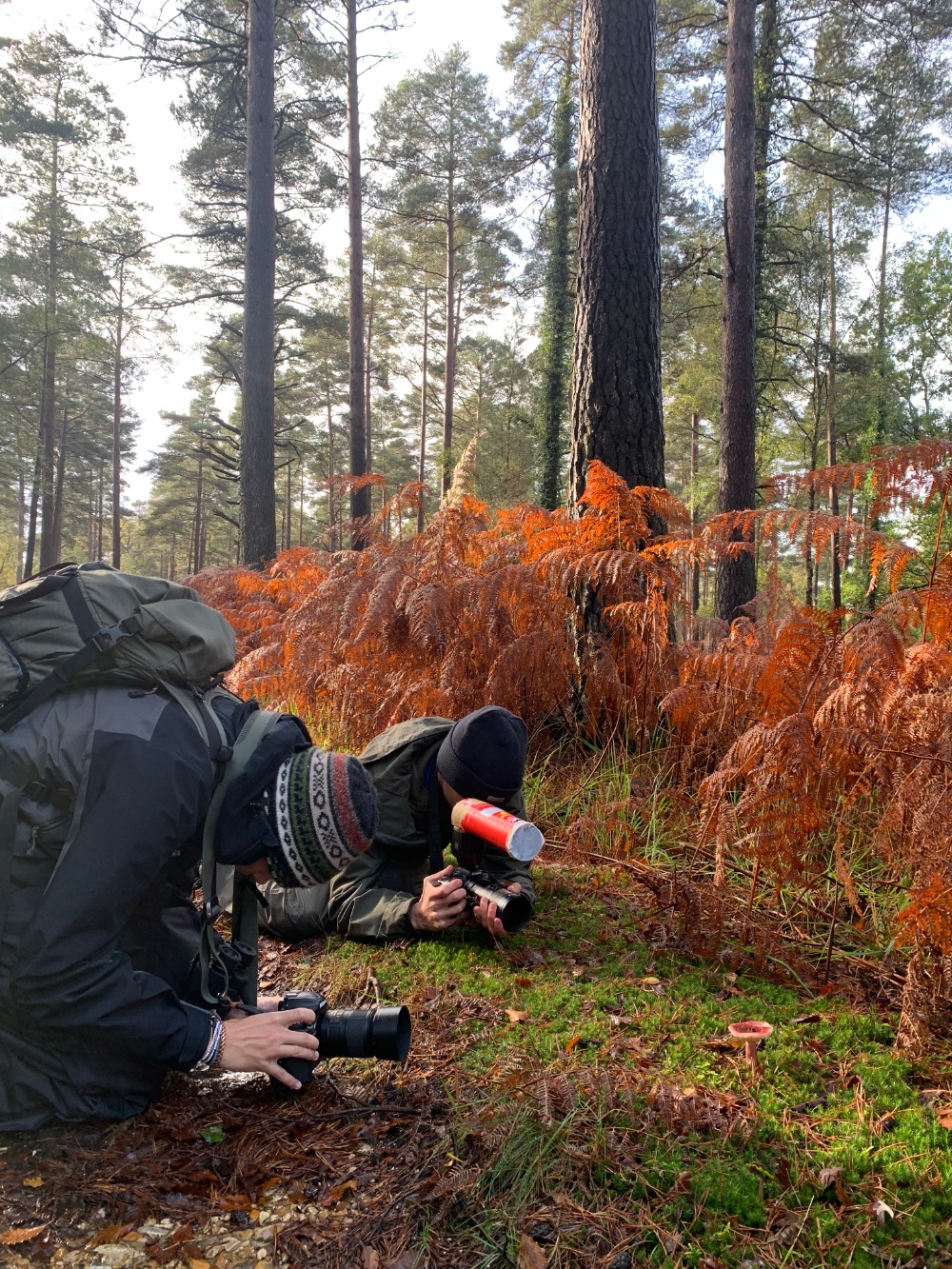
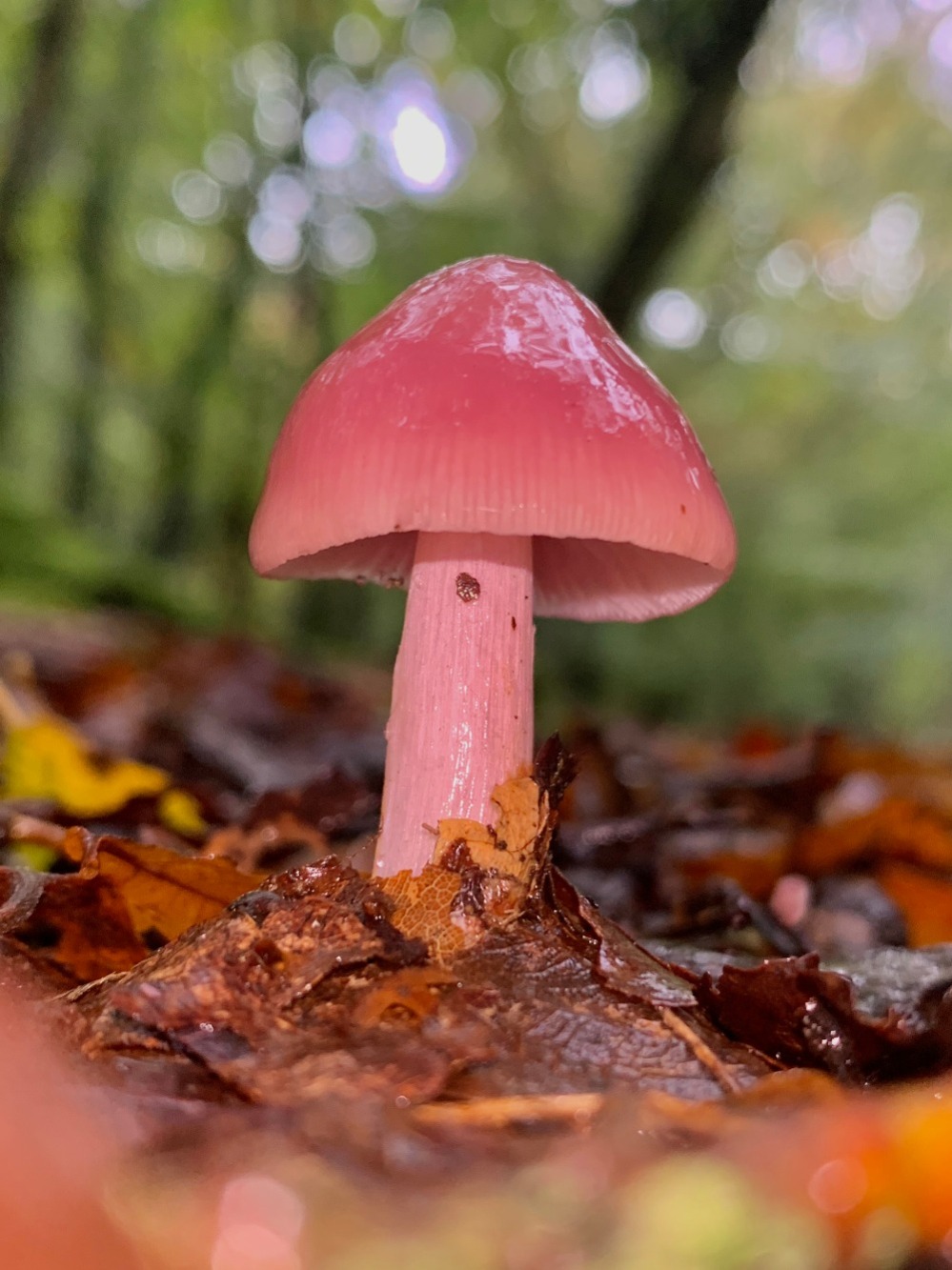
This is a picture I took of the New Forest on the first day of Emily’s and Andrew’s Young People’s Nature Writing Retreat. This annual retreat, enabled by the Cameron Bespolka Trust, is a moment in time and space where you can truly pause. Inside its bubble of belonging, the retreat encourages moments of deep reflection and connection with nature, within which, don’t forget, you are a part. Surrounded by nature experts, captivating storytellers, and enchanting folk singers, it is hard not to leave the retreat feeling hopeful about whose hands the future of our Earth resides. Swapping Coventry’s ring road for Cameron’s Cottage, embedded and embraced by the surrounding New Forest, was the best decision I have ever made.
The retreat began with the first of many talented speakers. Jeni Bell, nature writer and poet, graciously volunteered to ease us into the retreat with a workshop on confidence. We discussed that feeling confident in one’s writing is a particularly hard skill to master. Jeni reminded us that writing is not a talent that some have, and some simply do not. Writing demands you to put the work in. Good writing requires you to be vulnerable and ask your fellow writers for honest feedback. Reflecting on what confidence means in relation to writing brought me to just one conclusion: confidence is an unwavering belief in oneself. It is knowing that you might fail, but alas, you might succeed. Feeling empowered by the vulnerability of myself and those around me, I was ready to embrace what the retreat had in store.
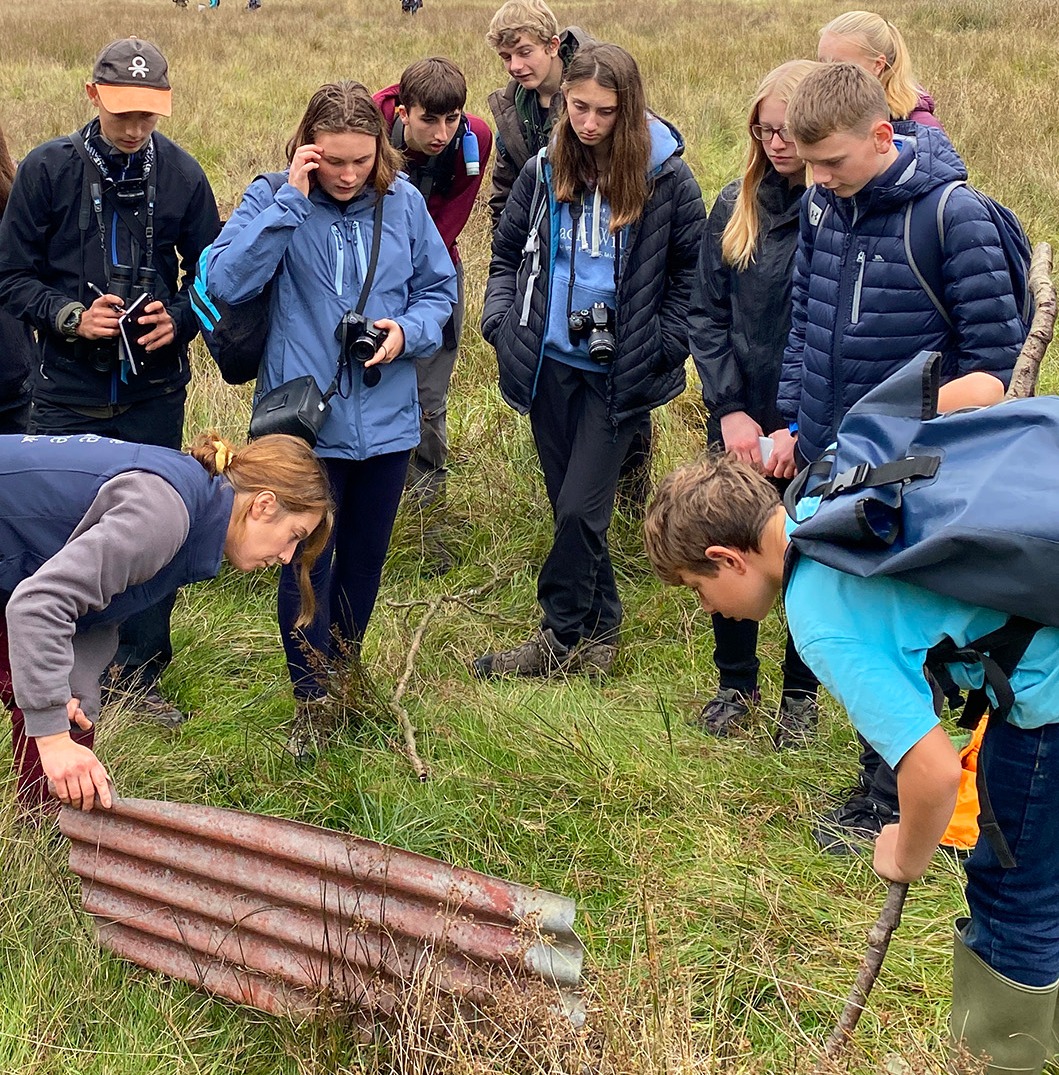
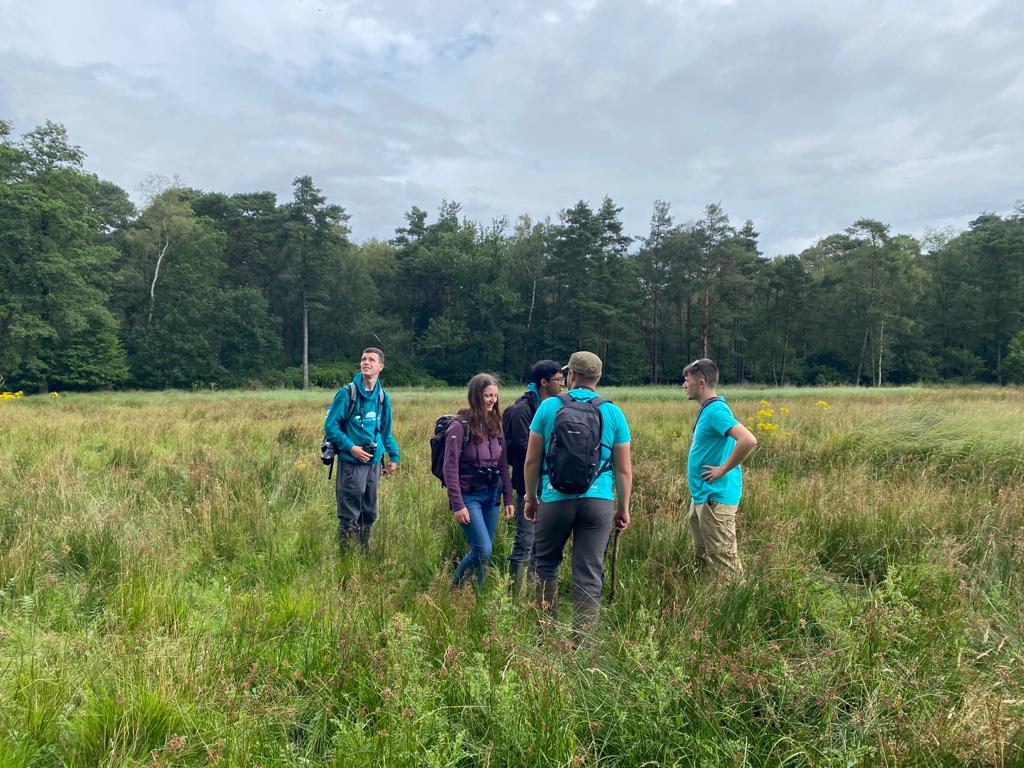
As someone who has only recently begun exploring their connection with nature, this retreat really threw me in at the deep end. Whenever I have connected with nature, it has always been through literature, so the writing part of this retreat was familiar territory. I knew where I stood, and I felt pretty confident putting pen to paper. What did catch me off guard, however, was discovering a microcosm of nature fanatics existing right under my nose. I was surrounded by an inspiring group of young nature activists, each with specific expertise, and all with a roaring passion to protect the natural world.
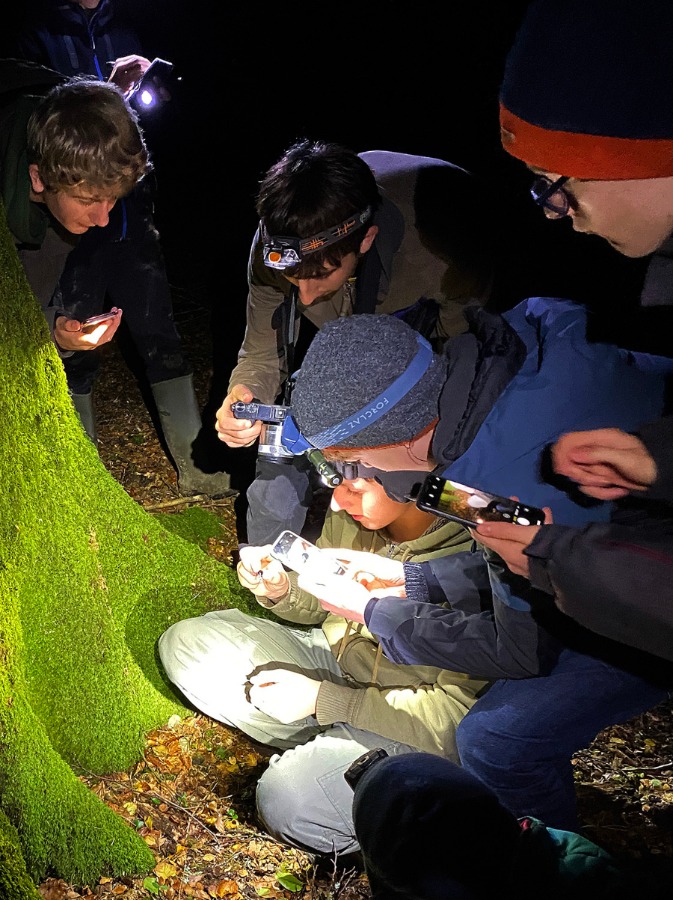
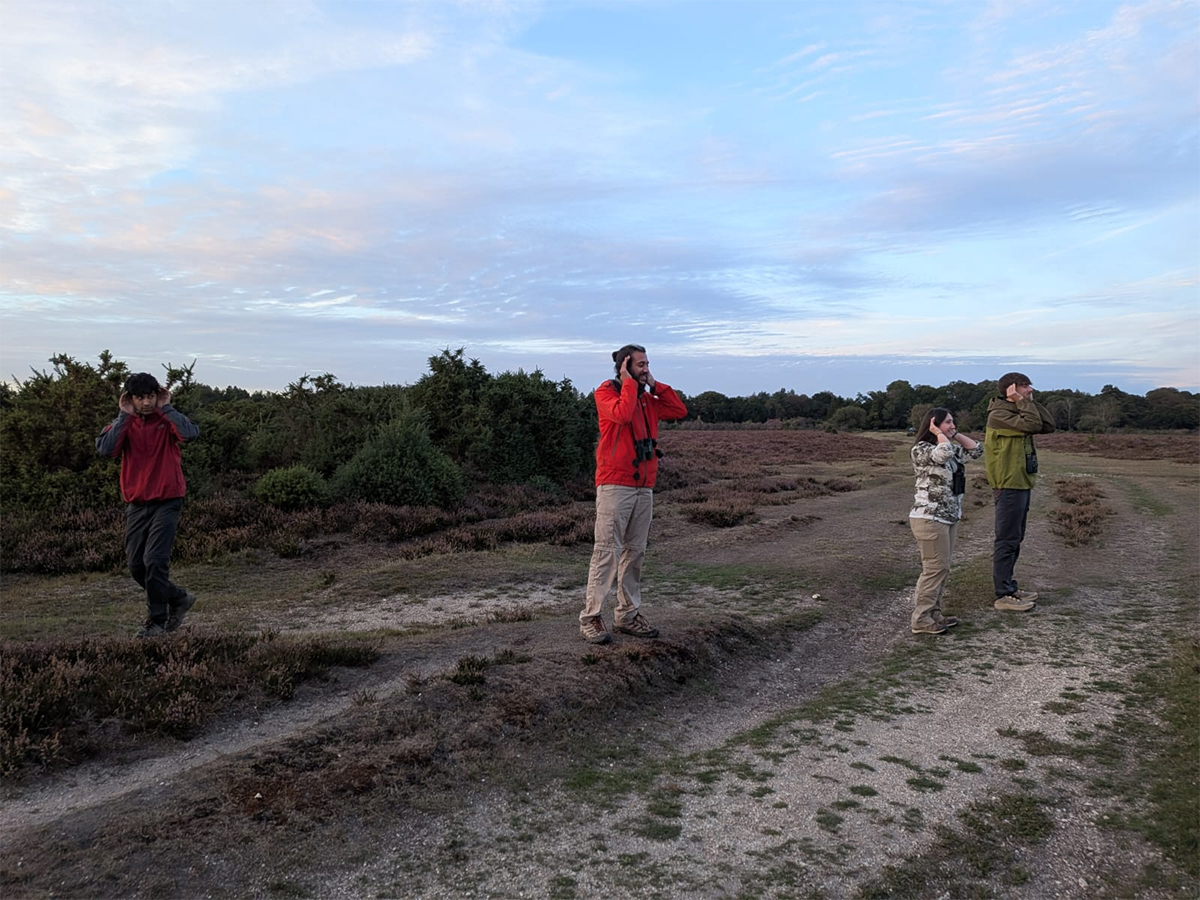
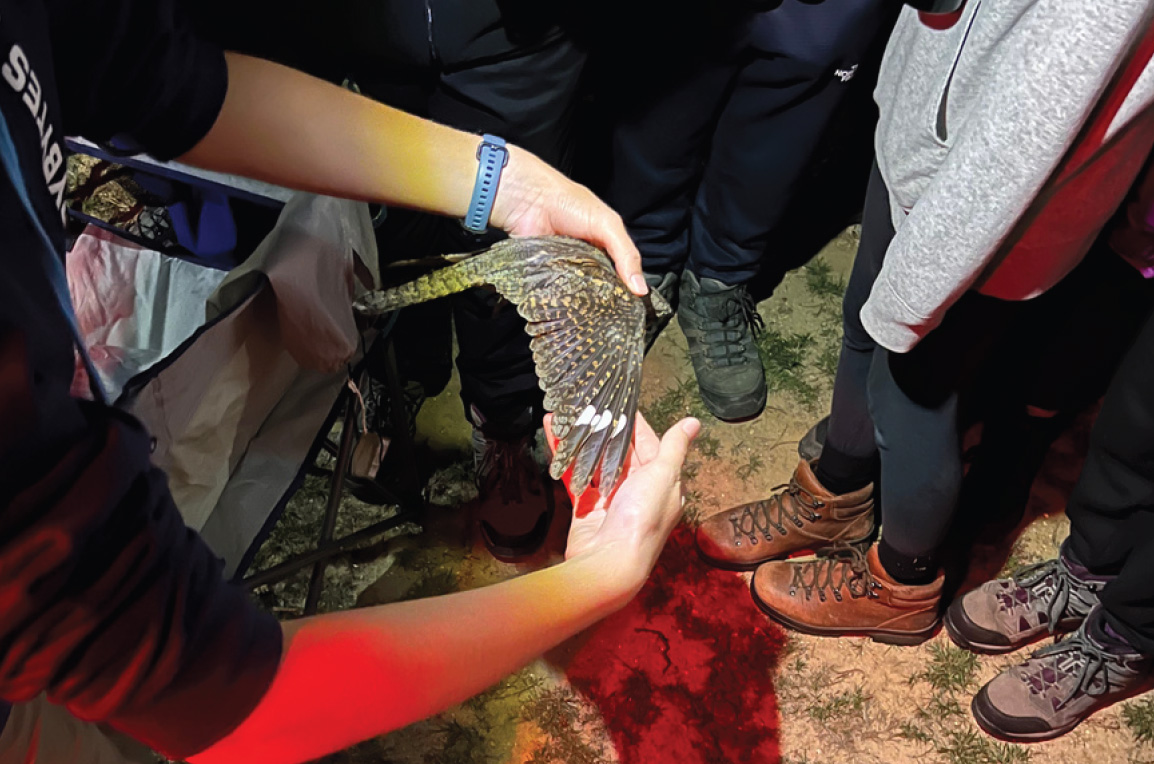
This discovery, hands down, was my favourite part of the retreat. Surrounded by a small group of immeasurably intelligent individuals, all moving through the world with a deeply grounded connection to nature, I had no choice but to absorb as much of their knowledge as humanly possible. “What plant is that?” - almost certainly it would just be another fern. “What bird is that?” – fortunately, I did not ask this question when we were purposefully out looking for nightjars. And, perhaps most frequently, “How do you know all this stuff?!”. I found myself in a permanent state of astonishment whenever I spoke to my new friends.
Whenever I have connected with nature, it has always been through literature, so the writing part of this retreat was familiar territory... what did catch me off guard was discovering a microcosm of nature fanatics existing right under my nose
Whilst at first I was intimidated to be surrounded by young people with more knowledge of moth species, bird migration habits, and invasive plant species than I could ever hope to possess about Shakespeare after a four-year literature degree, I was quickly put at ease by their willingness to share their knowledge. They did not find my questions annoying, nor my ignorance frustrating; they all simply wanted to share their passion for the natural world. For are we not part of that too?
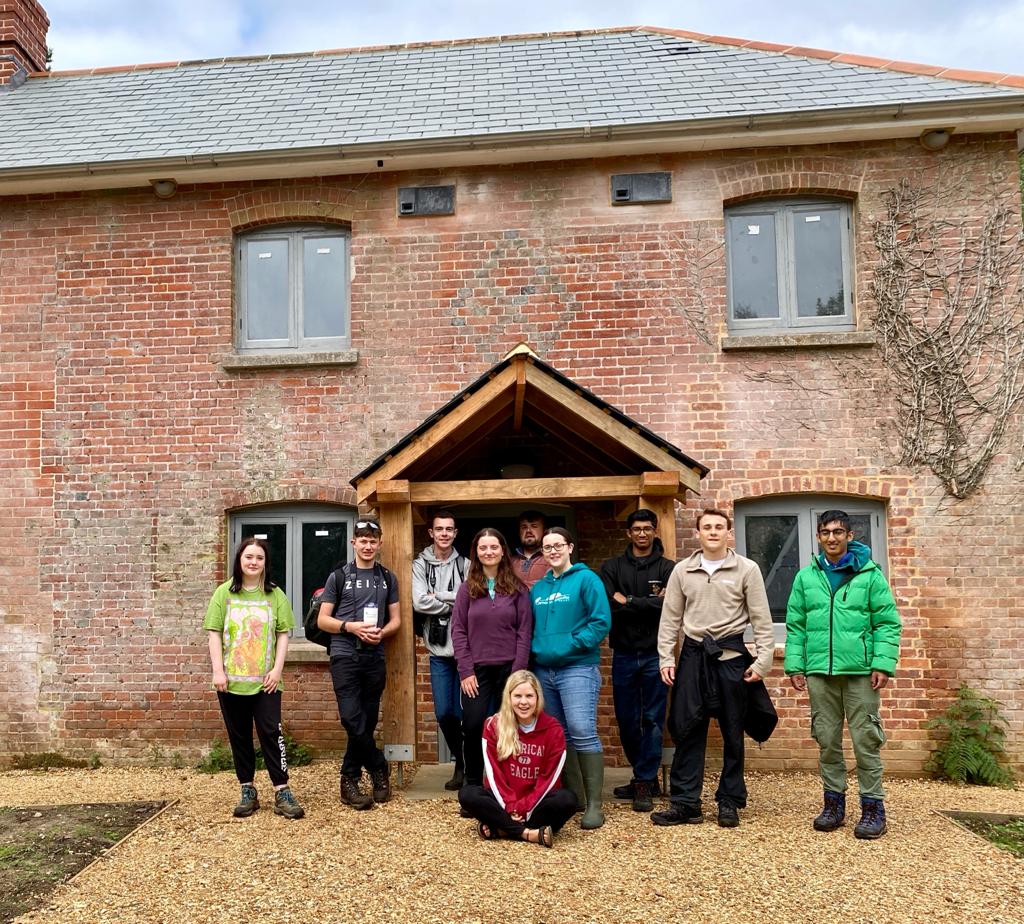
When I asked my new friends to reflect on the weekend, they too spoke fondly of the connections we had formed with one another, as well as with the natural world around us. Amy Squire is one of the youngest who attended the retreat. For what she lacks in age is made up, and then some, by her remarkable intelligence. She is an absolute powerhouse of knowledge. Her reflection of the weekend speaks to a profound sense of belonging, something that was fostered throughout the retreat. She captures a journey shared by all of us: arriving as strangers and leaving connected to “people who I now know not to be strangers but people more like me than I expected. The camp brought together its own biodiversity of people” (Amy Squire). Indeed, Cameron’s Cottage is a biodiverse base where young naturalists pour their hearts and minds into cultivating hope for the future of our planet.
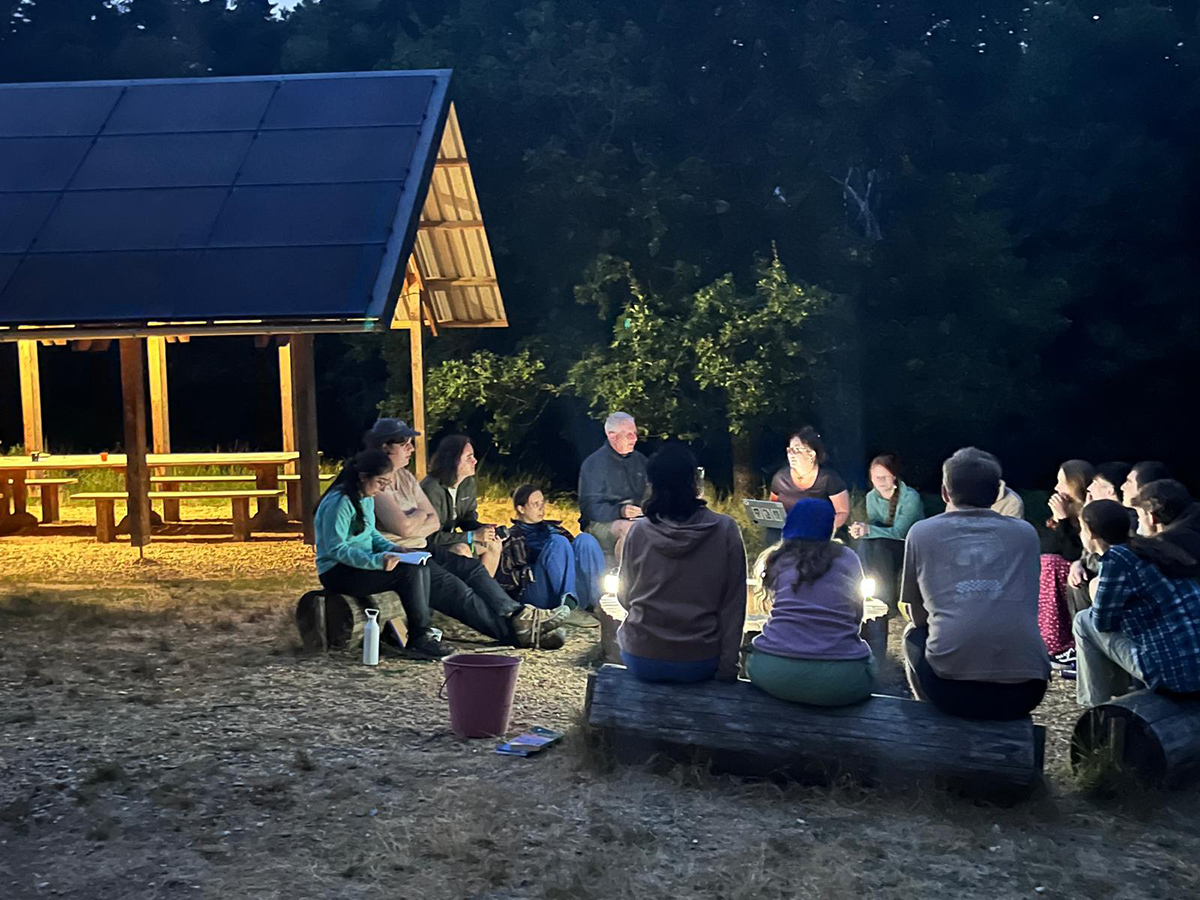
I had spent the entire first day of the retreat thinking I was the only person there from an urban area in the West Midlands. I wasn’t particularly downhearted about it, but don’t we all enjoy a little regional pride? So, you can imagine my elation when, shamelessly eavesdropping on a conversation beside me, I heard someone mention that they had come from Walsall. Walsall! Naturally, I immediately interrupted to find out more. This individual is Ramandeep Nijjar. Raman is involved in absolutely everything. Her name and voice are well known across the nature and youth voice spheres, a testament to her tireless activism and unwavering passion in elevating young voices. Selfless by nature, Raman is constantly sharing opportunities for young people on her platforms to encourage their involvement in creating change. She truly never stops. Despite being extremely knowledgeable and a force to be reckoned with, Raman mentioned during the retreat that she lacked confidence in her nature writing. In many ways, the retreat directly challenged that insecurity. Reflecting on her experience, she describes how it “left me with so much inspiration, new thoughts, and more confidence in my voice” (Ramandeep Nijjar). I think this sentiment was shared by everyone involved; we all left the retreat with a renewed sense of inspiration and confidence in our own voices. Enveloped in towering oaks and singing blackbirds, it was the perfect environment to begin exploring what nature writing looked like for each of us.
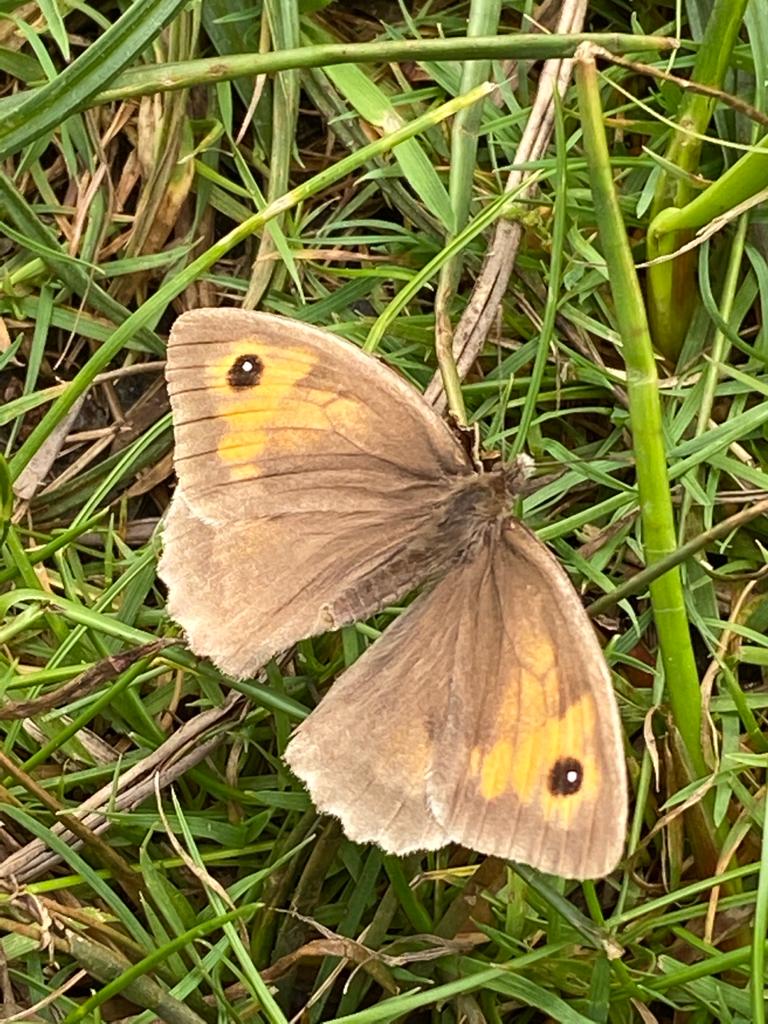
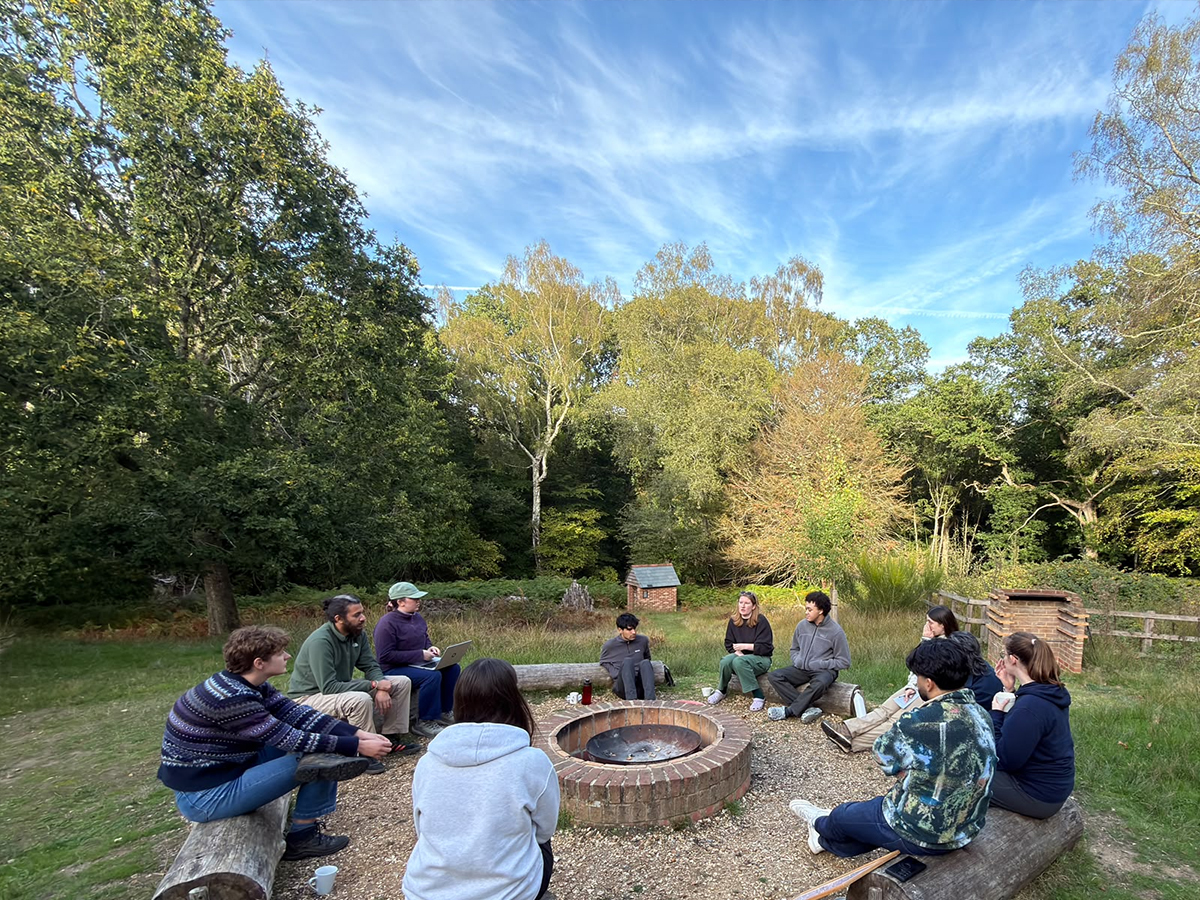
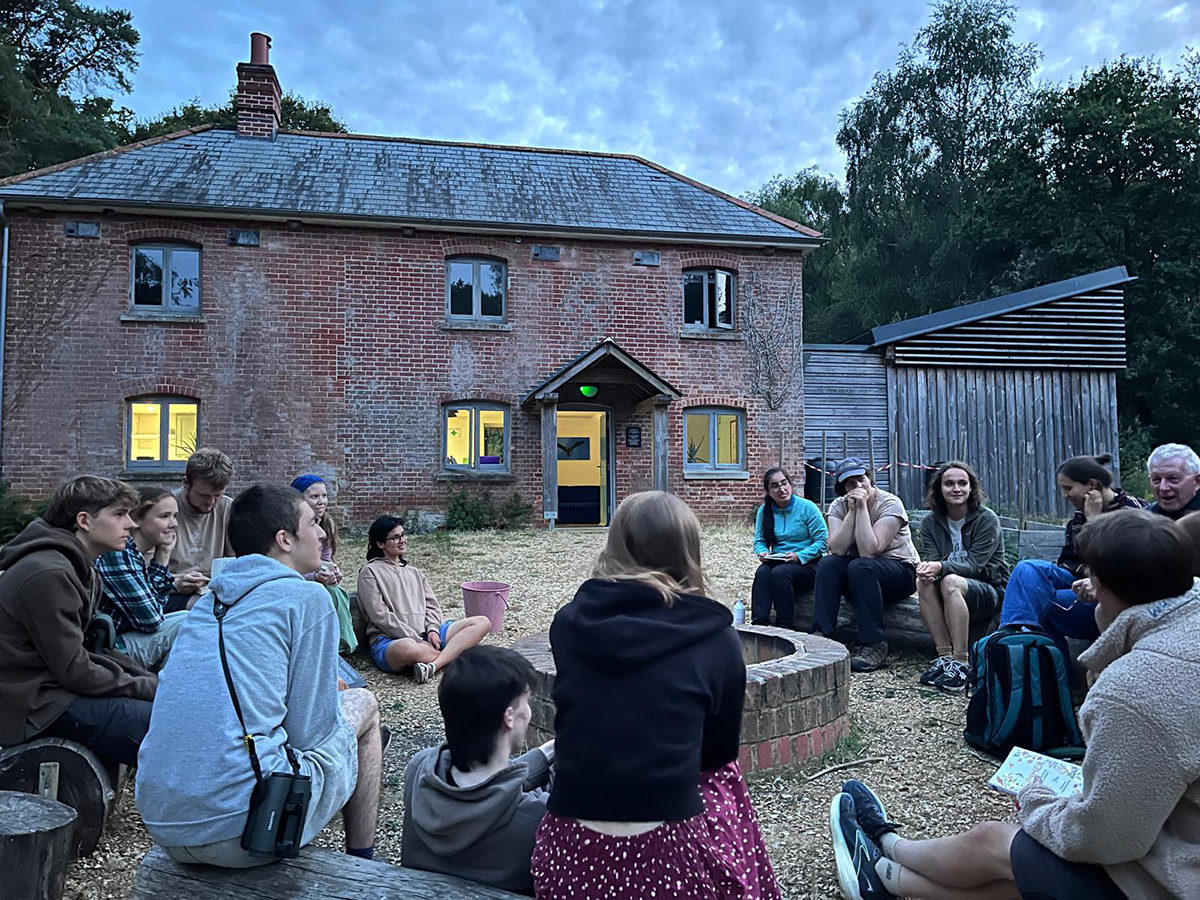
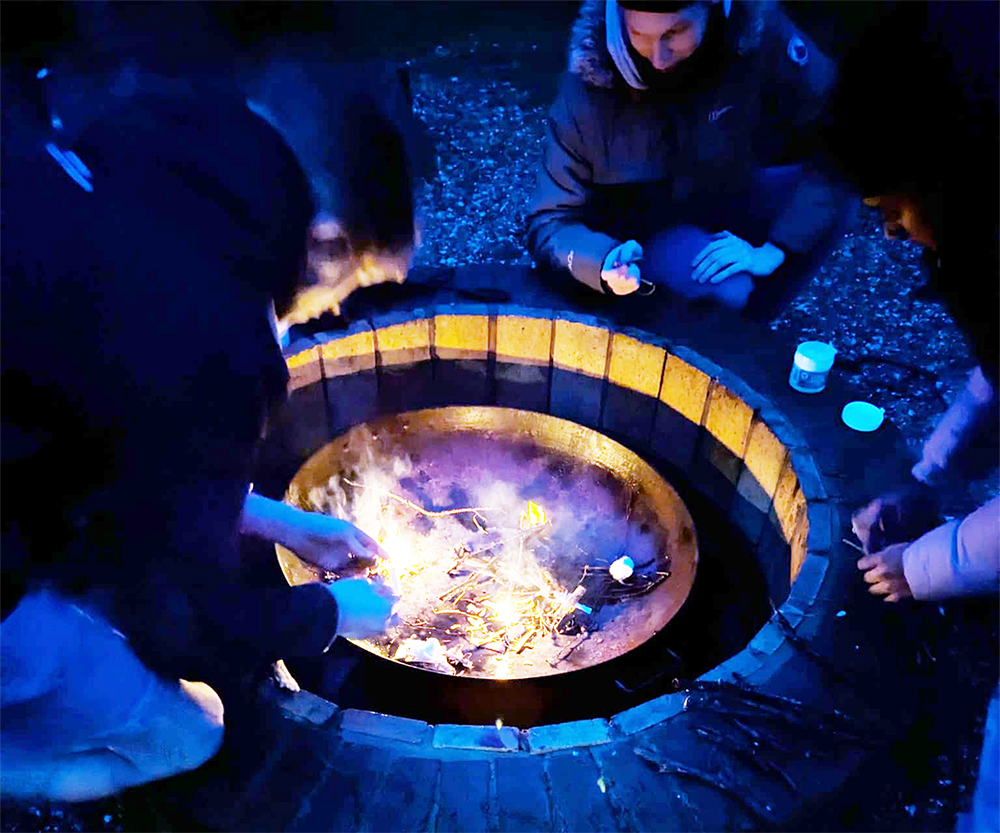
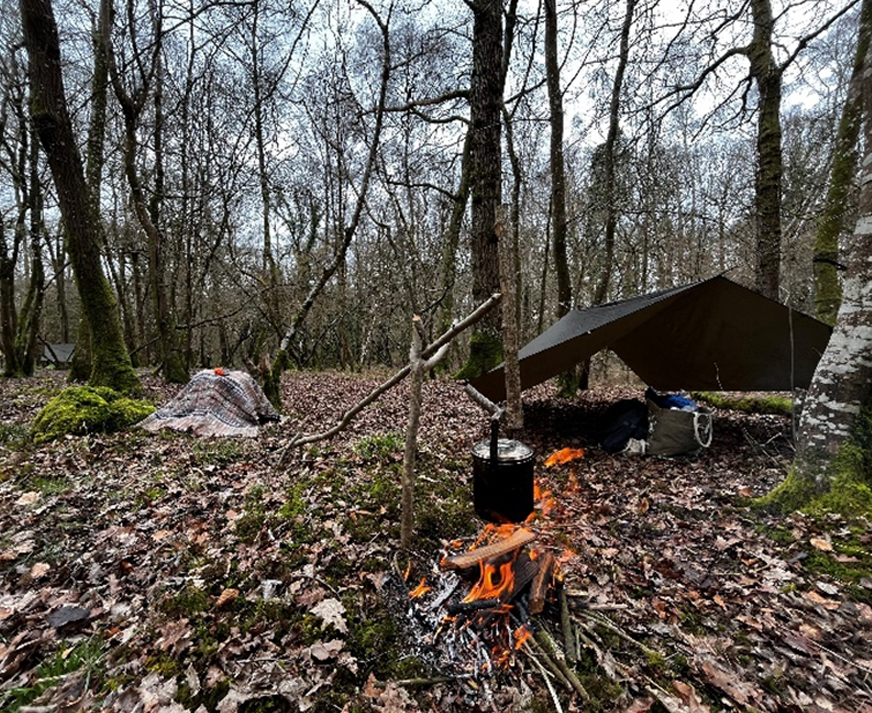
One evening, whilst sitting around the camp (no) fire one evening, fires being prohibited due to the increased risk of wildfires, I shared the origin of my butterfly phobia. Following a traumatic trip to the Butterfly Farm at around seven years old, I have regarded the butterfly as a master manipulator ever since. Where others see the beauty of its colourful wings, I see the thick, hairy abdomen lurking beneath, and those fly-like, predatory eyes. Absolutely firm in my sixteen-year belief that butterflies are evil and deceitful, I did not anticipate that a young entomologist would dismantle it in the space of about two hours.
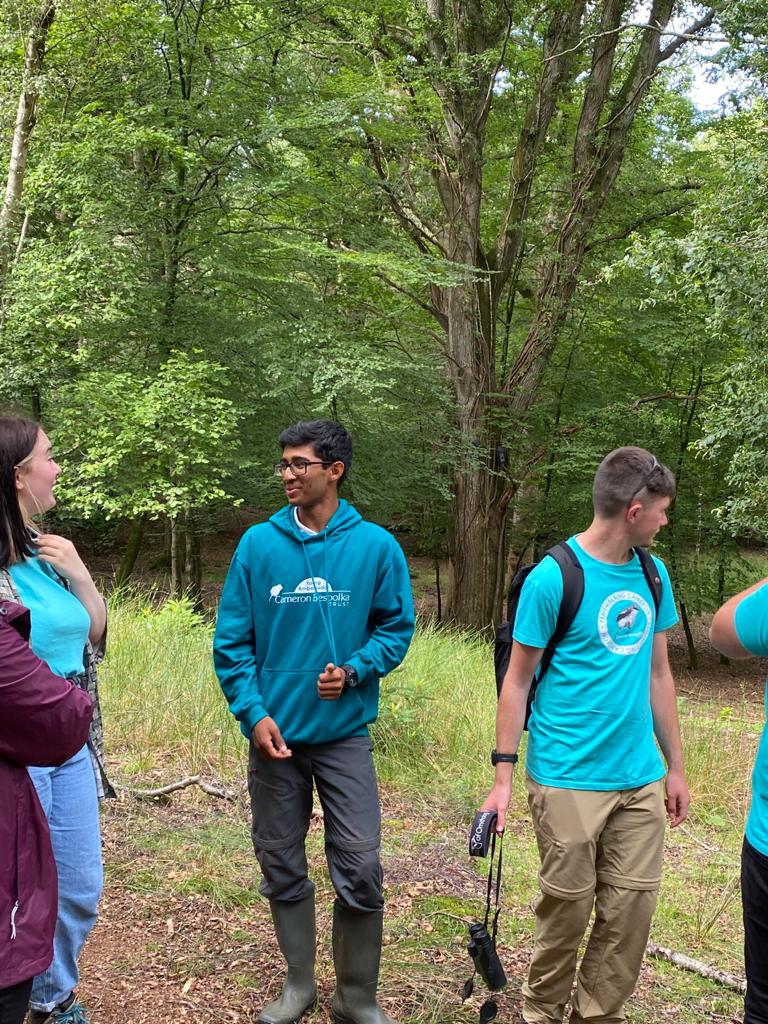
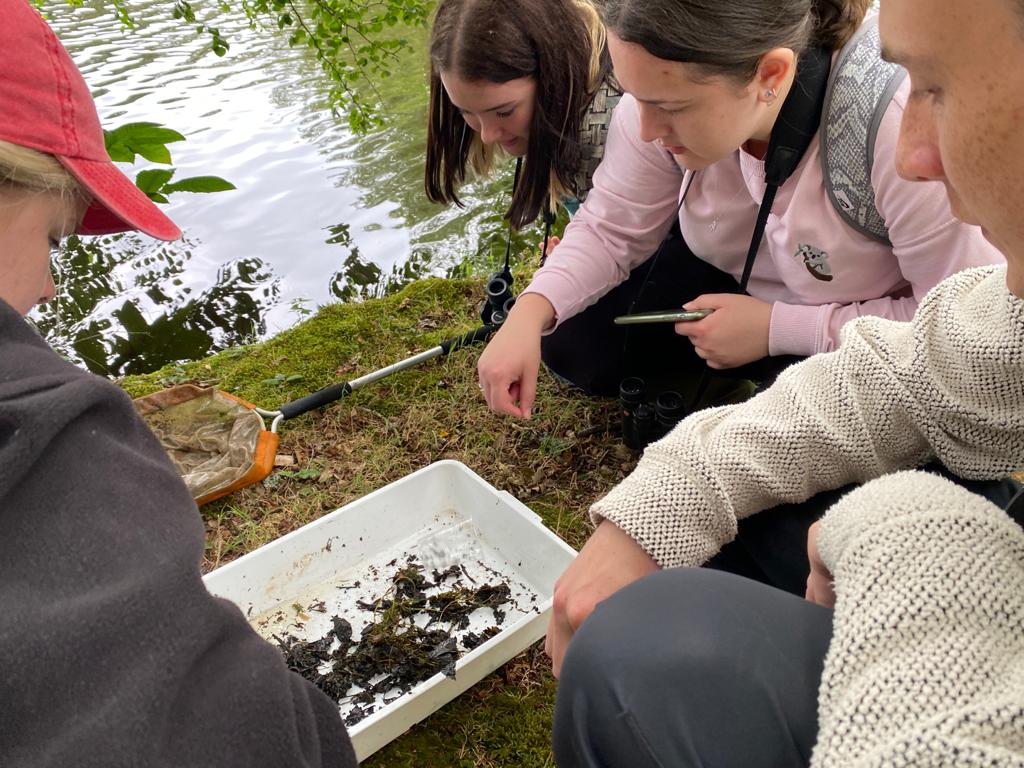
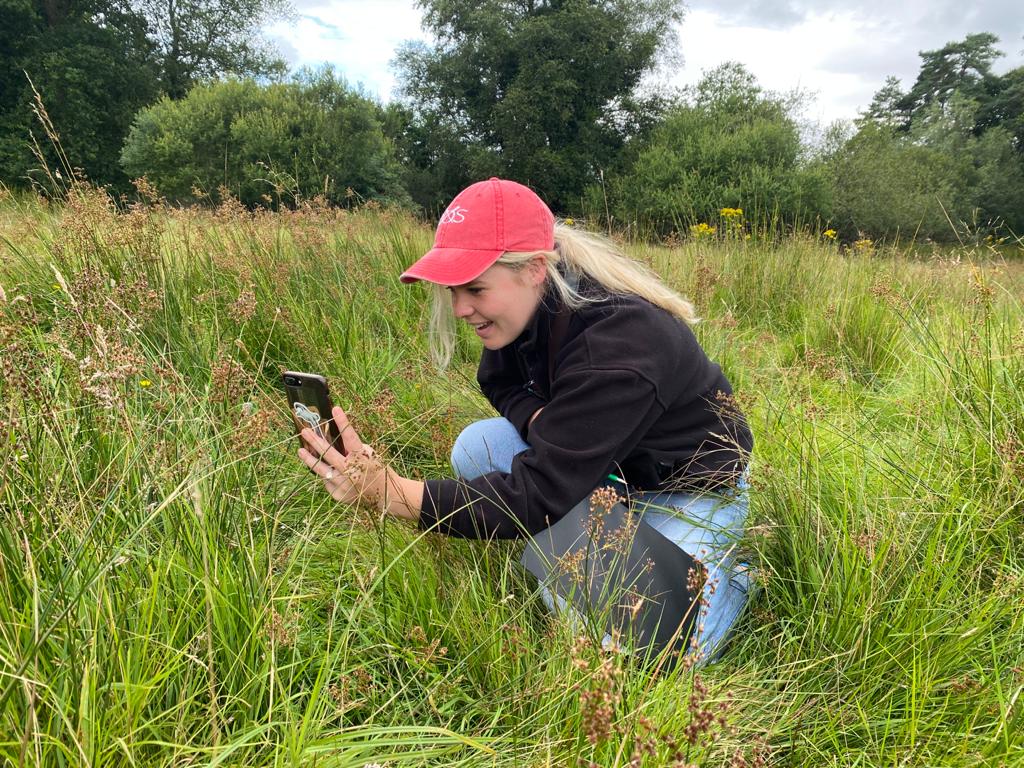
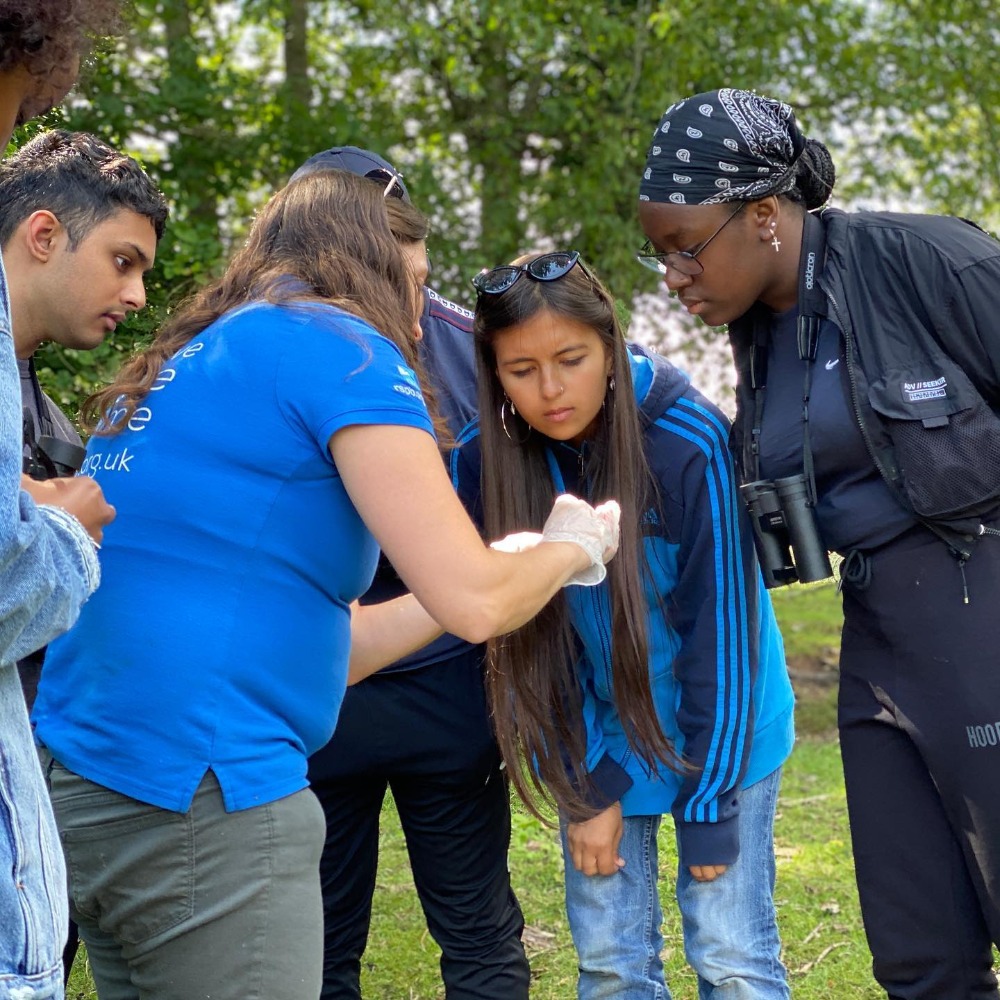
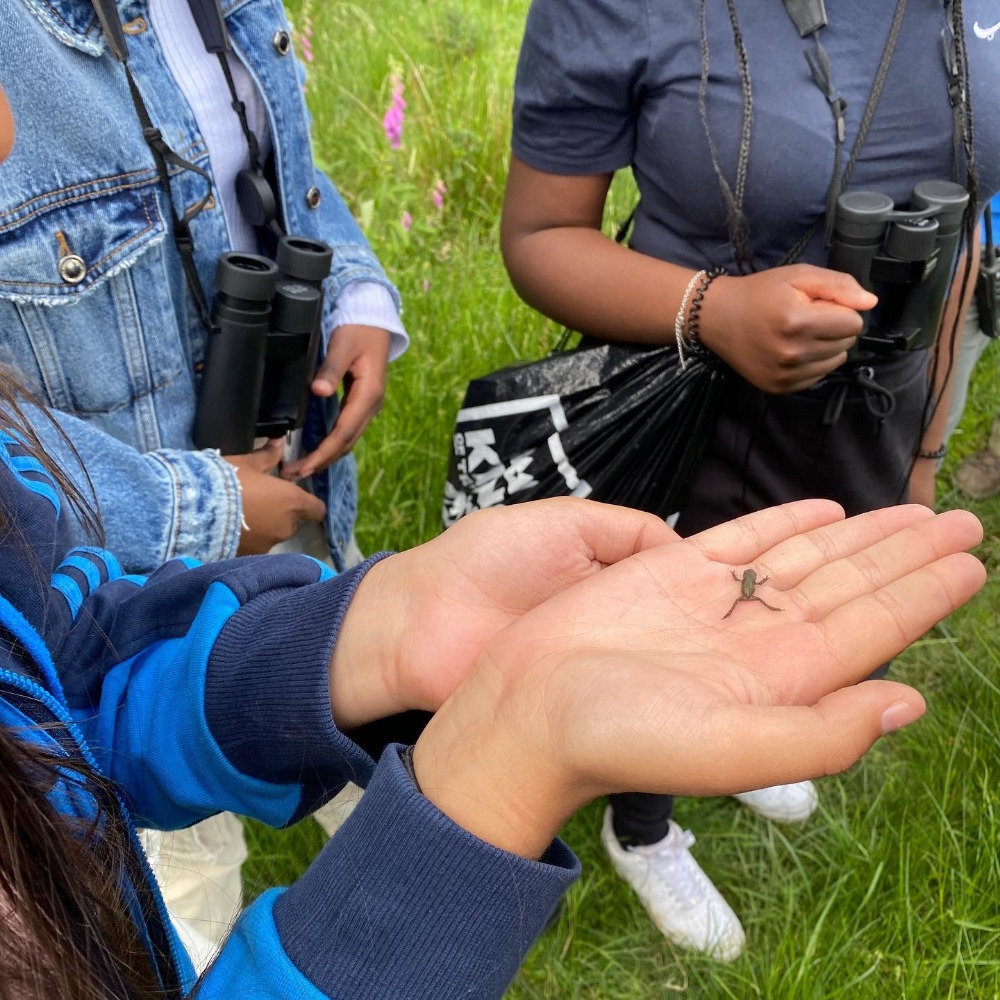
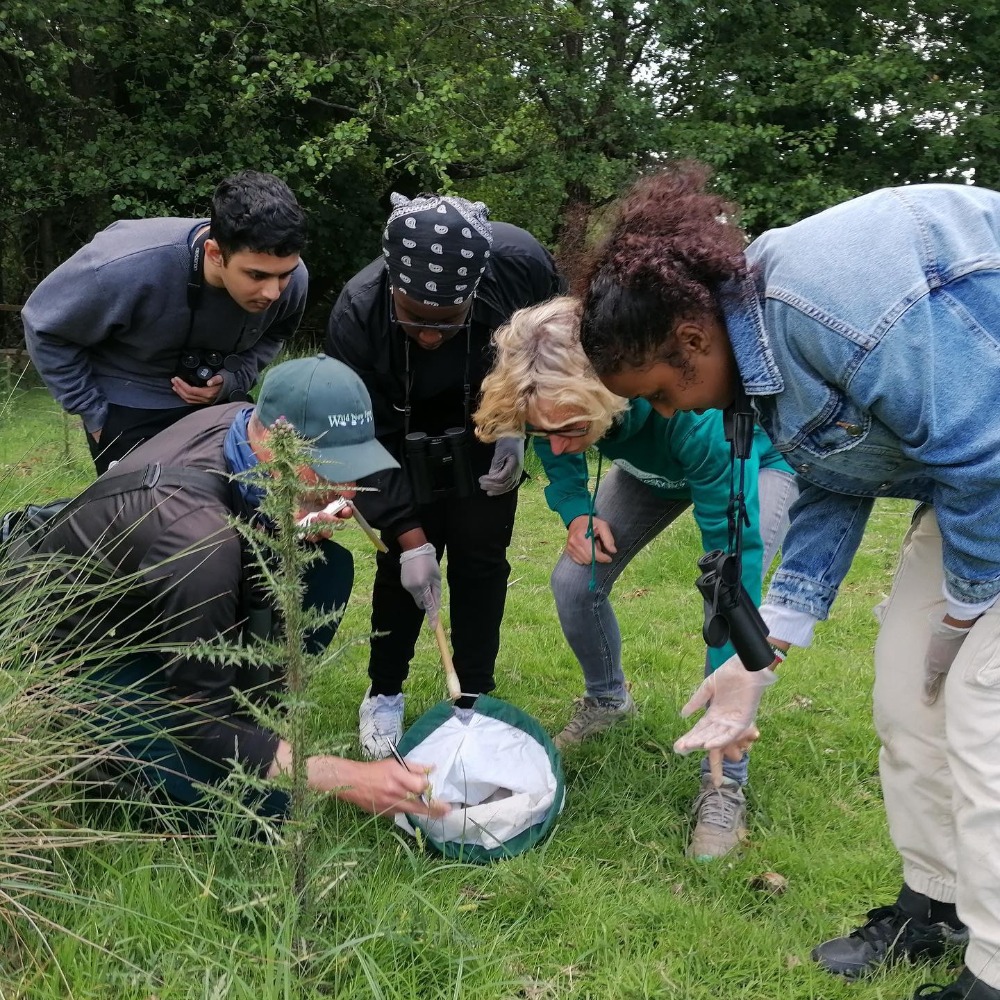
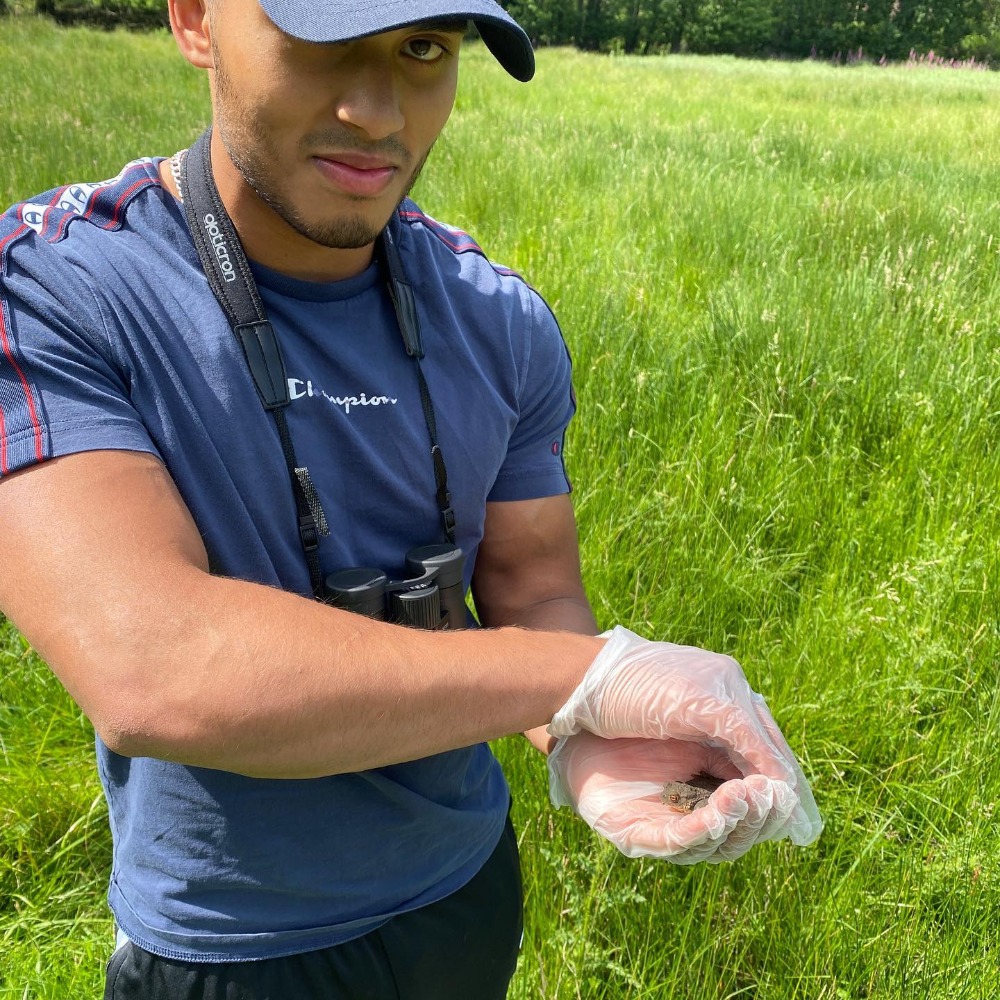
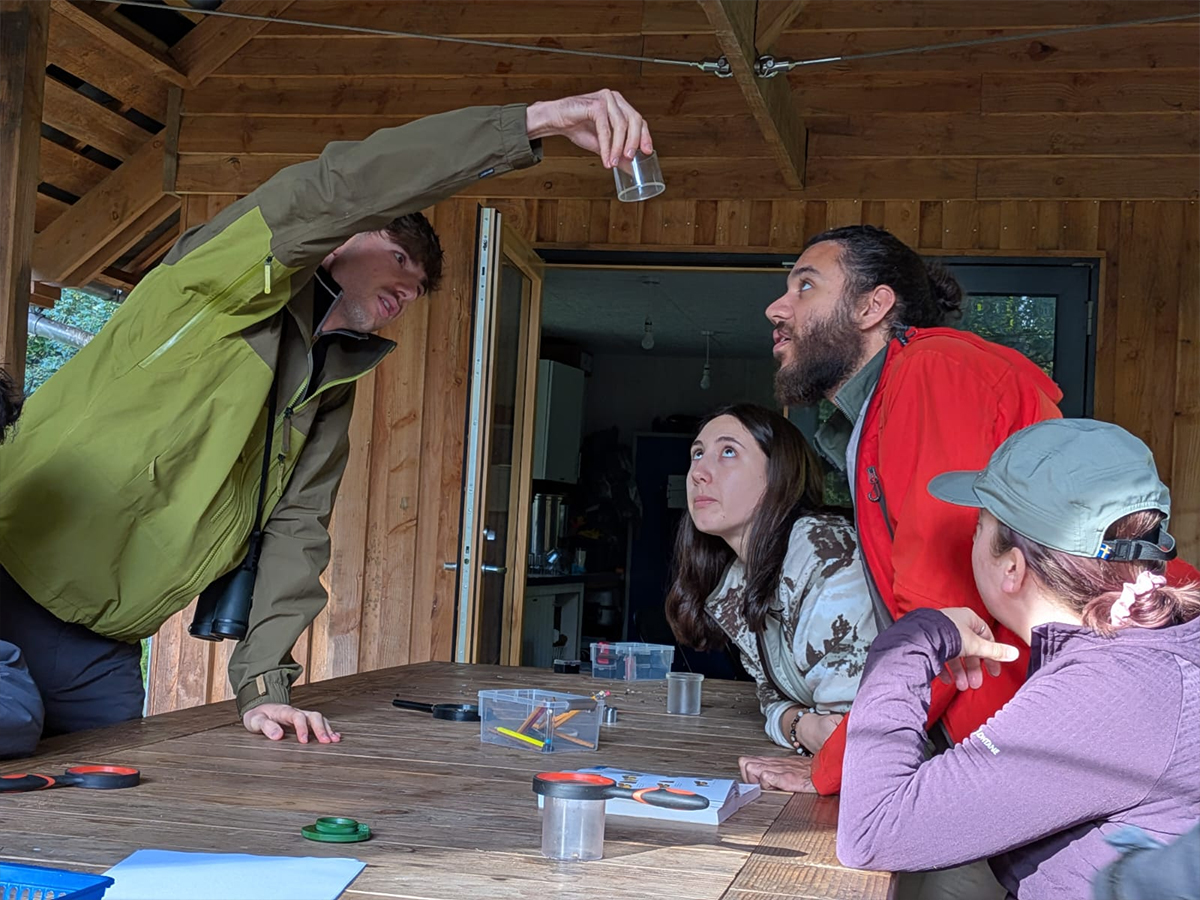
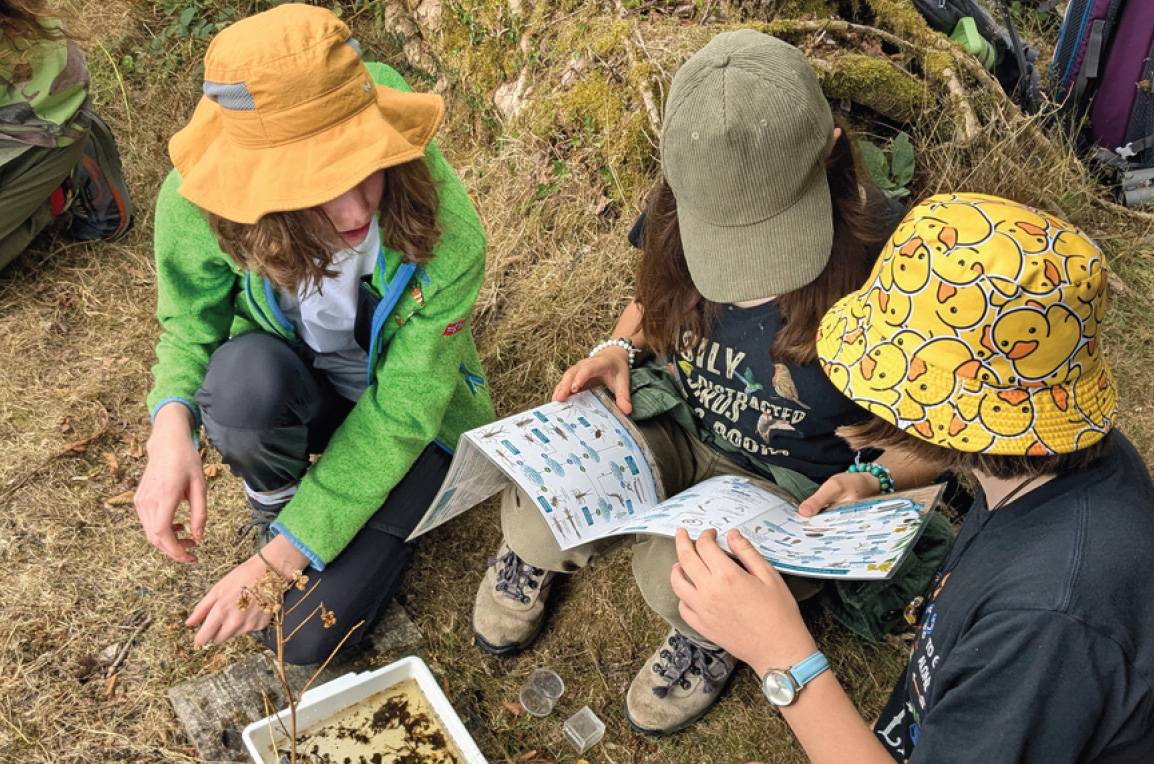
Riley Woodhouse is a biology student and insect expert. His ability to distinguish between even the subtlest differences in insect species is remarkable. Accompanying him on the retreat’s bioblitz was, firstly, incredibly educational, and secondly, an unexpected form of extreme exposure therapy. I got up close and personal with ants, beetles, and spiders, and watched the fluttering movements of dragonflies and yes, butterflies. I was encouraged by Riley, whether he is aware of this or not, to perceive these tiny creatures as fascinating and beautiful in their very own way. From this moment, my butterfly hatred began a metamorphosis of its very own.
For Riley, the retreat was defined by new friendships, growing self-confidence, and a wonderfully eclectic mix of activities. Riley summarised the experience as:
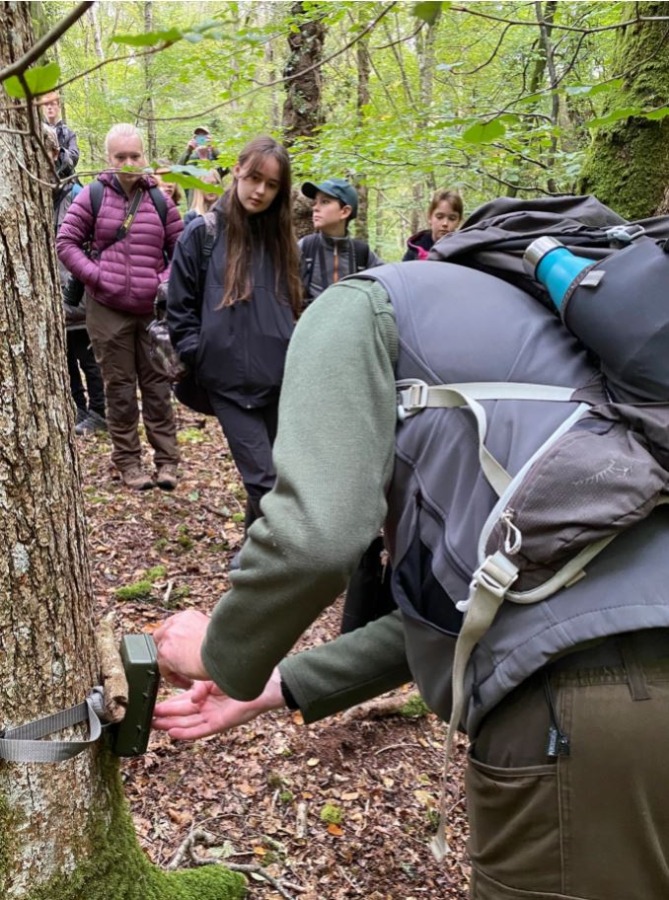
“a perfect mix of an educational masterclass, and the most heartwarming holiday I never planned. From playing bird bingo with people you felt like you’d known your whole life, to brushing your teeth alongside your new best friend, the retreat brought together the best people and brought out the best in myself. Whether we were bat-detecting, bioblitzing, or writing about the magic of the forest, I always had a smile on my face” (Riley Woodhouse).
I arrived at Cameron’s Cottage feeling somewhat disconnected from the natural world, and left feeling deeply entangled within it.
Riley’s appreciation for the combination of education and connection is exactly what is so unique about this retreat. Connections forged through fireside readings, folk music, and morning breakfast were only enabled through our shared love for learning. Emily and Andrew mapped out activities dedicated to enhancing our knowledge of the natural world and, in turn, our friendships naturally formed. We were given the rare opportunity to speak to and get advice from authors of award-winning nature literature, young filmmakers, storytellers, and creatives, all of whom volunteered their time out of pure belief in young people creating change. I don’t think anyone left the retreat without having formed a new neuron or two.
I arrived at Cameron’s Cottage feeling somewhat disconnected from the natural world, and left feeling deeply entangled within it. This entanglement, which I first understood through the hidden mycorrhizal networks beneath our feet, became something I experienced for myself. In the connections forged with my peers, I began to recognise my own place within the natural world: not as an observer looking in, but as one small part of a much larger network. Through them, I uncovered a new fascination with the plants I had previously brushed past on walks; I discovered that hearing folk music at dusk could make my soul feel as though it had been waiting a very long time to hear those stories again; and, most unexpectedly, I discovered that my sixteen-year hatred of butterflies was not quite as immovable as I had thought.



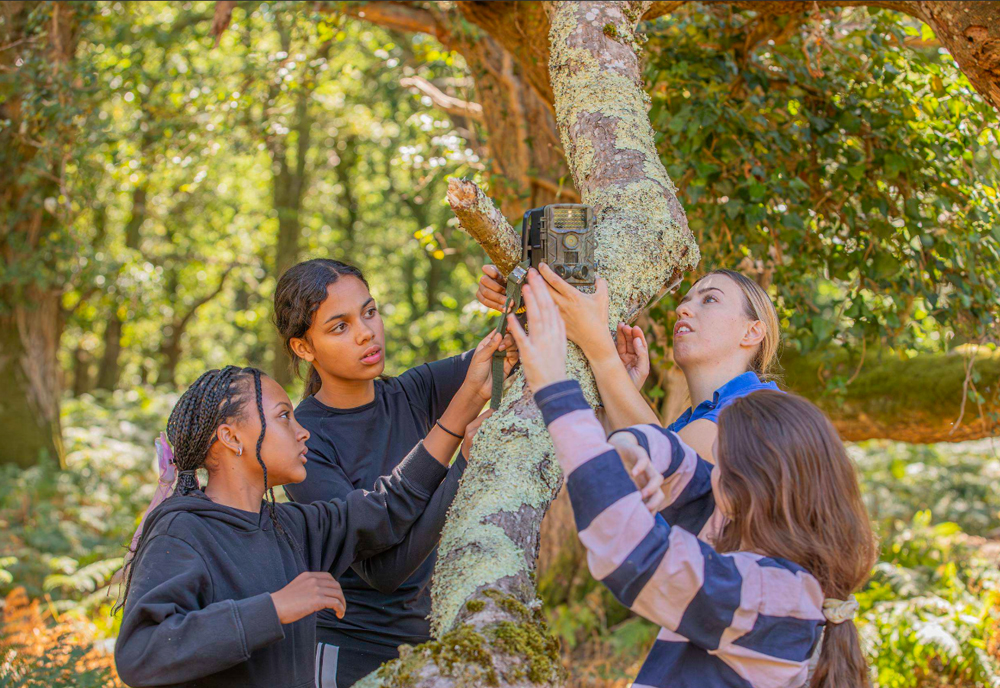
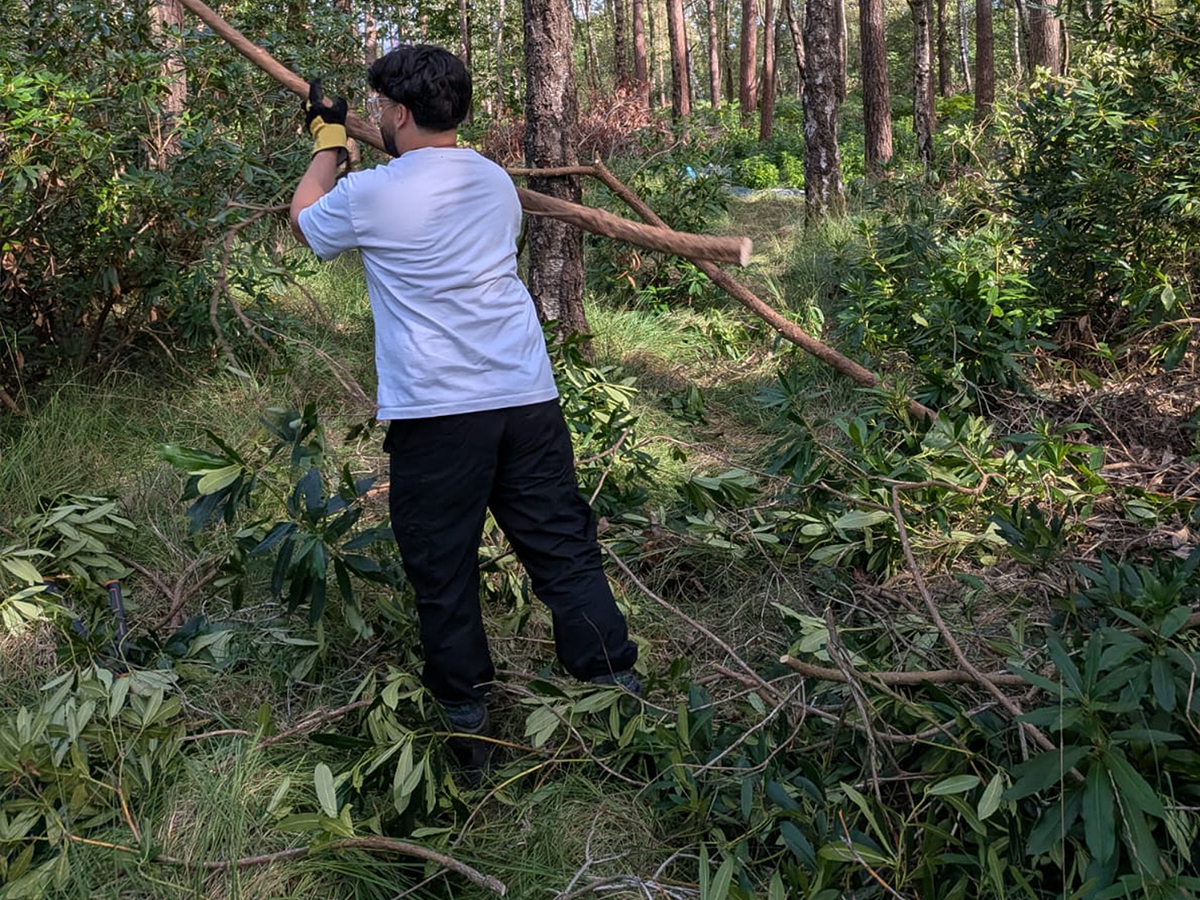
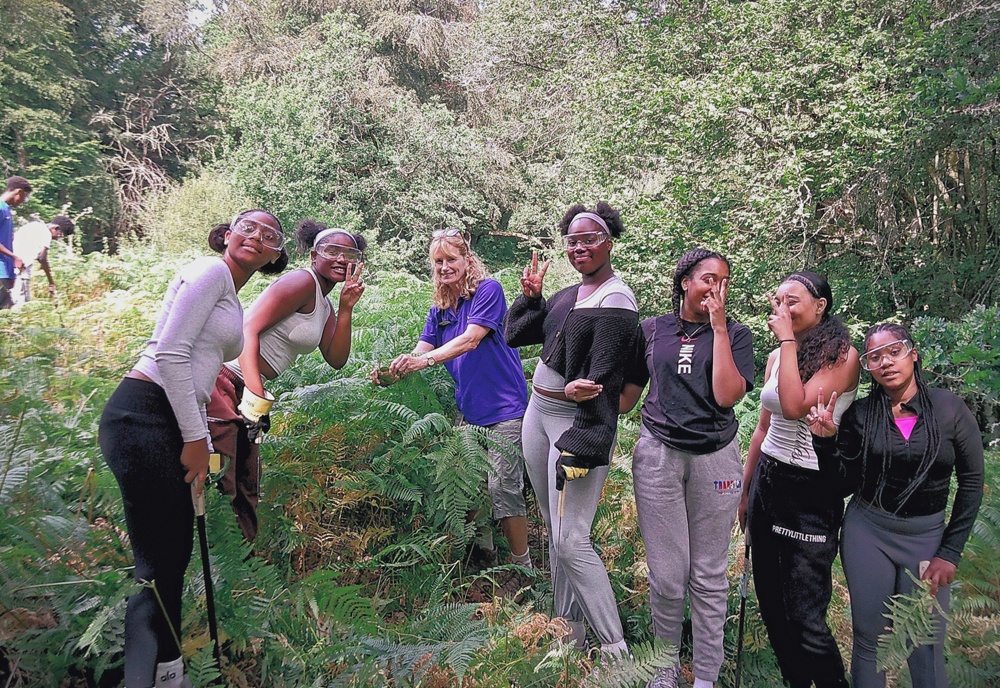 Young People take part in environmental conservation through bracken bashing
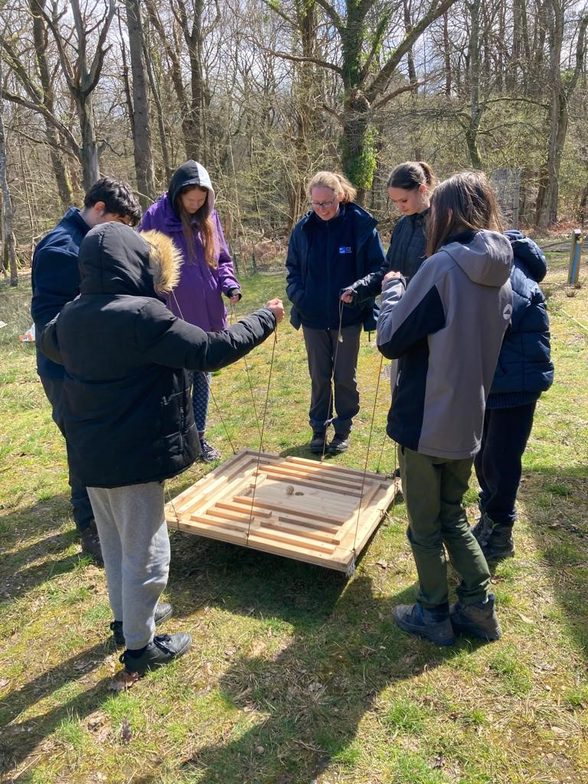
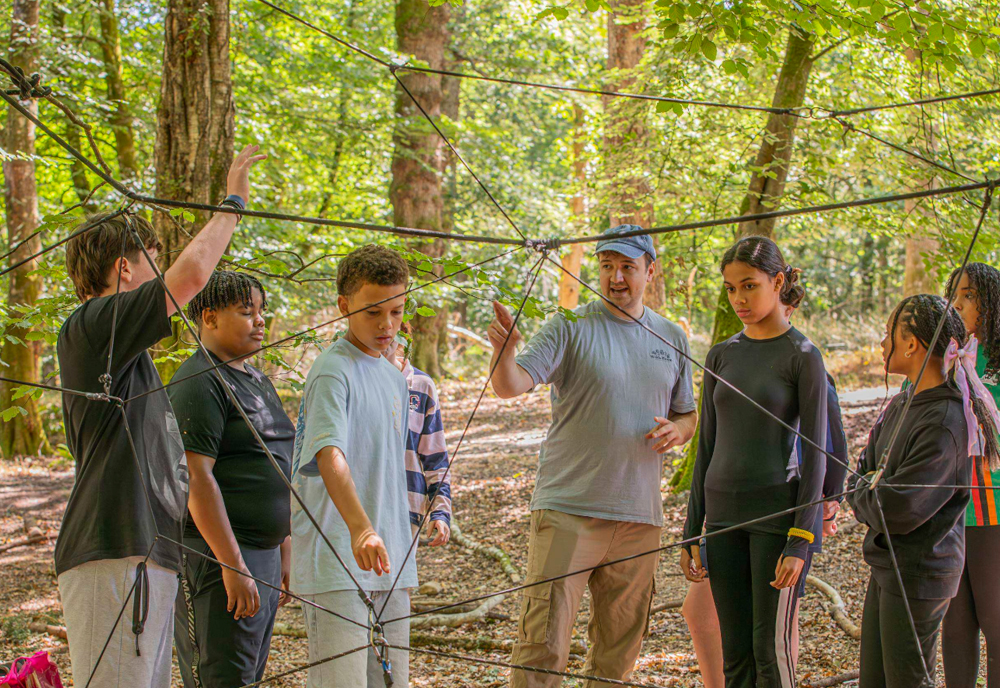
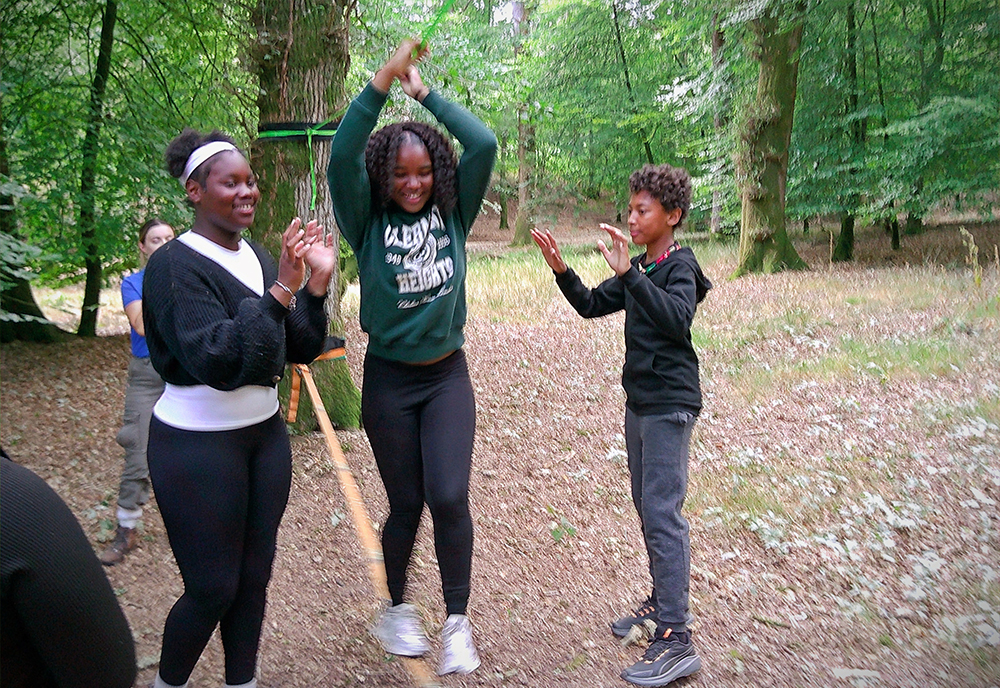
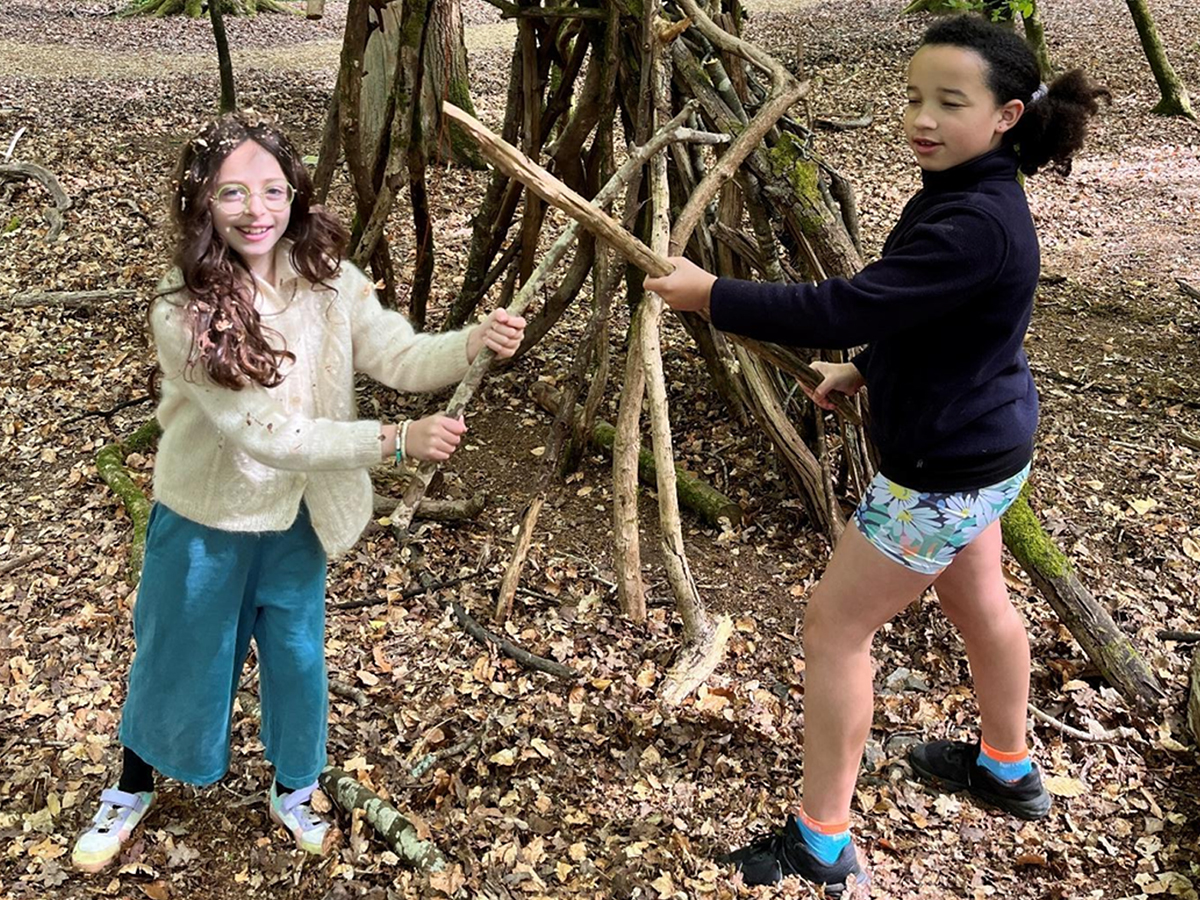
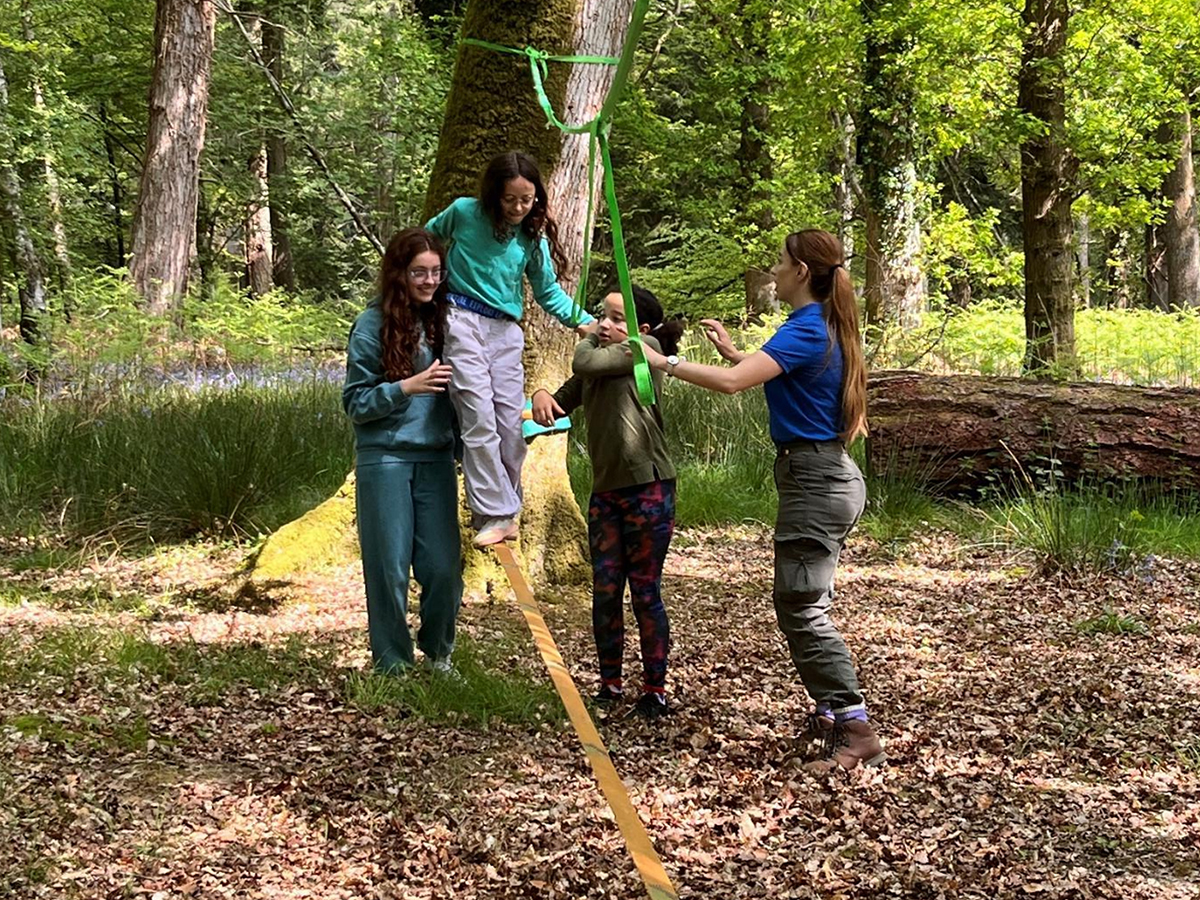
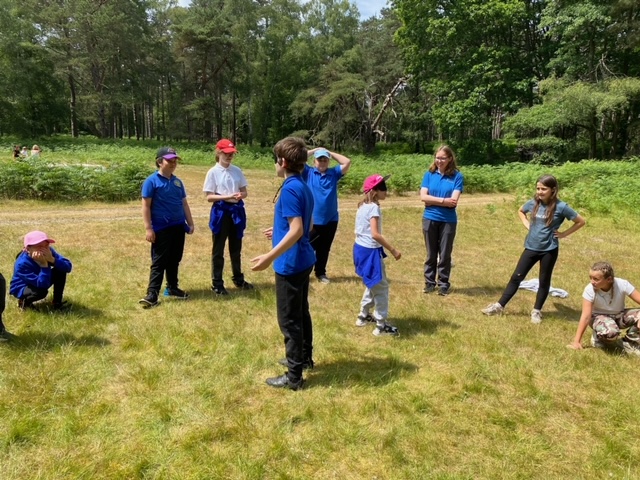
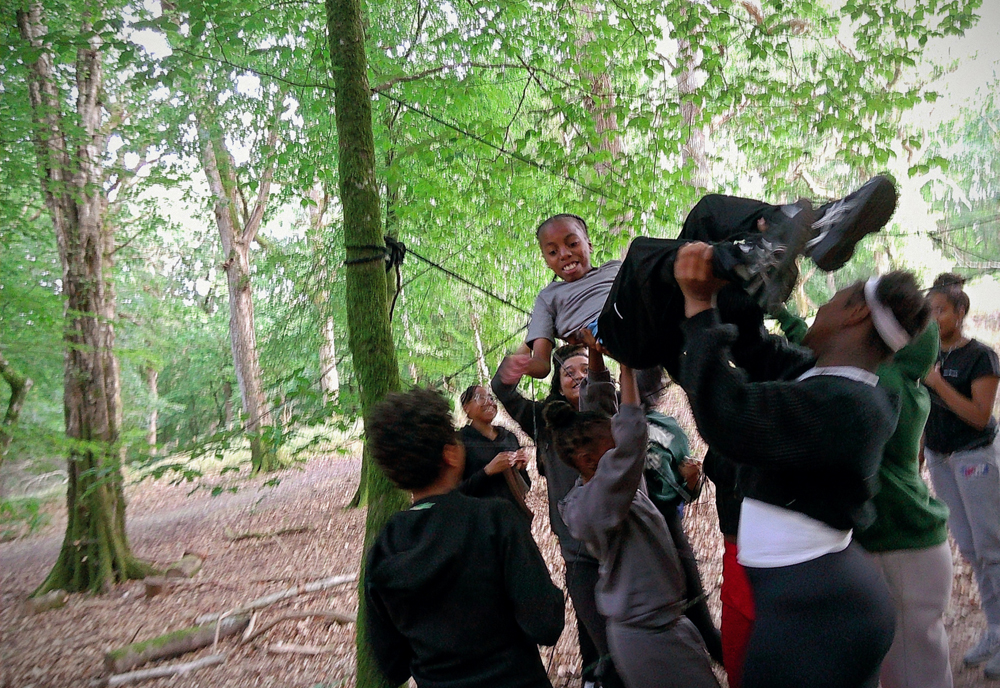 Young People get to know one another through team bonding activities
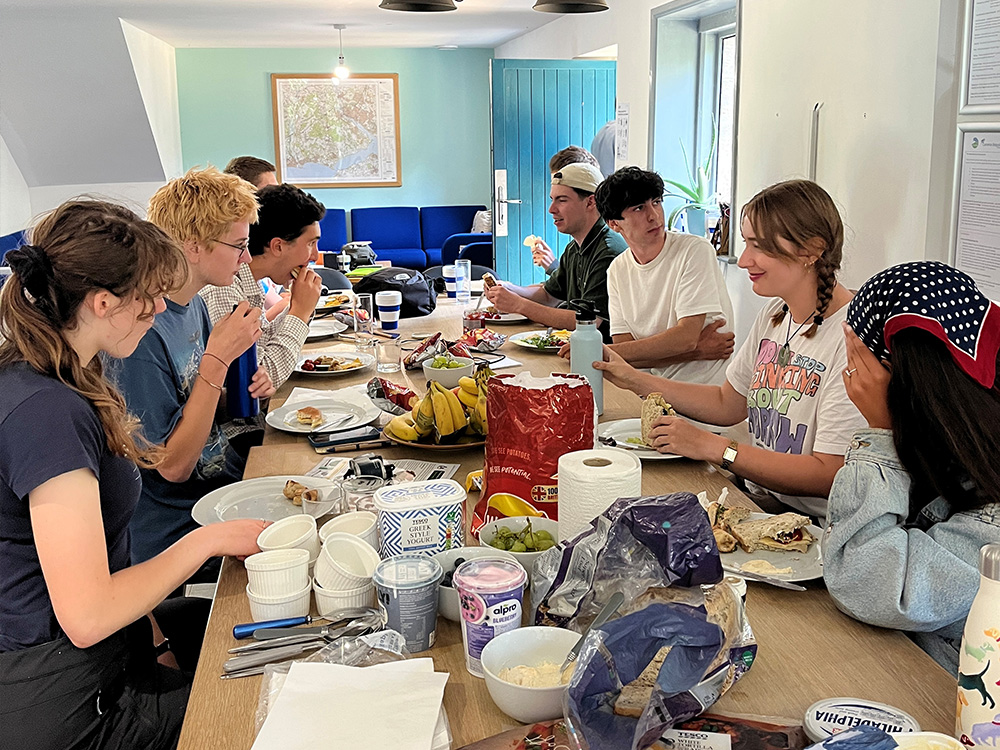
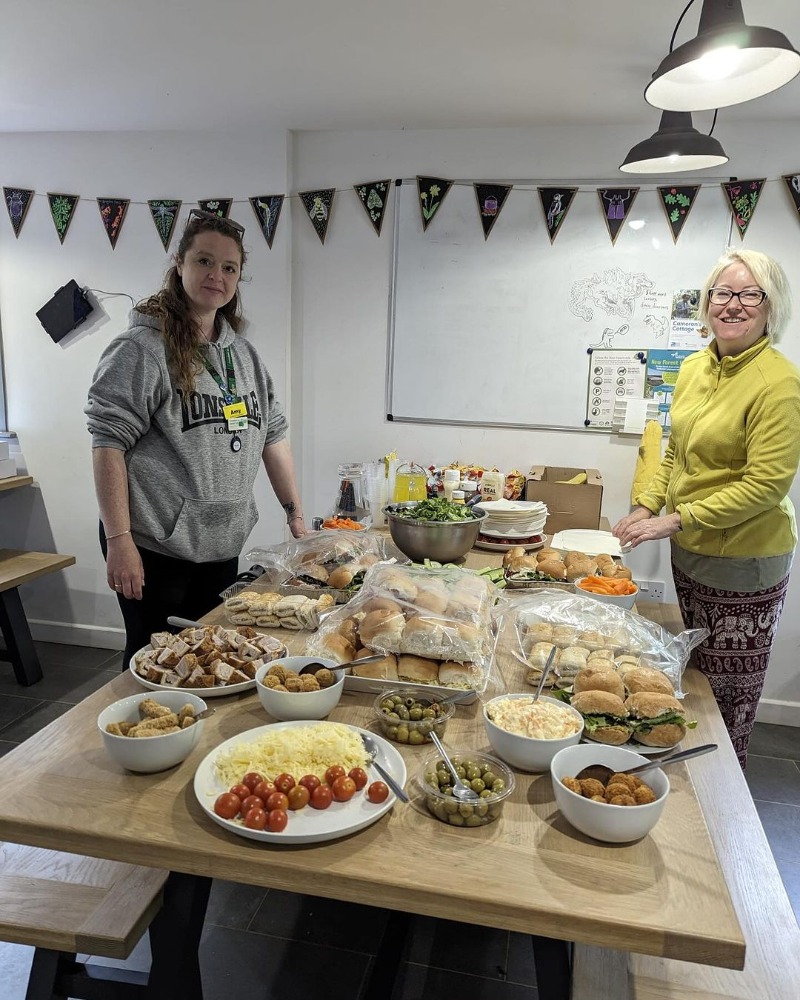
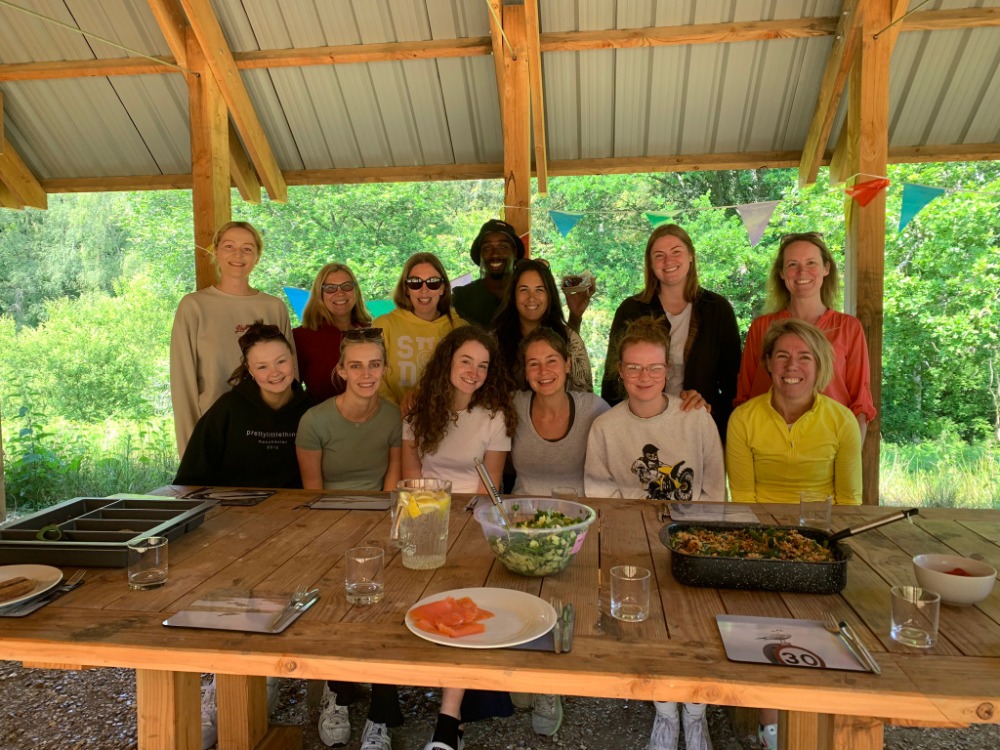
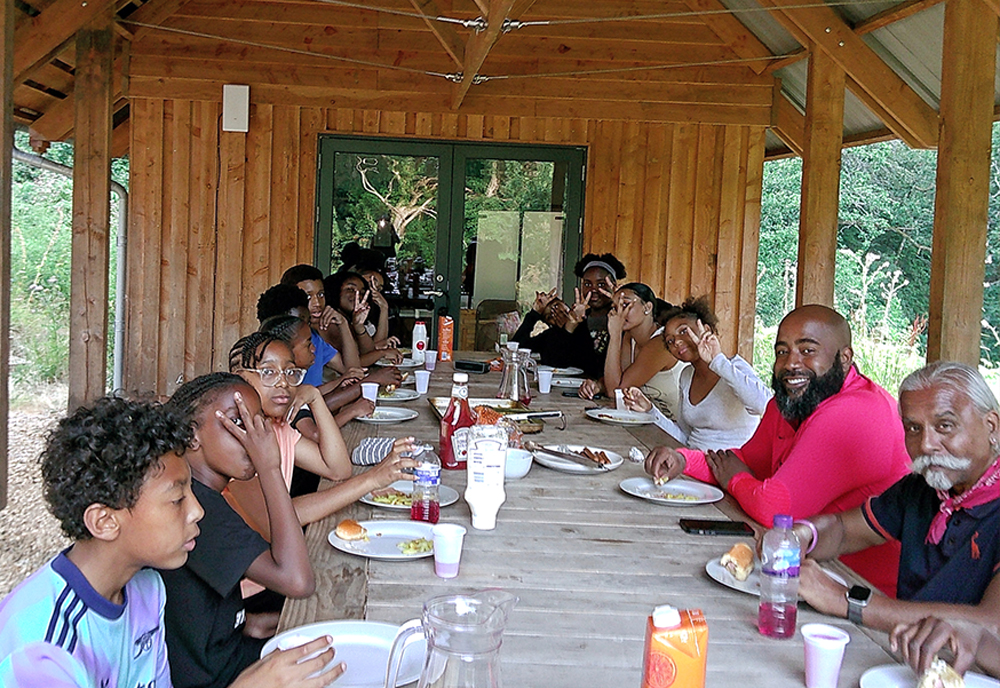 Young People enjoy eating dinner cooked in the outdoor kitchen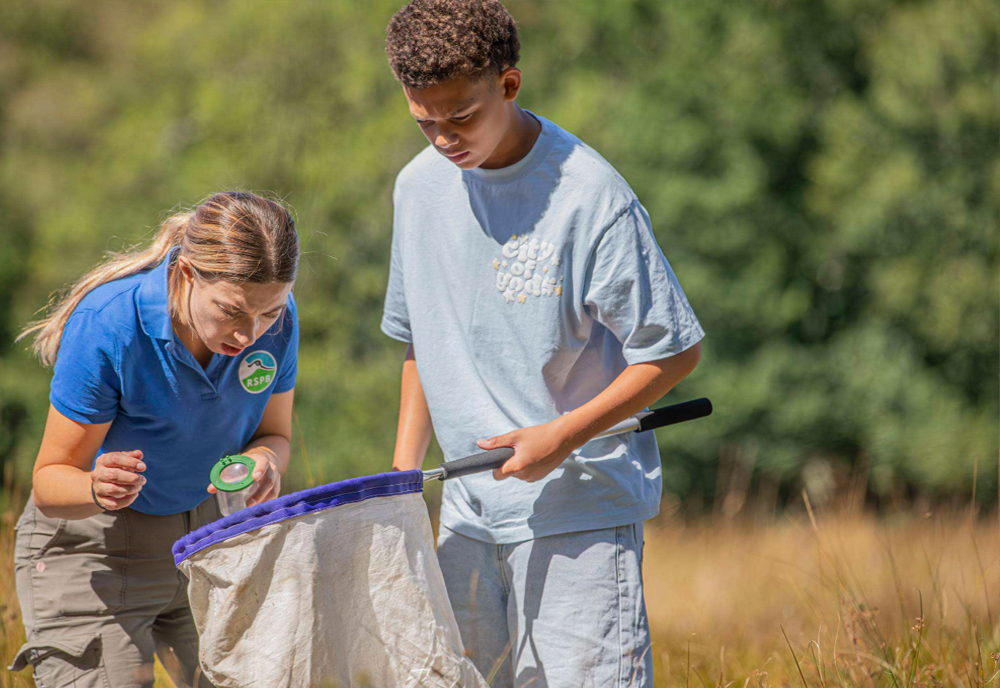
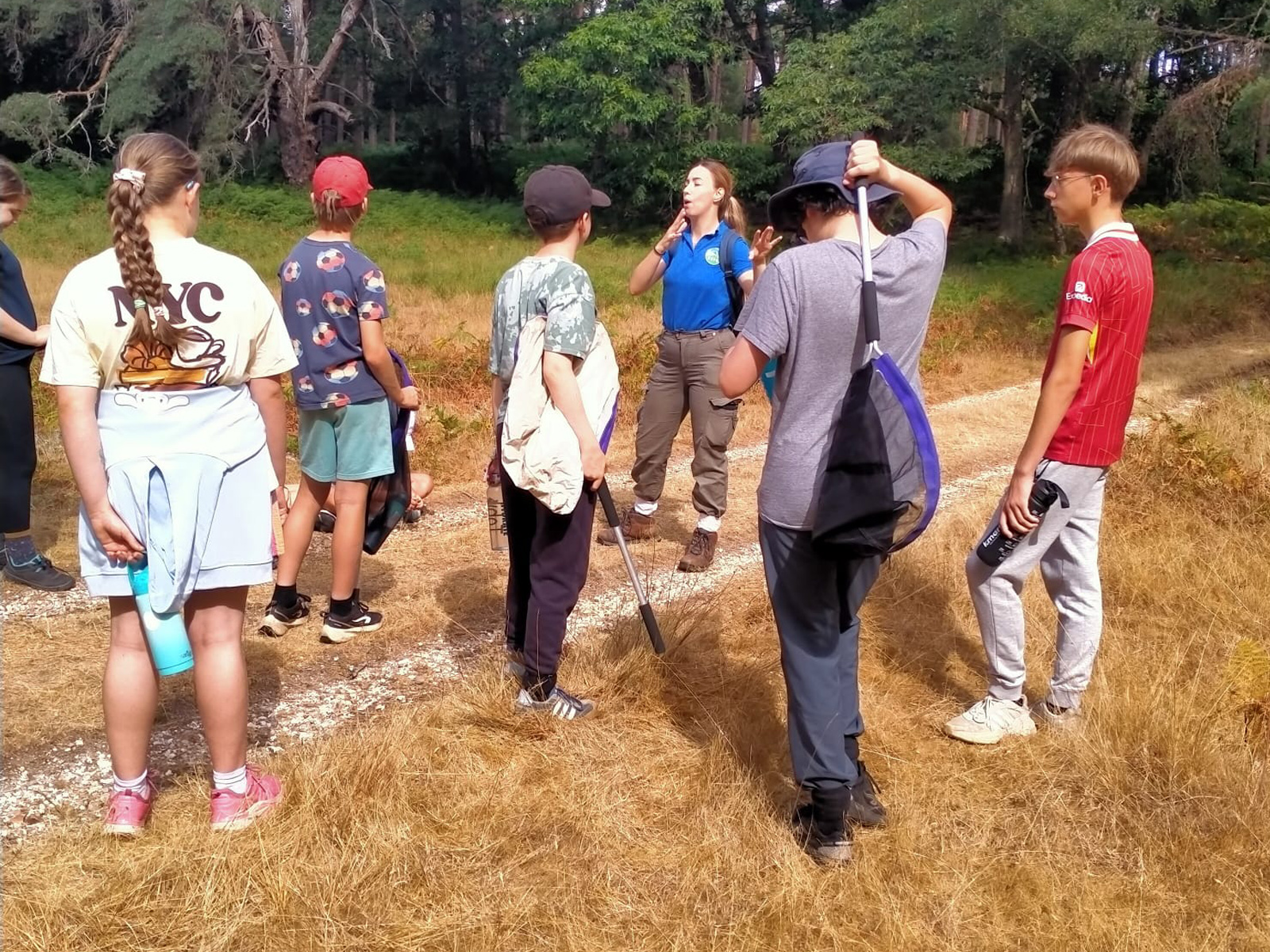
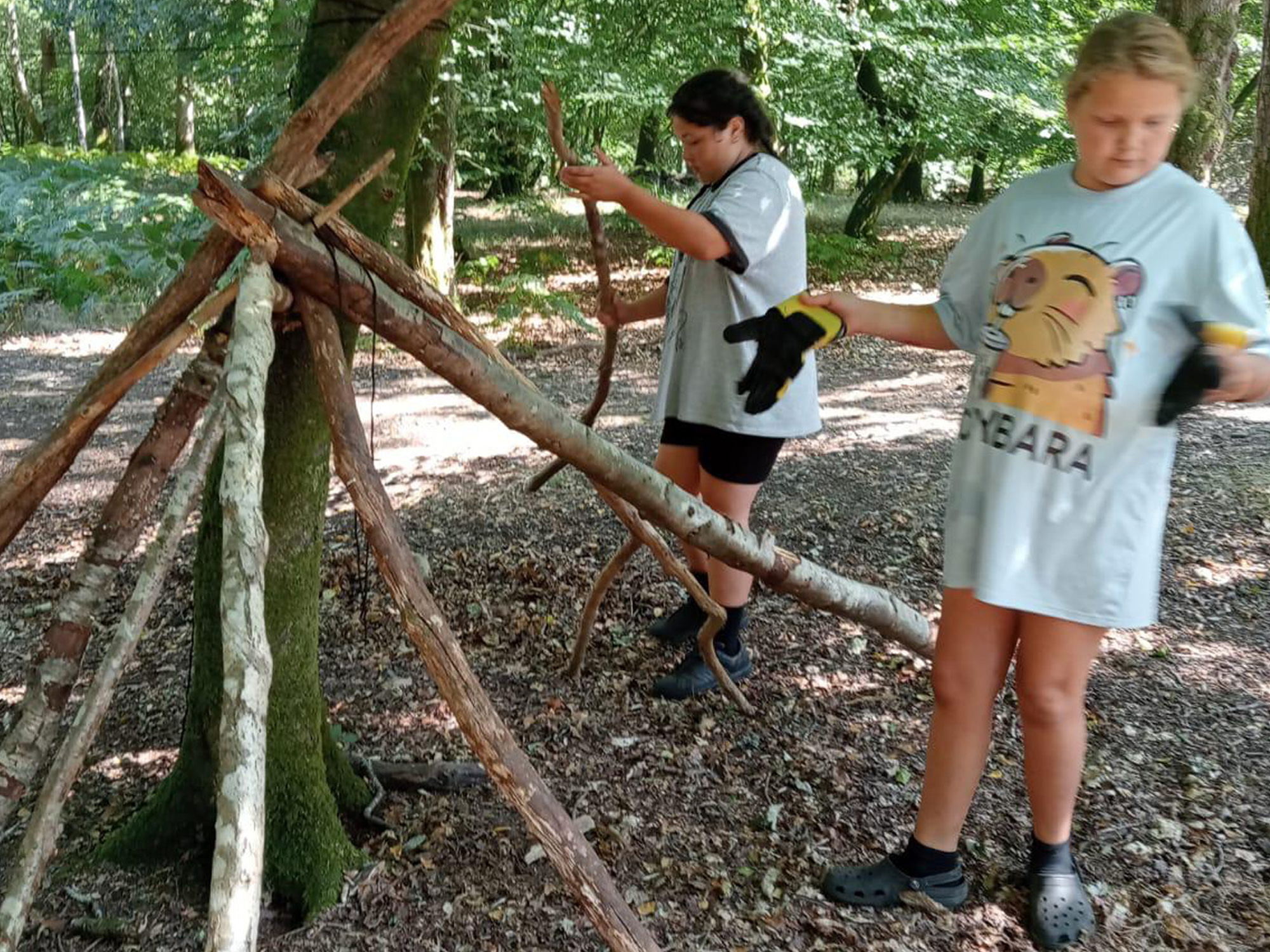
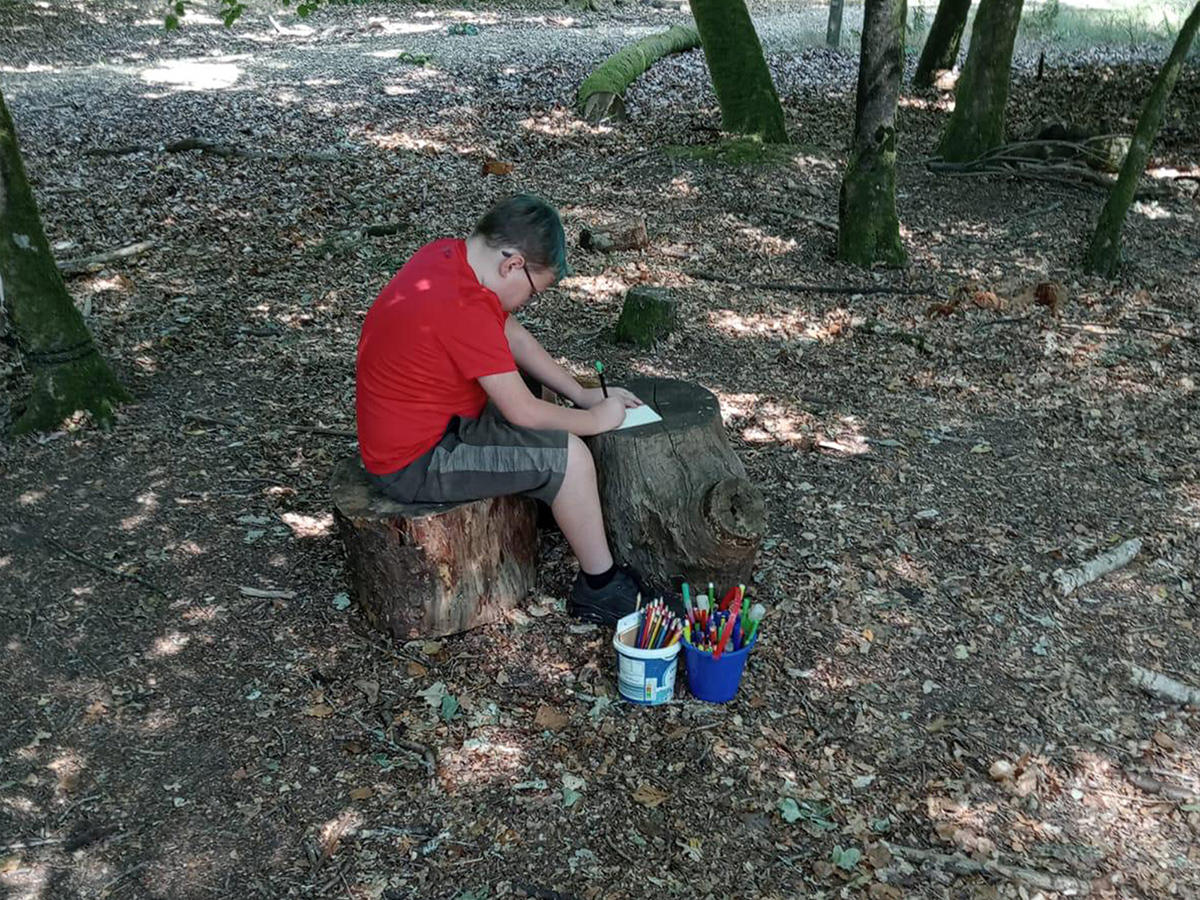
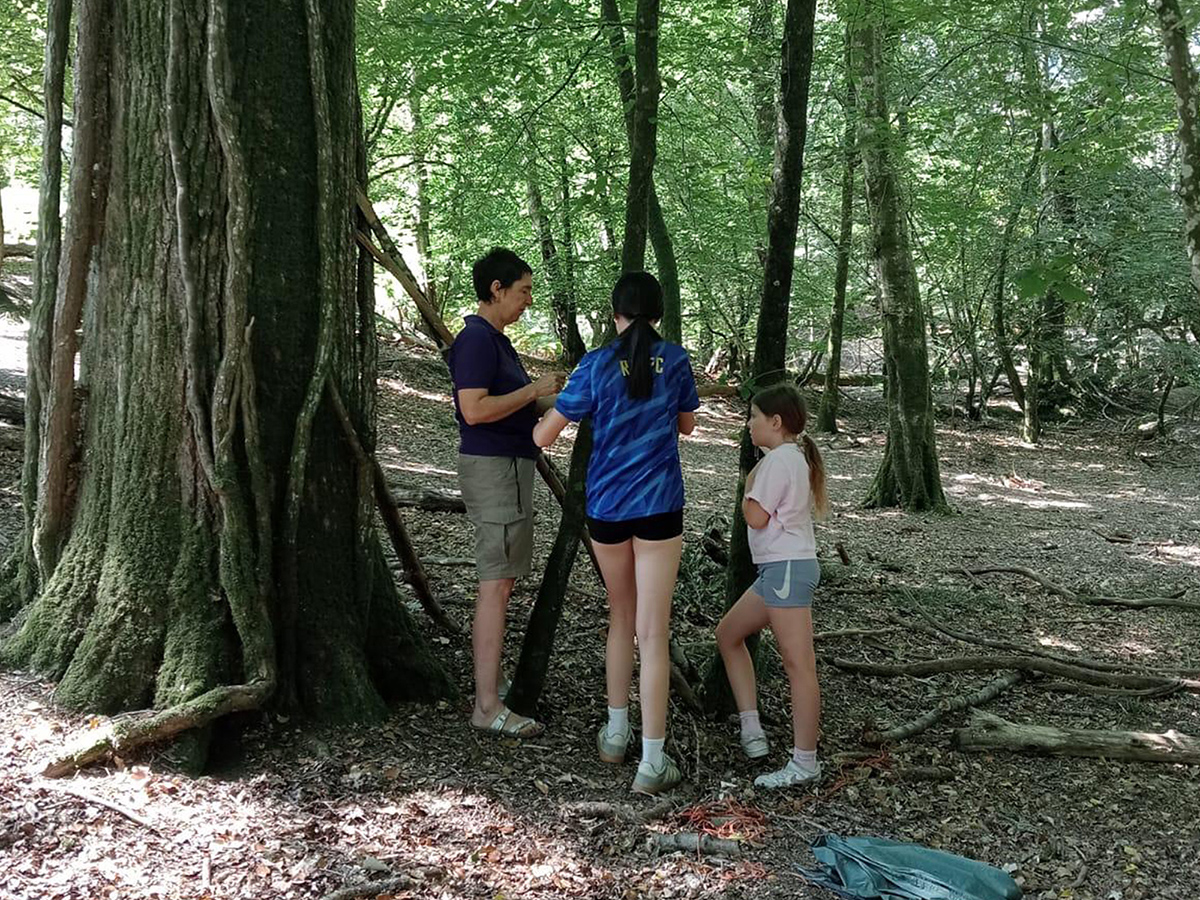
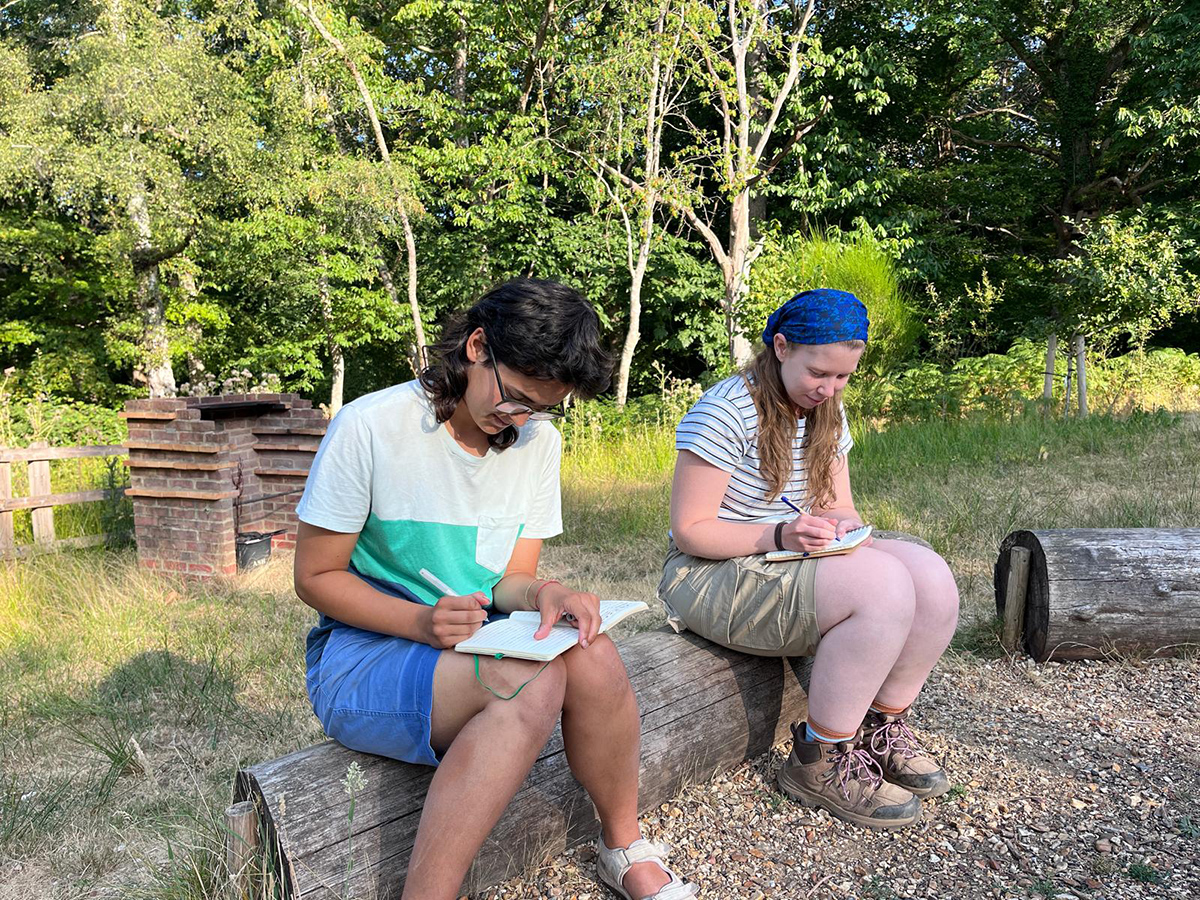
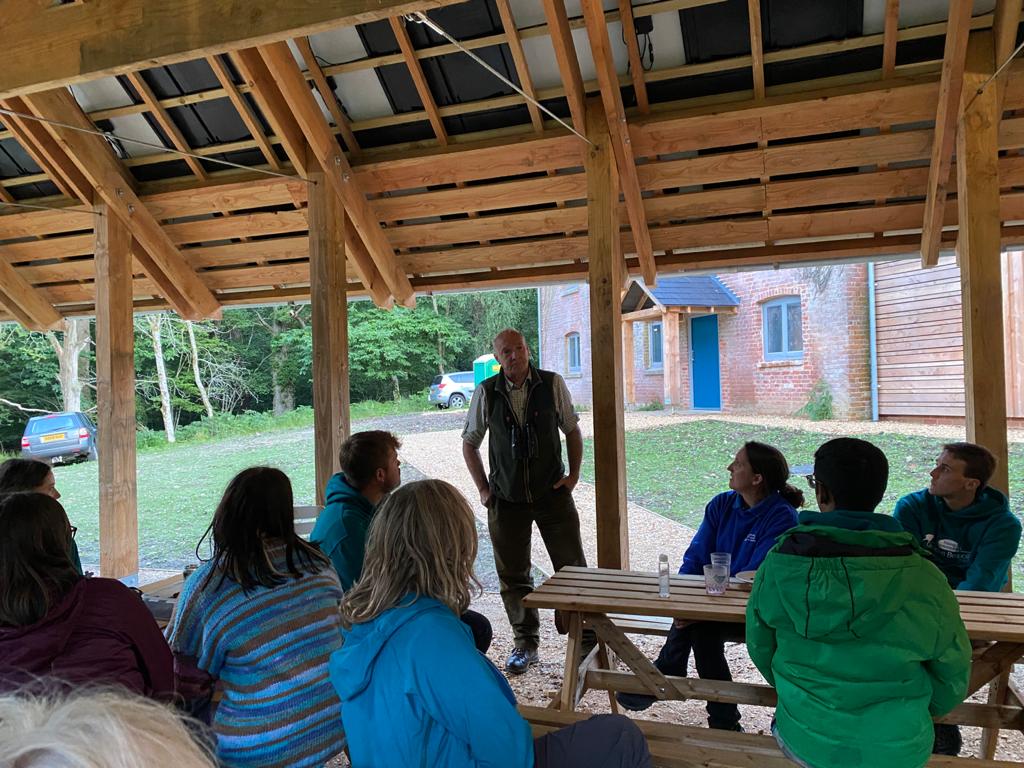
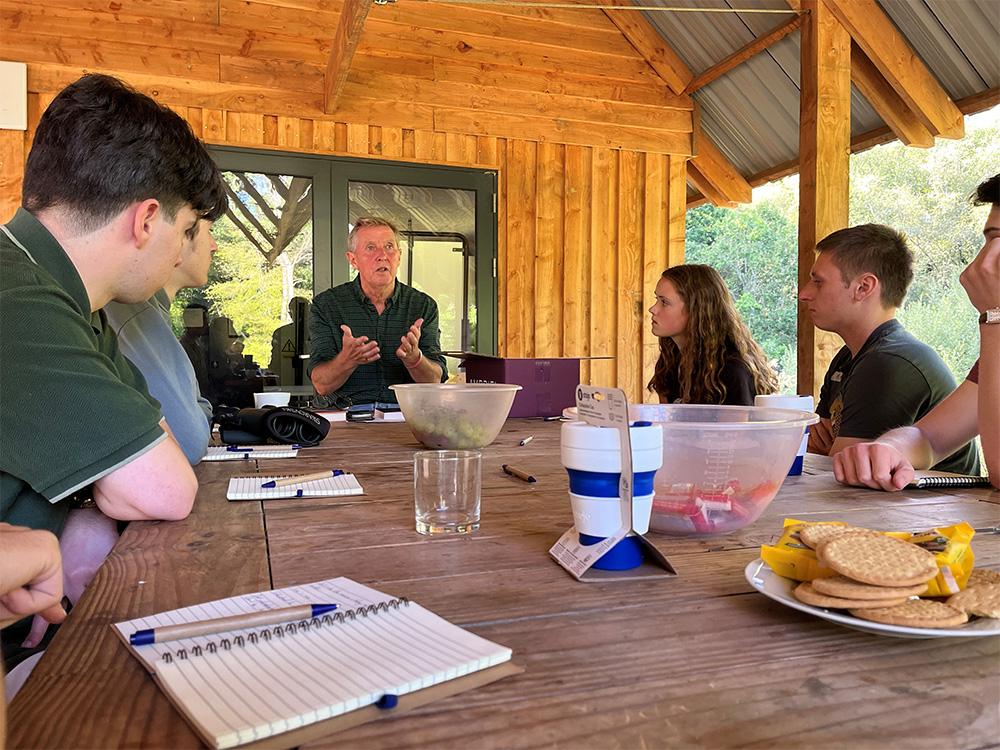
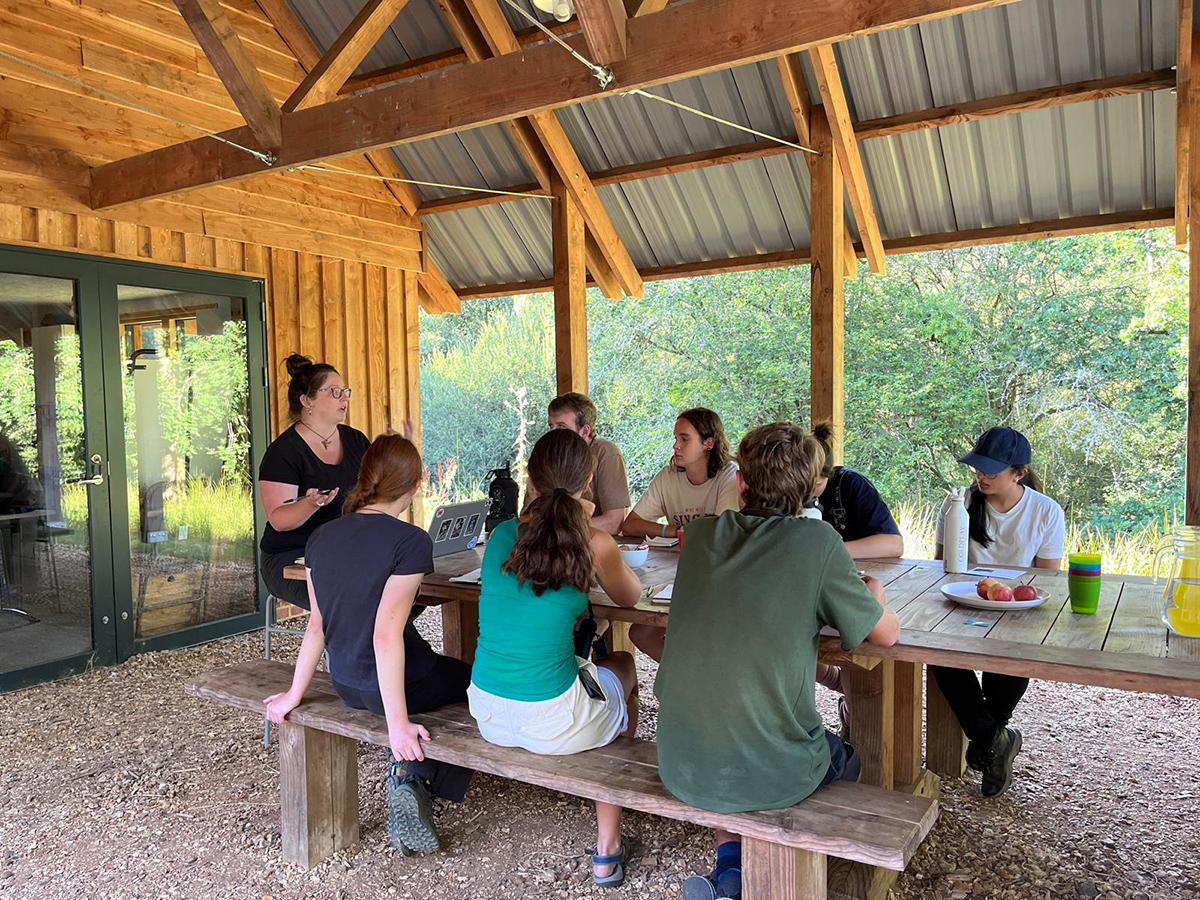 Jeni Bell addresses the group with her inspirational talk about confidence
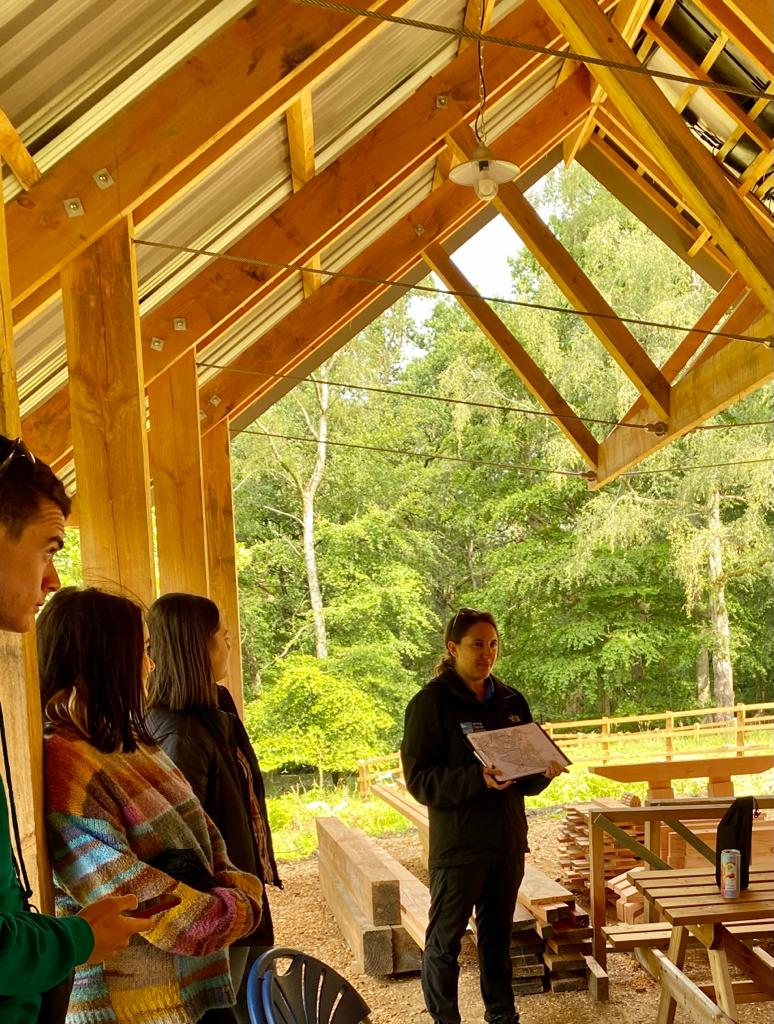
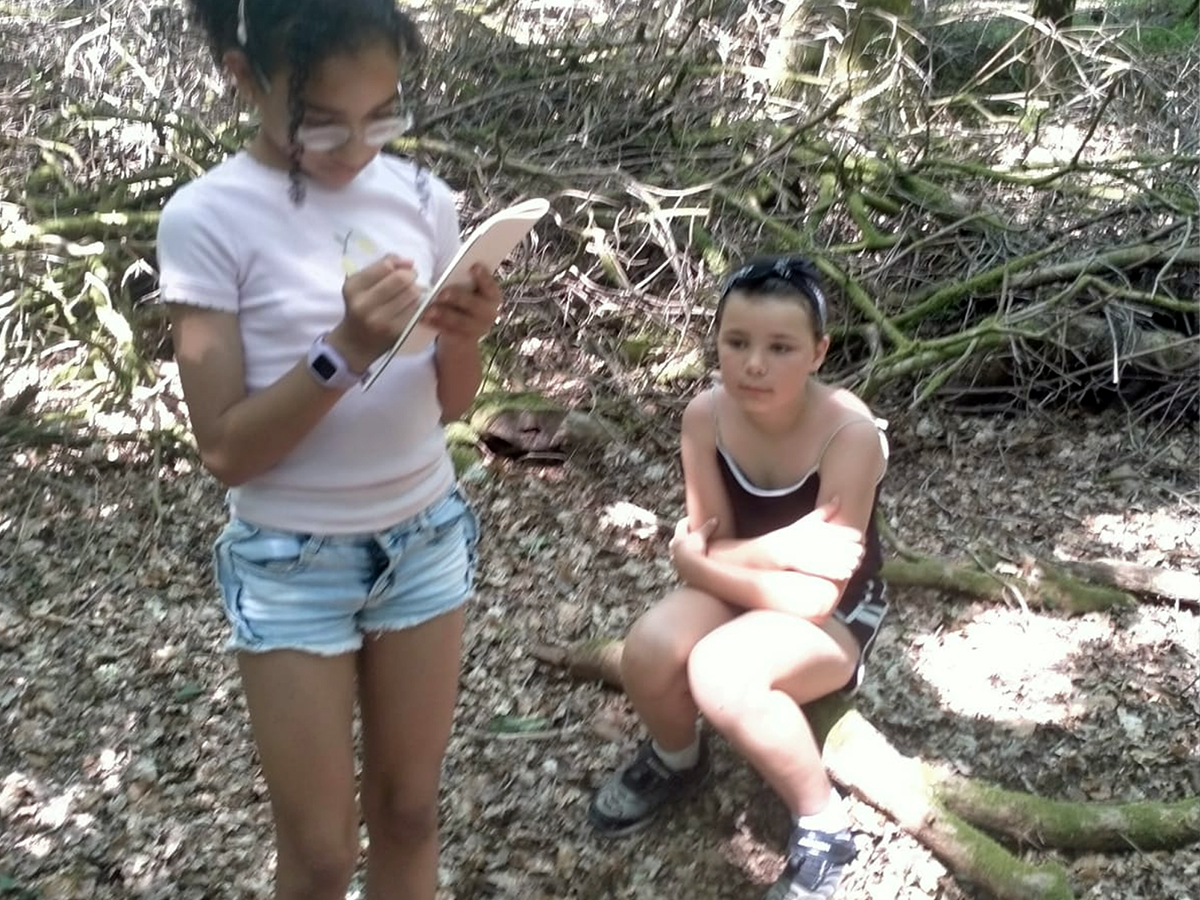
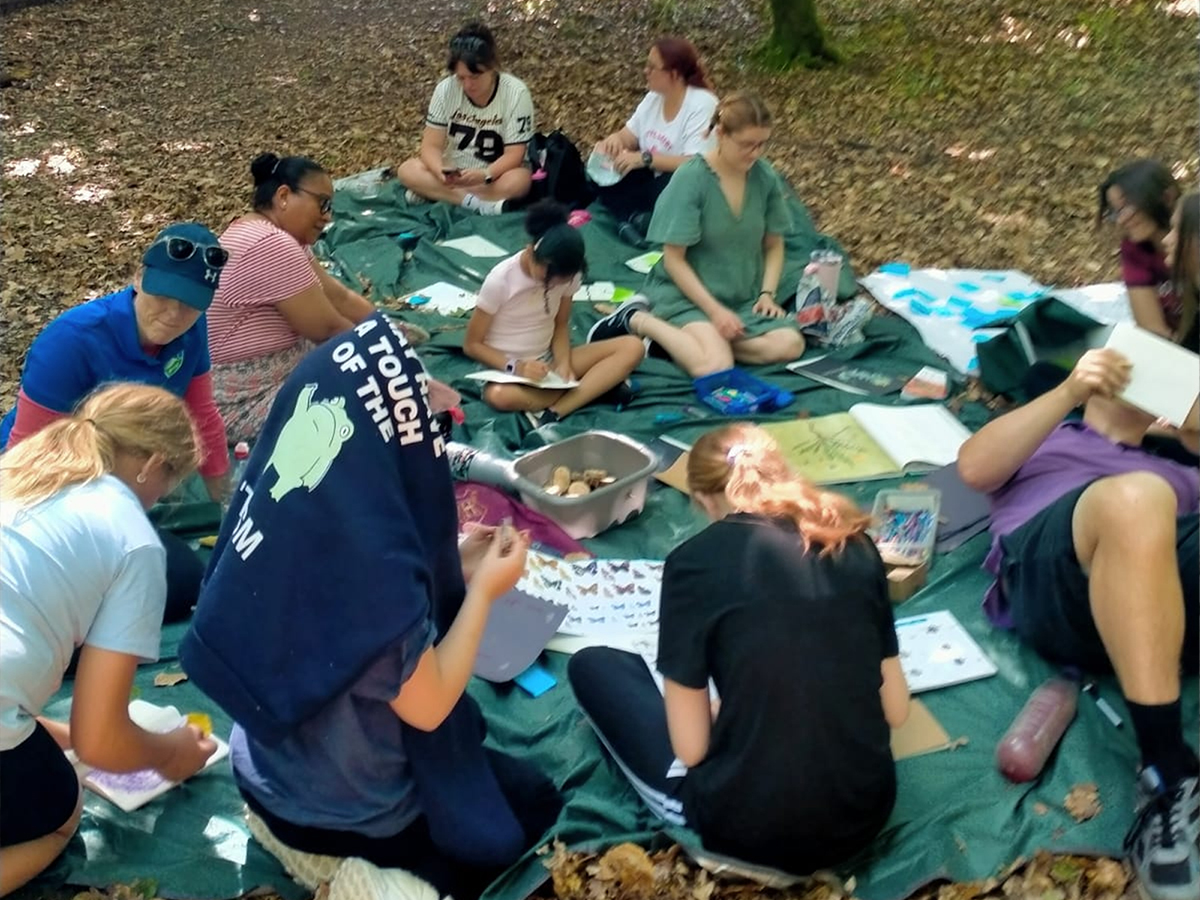
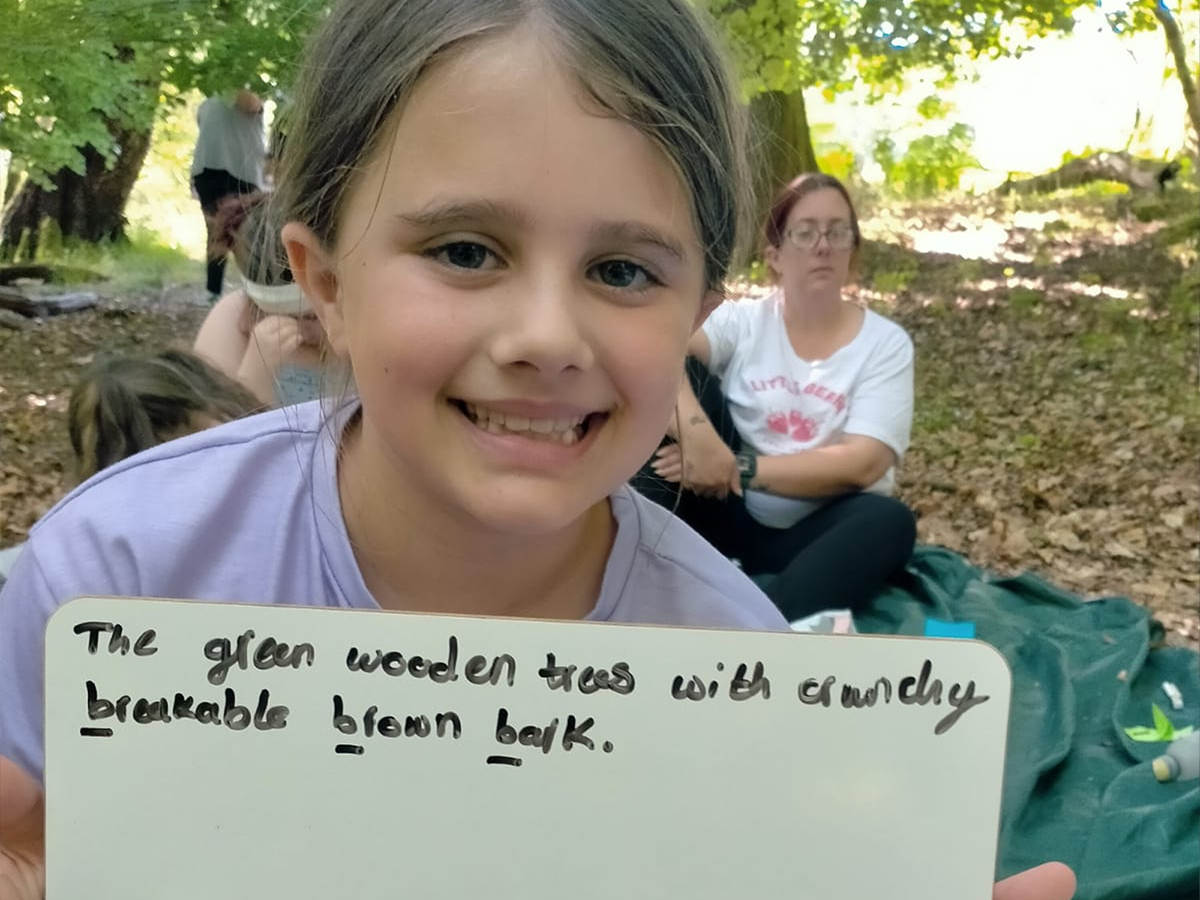
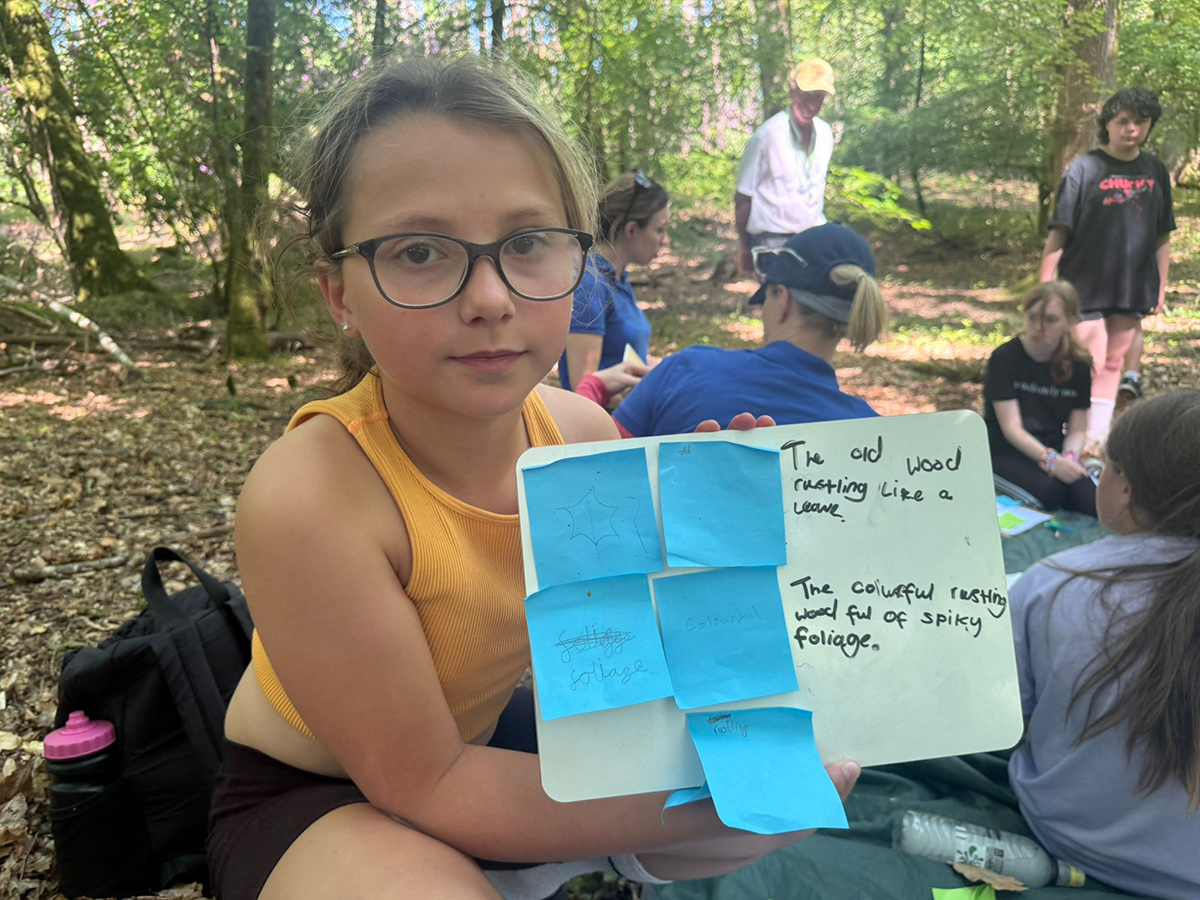
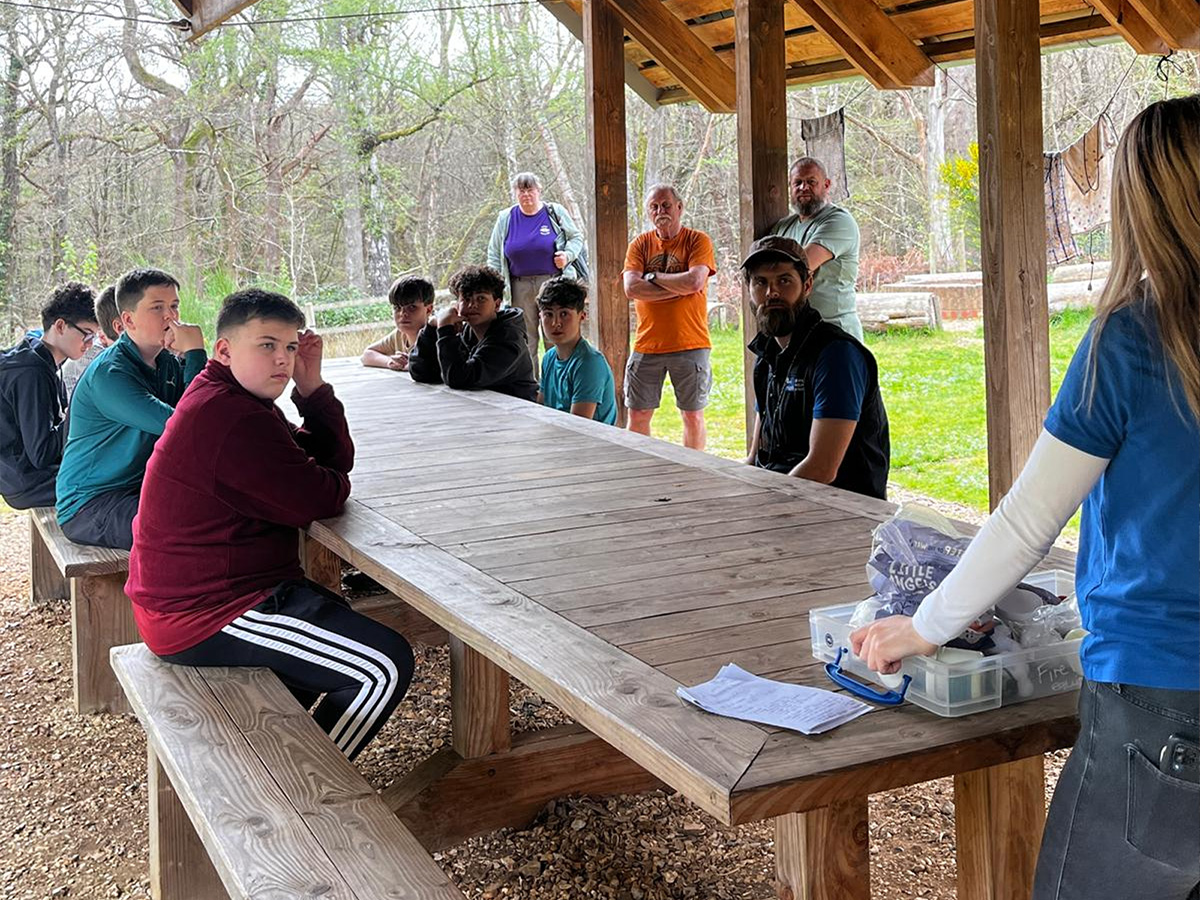
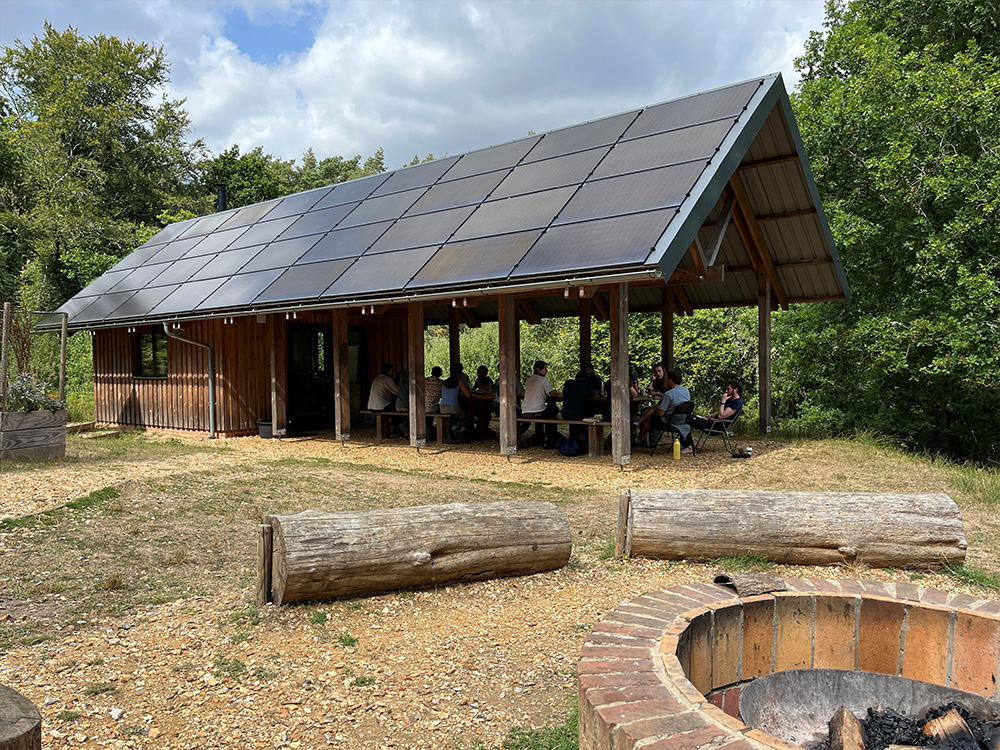
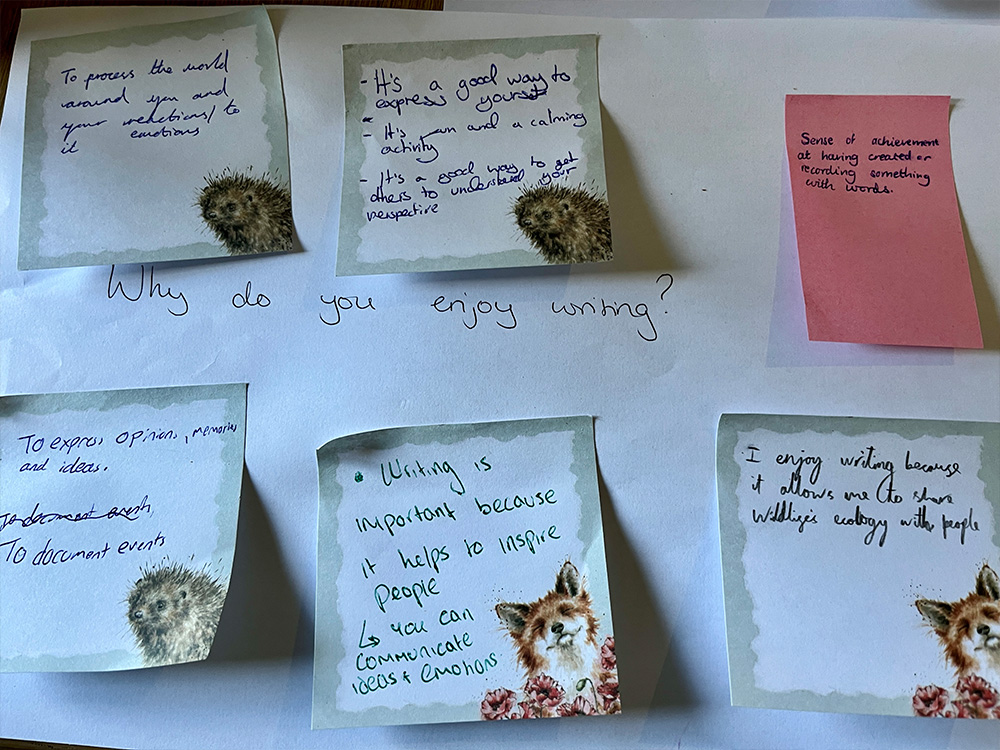
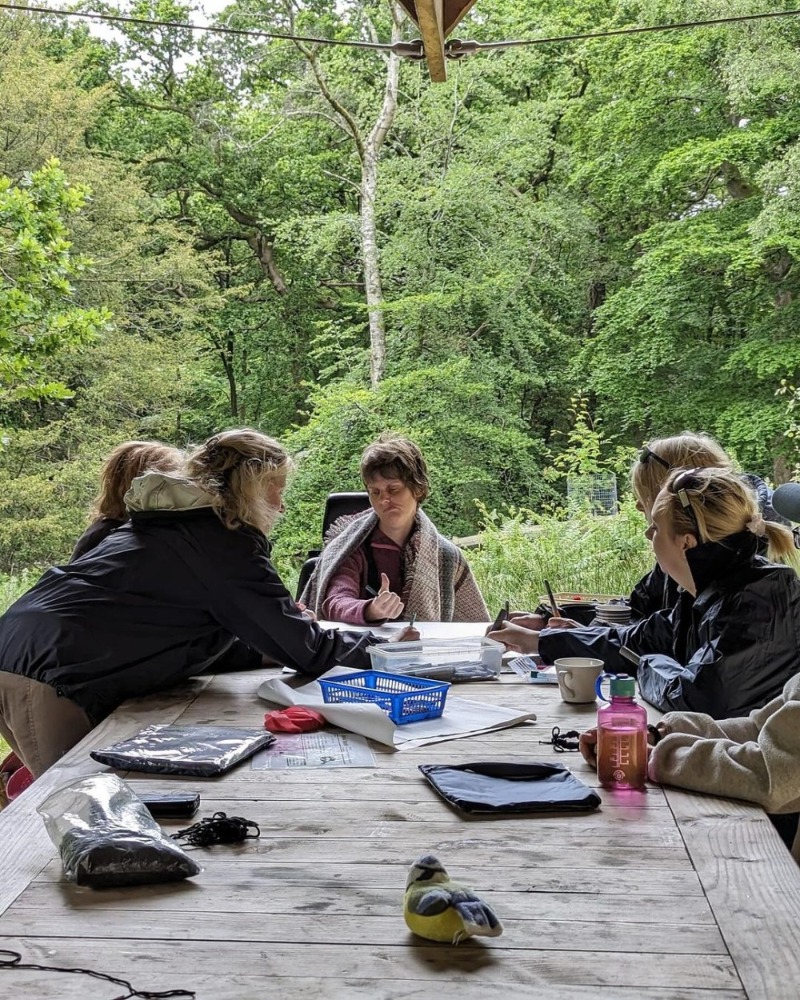
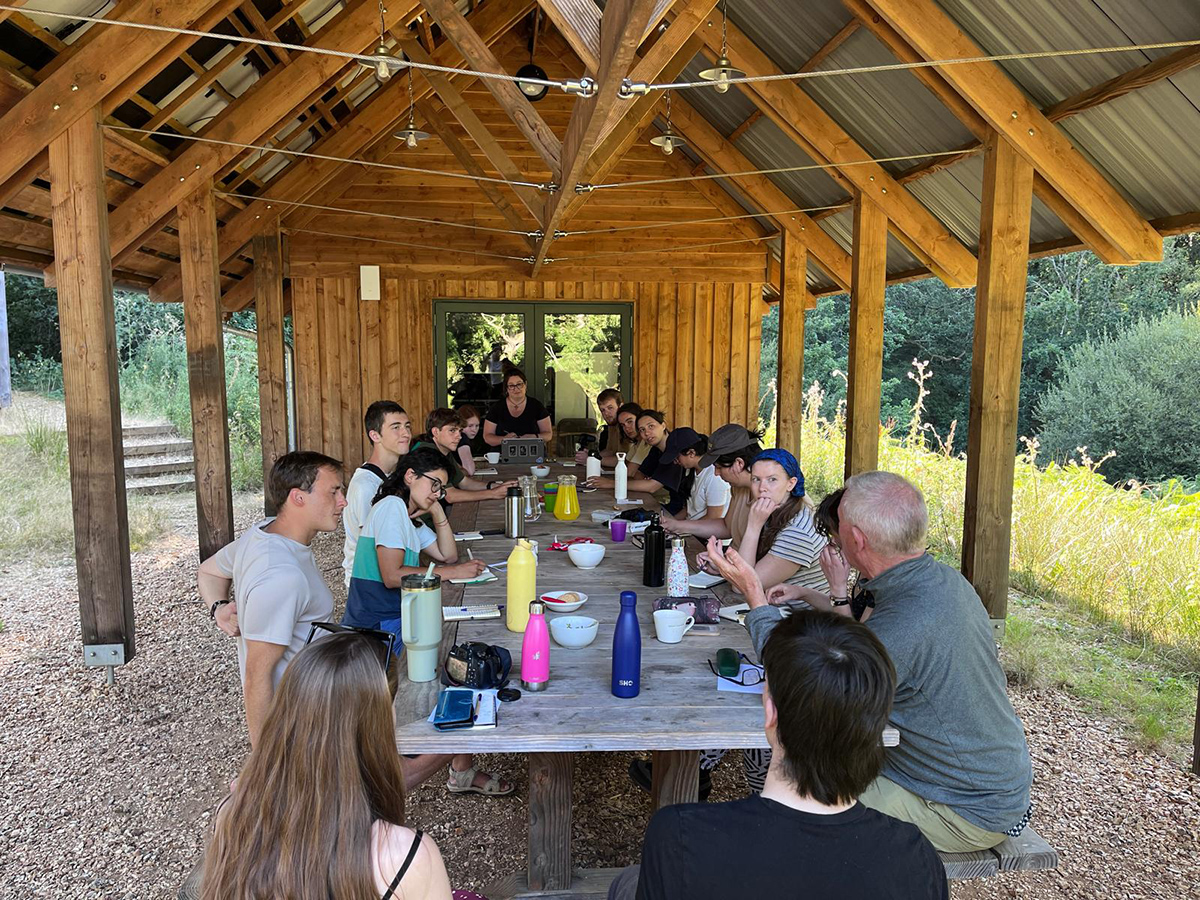 Writing sessions in the outdoor classroom
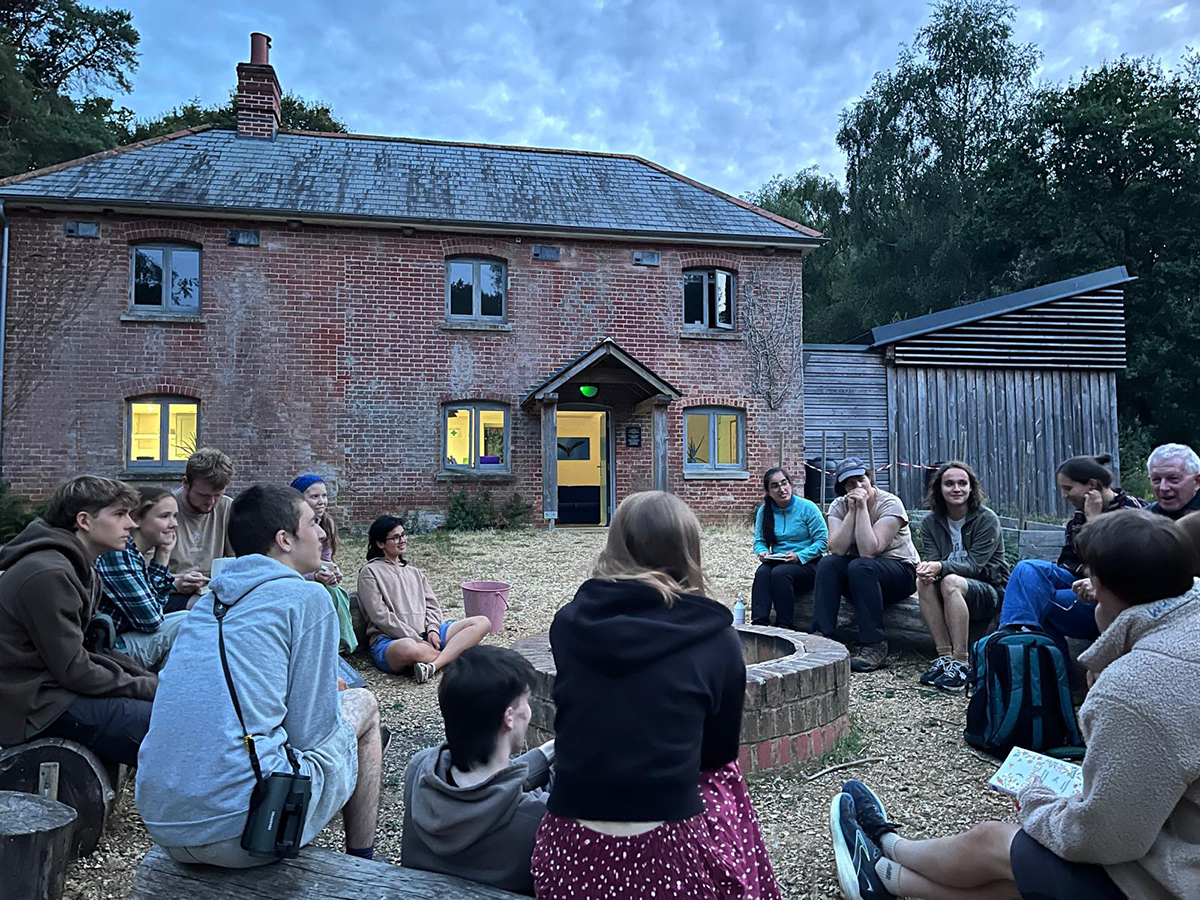 Readings by Stephen Moss
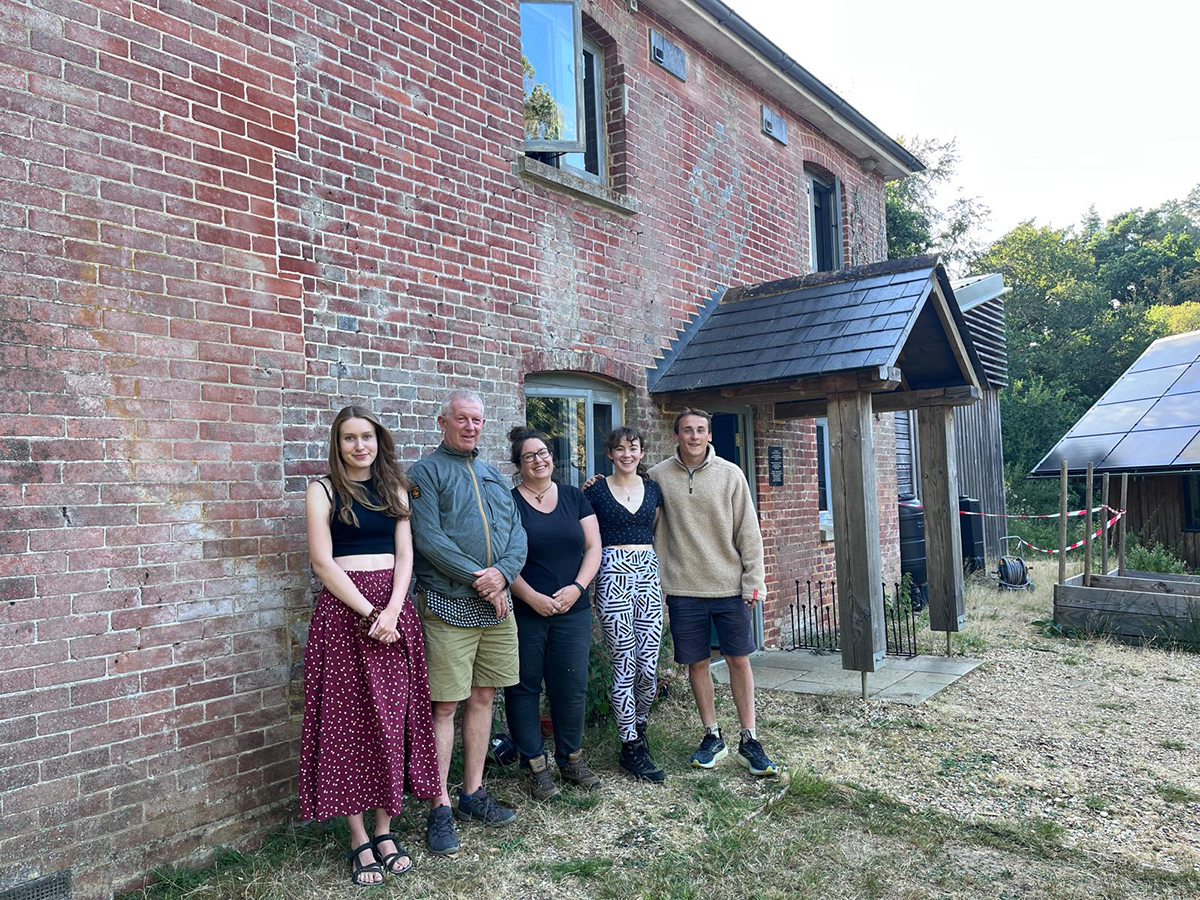 Emily Hunt, Stephen Moss, Jeni Bell, Alicia Hayden, Andrew Millham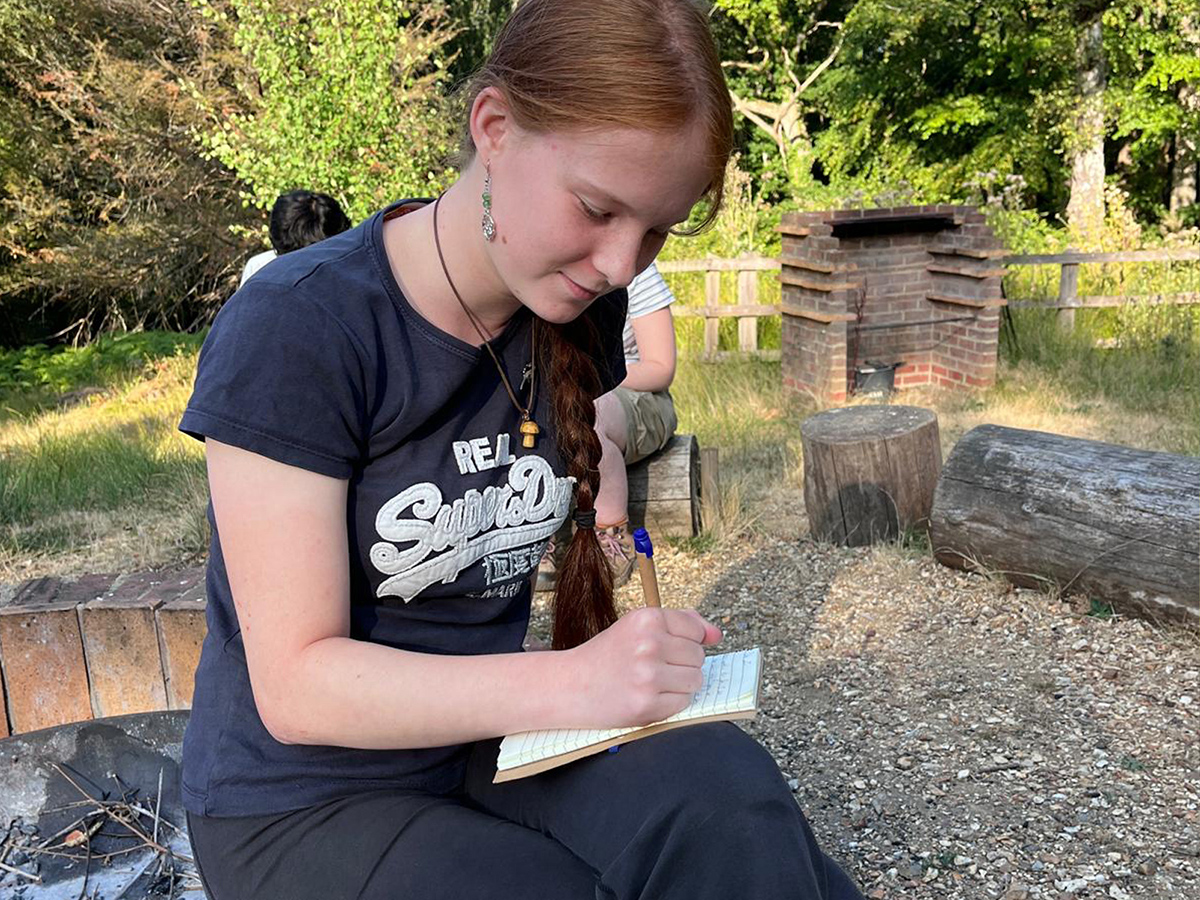
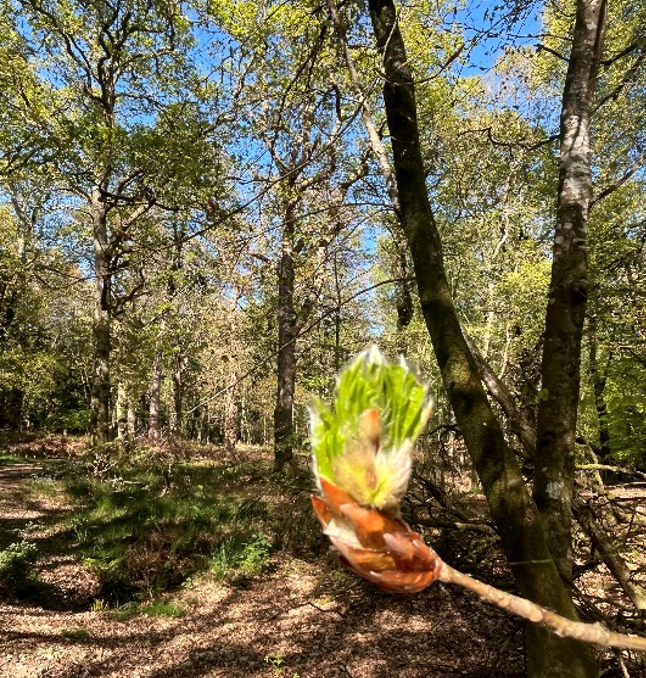
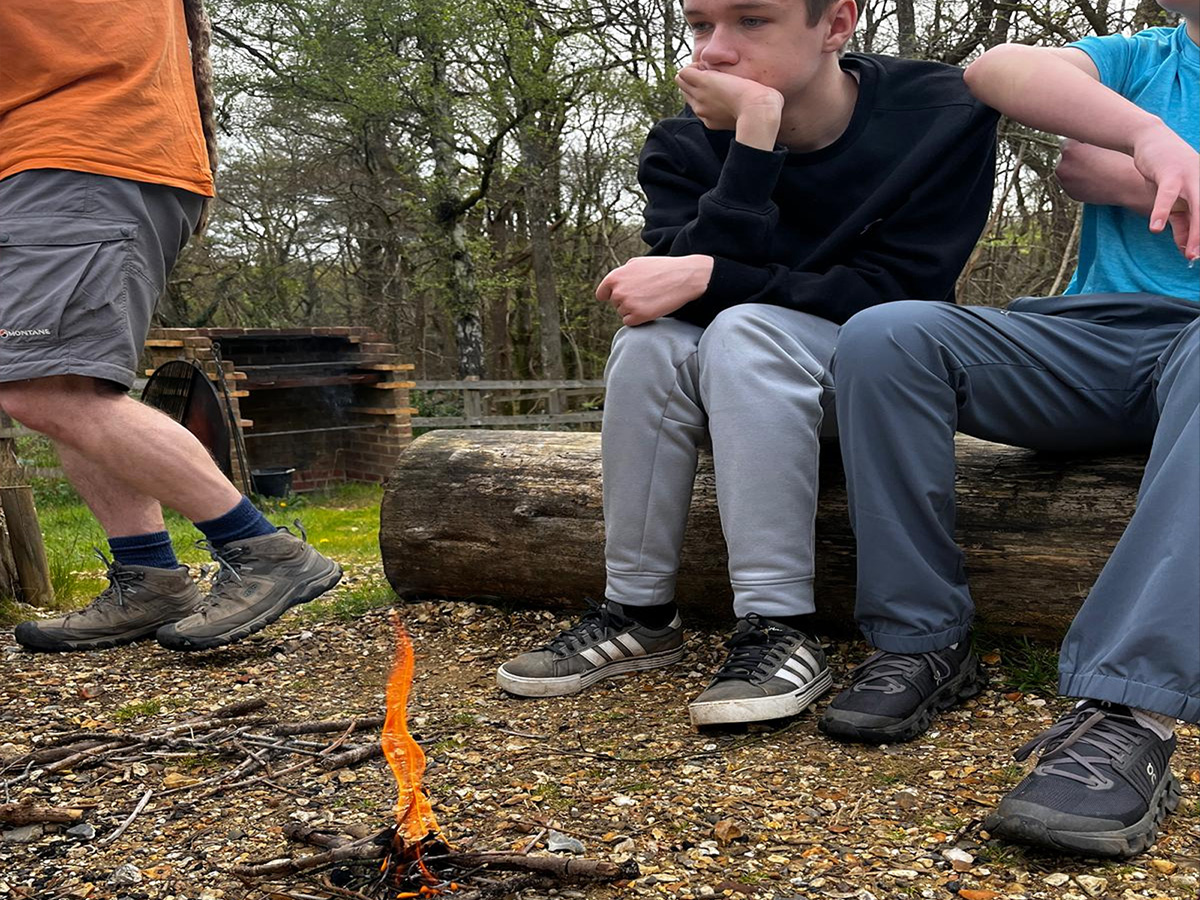
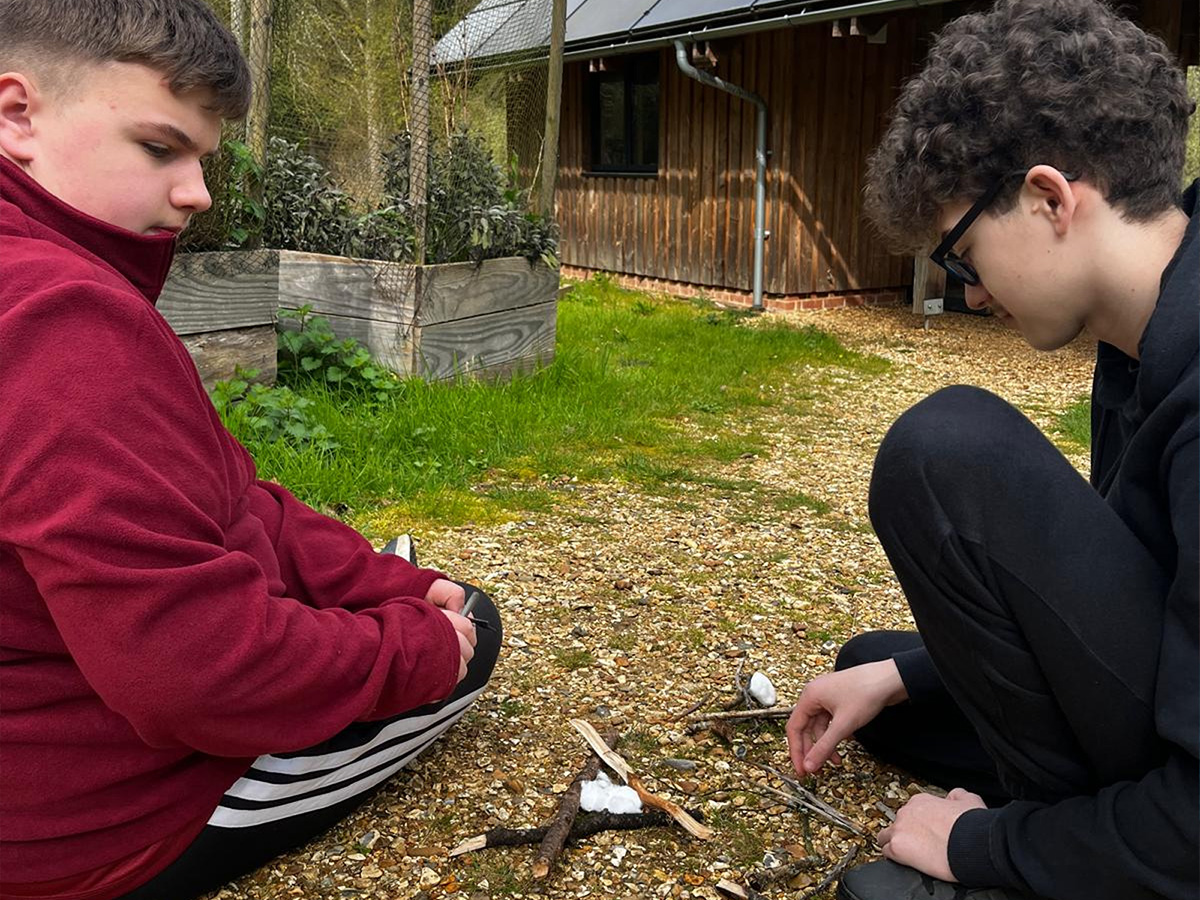
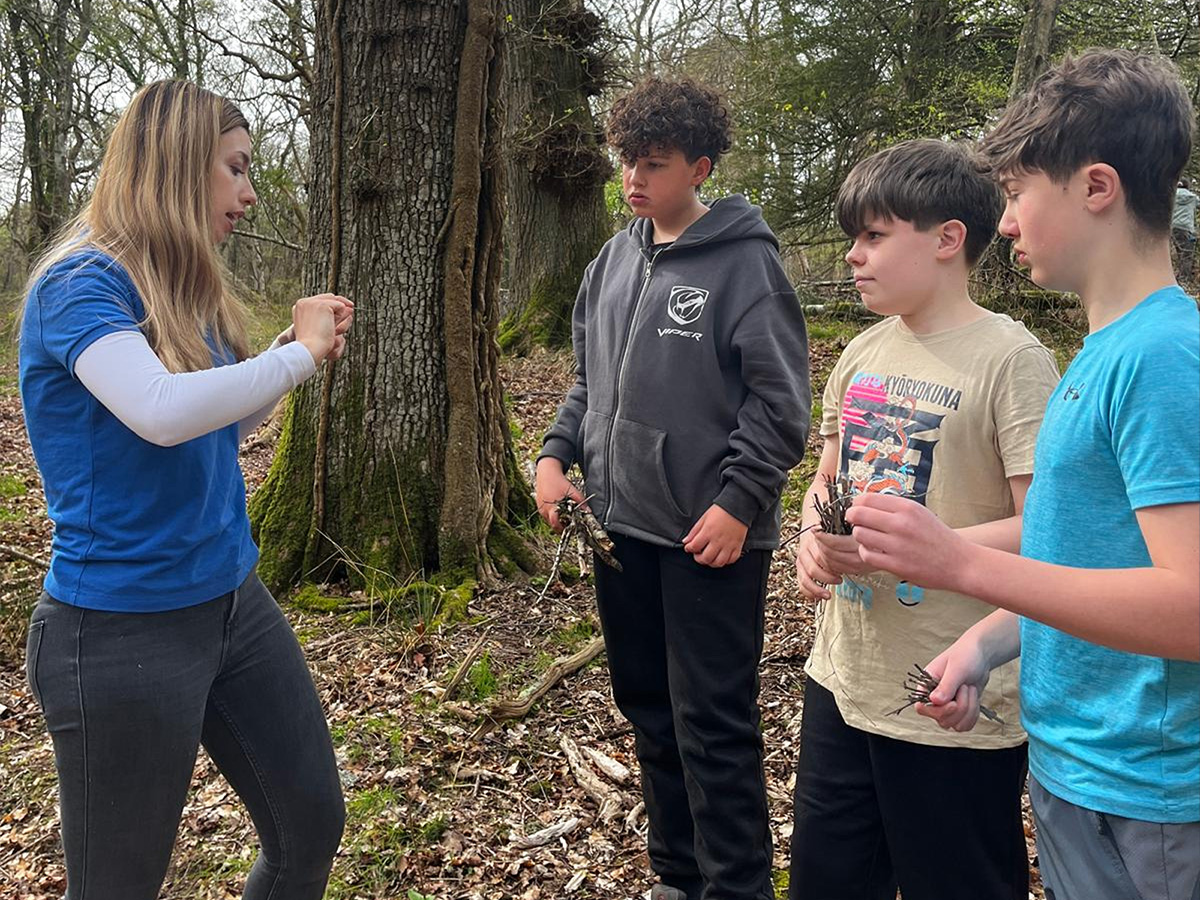
 Spring is in the air
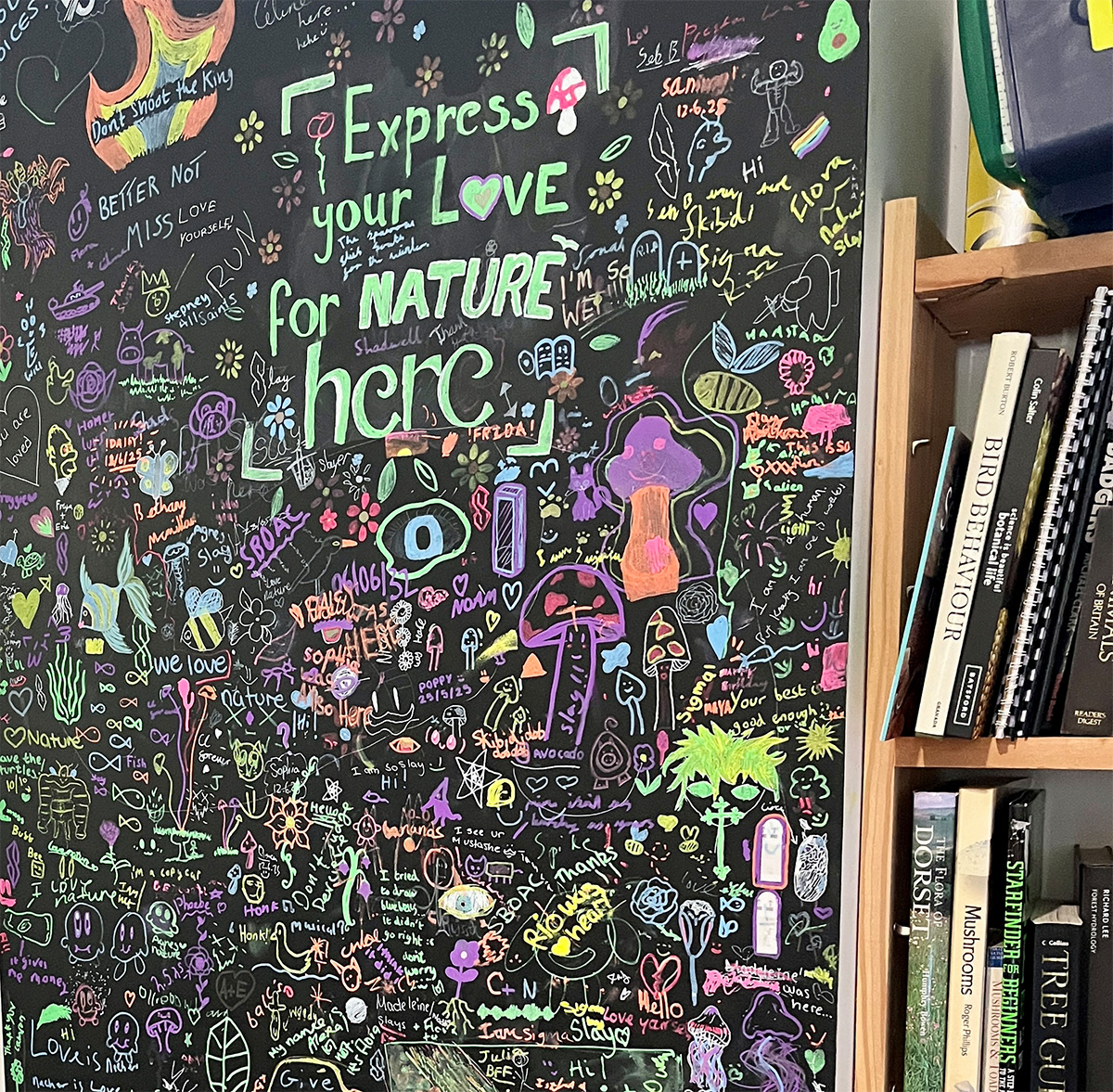 Chalk board in Cameron’s Cottage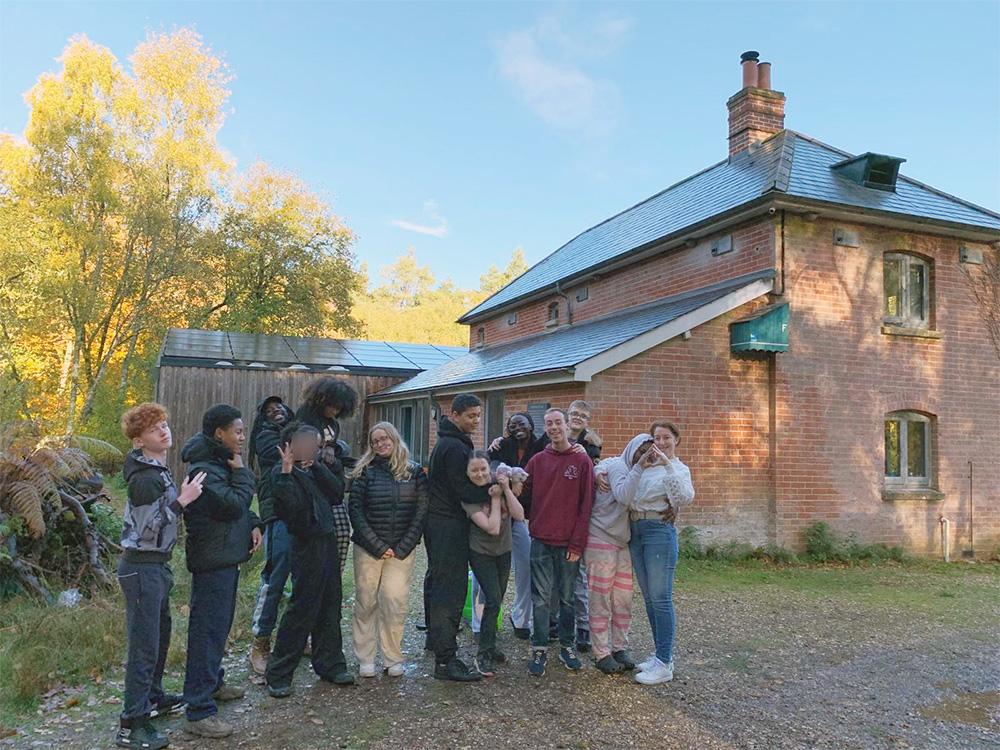
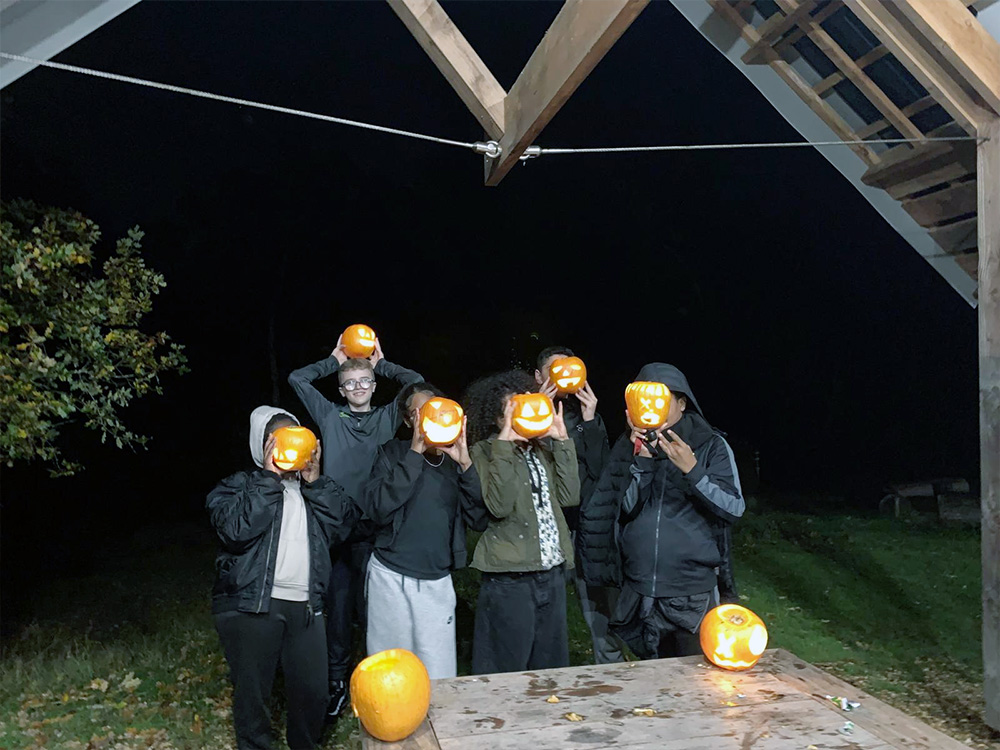
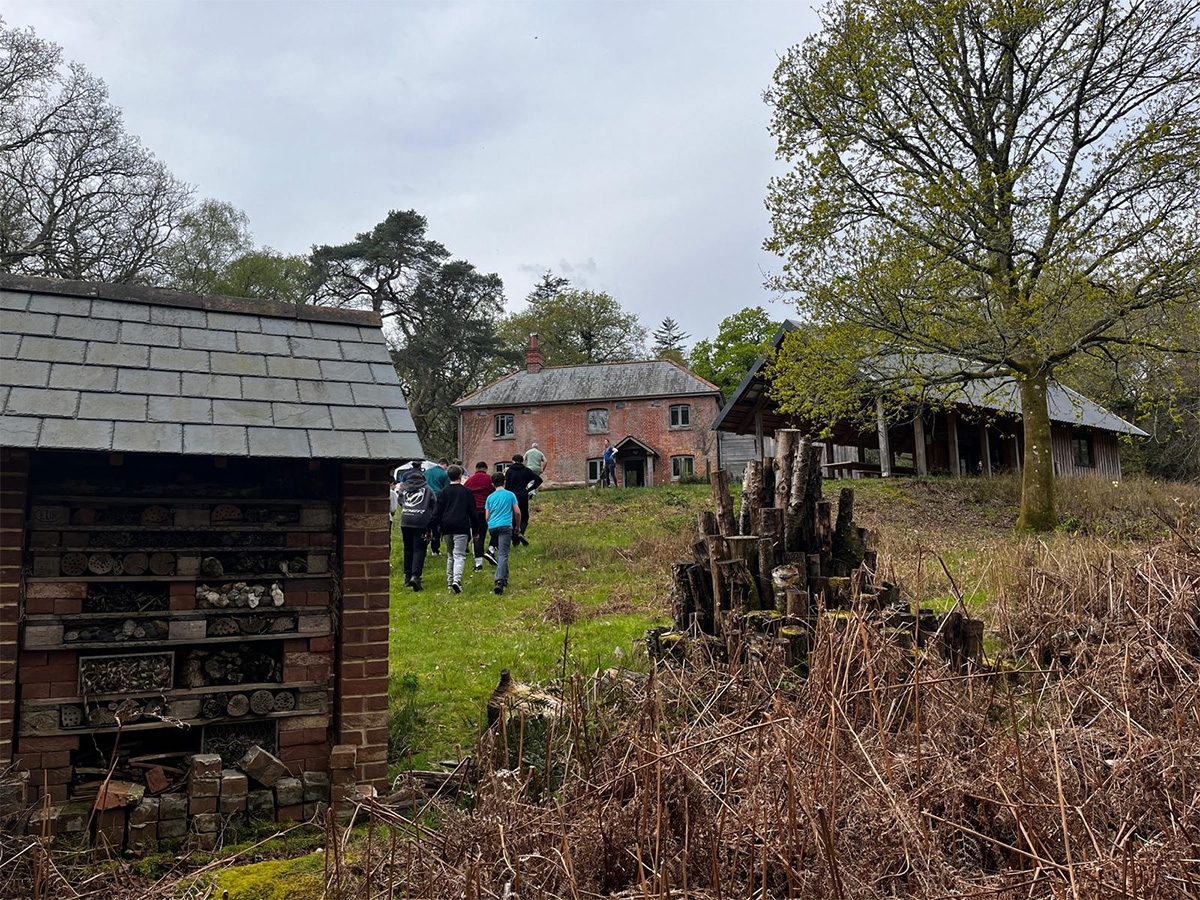
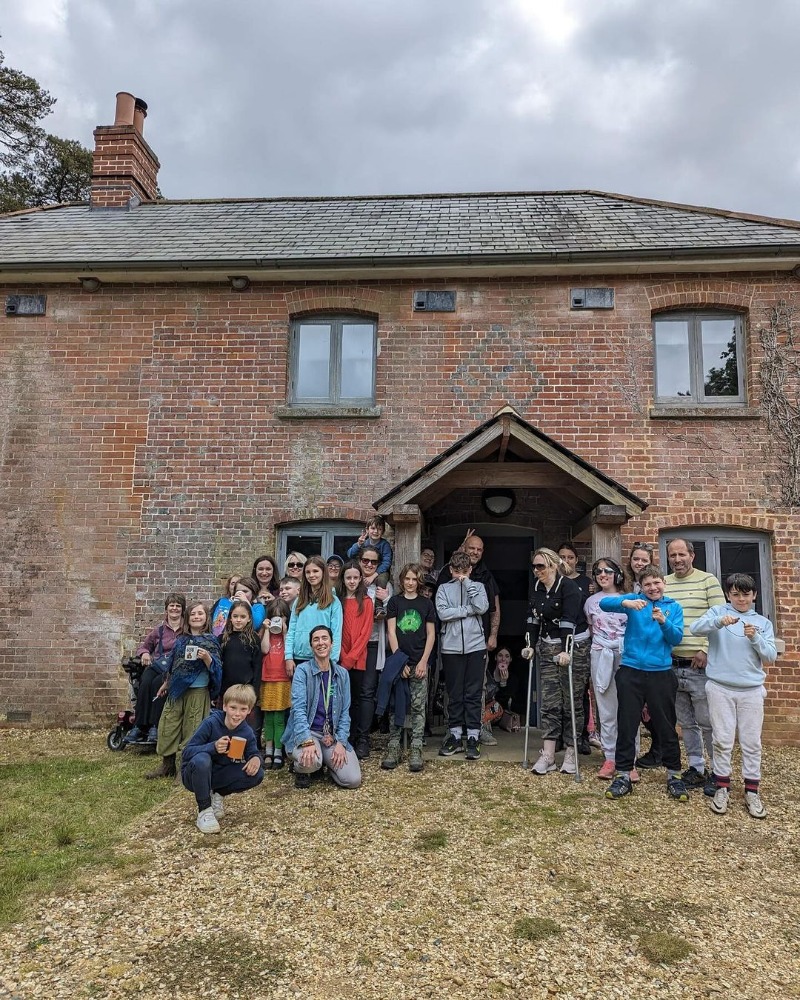
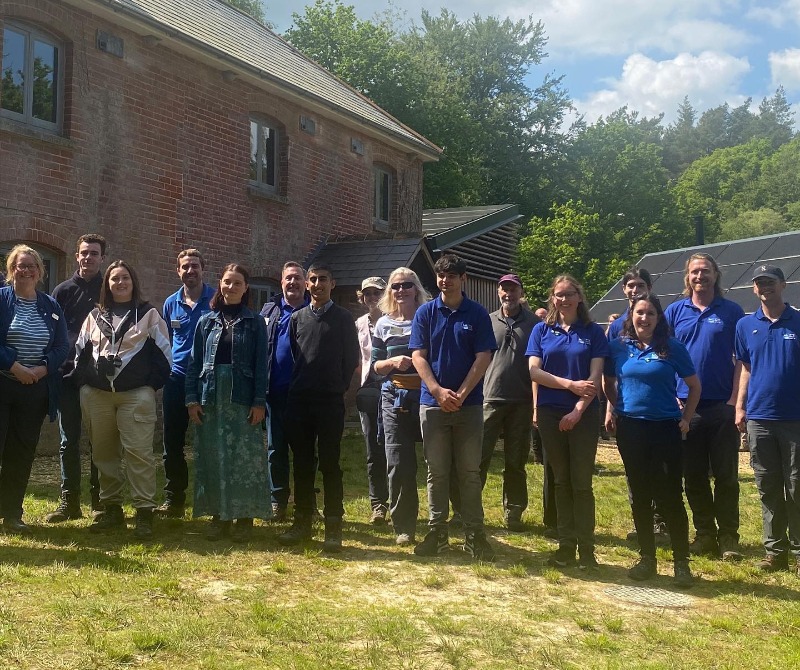
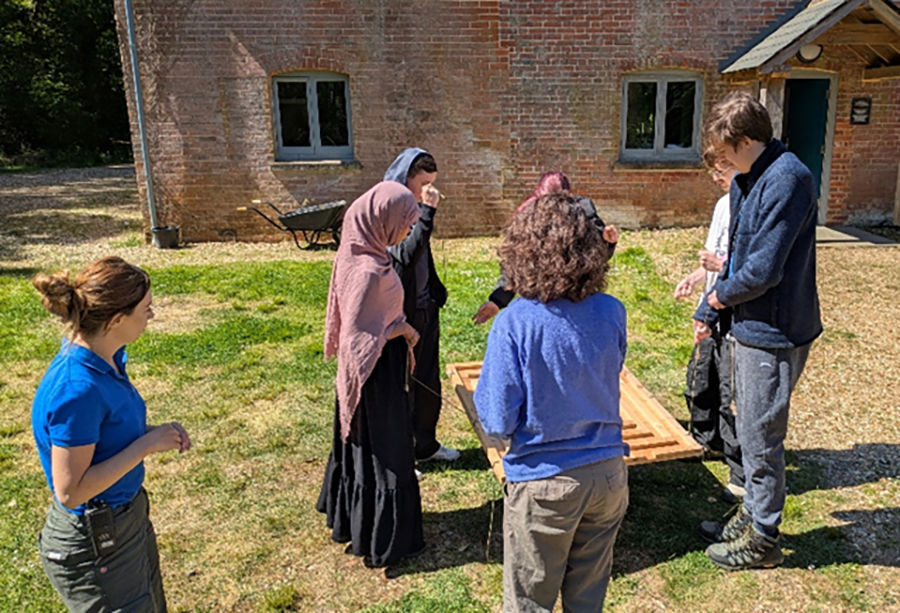 The group visits to the cottage have been rewarding

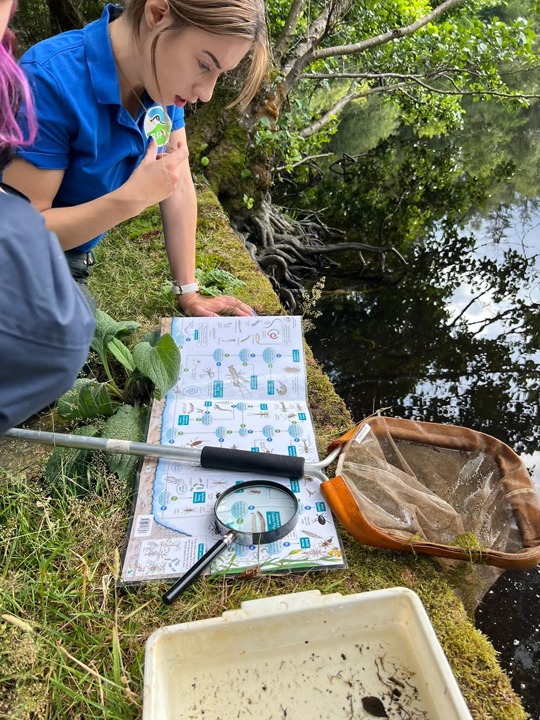
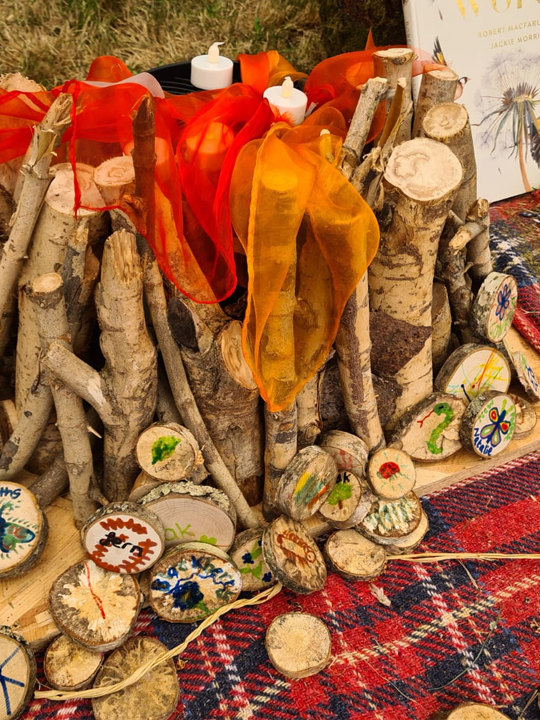
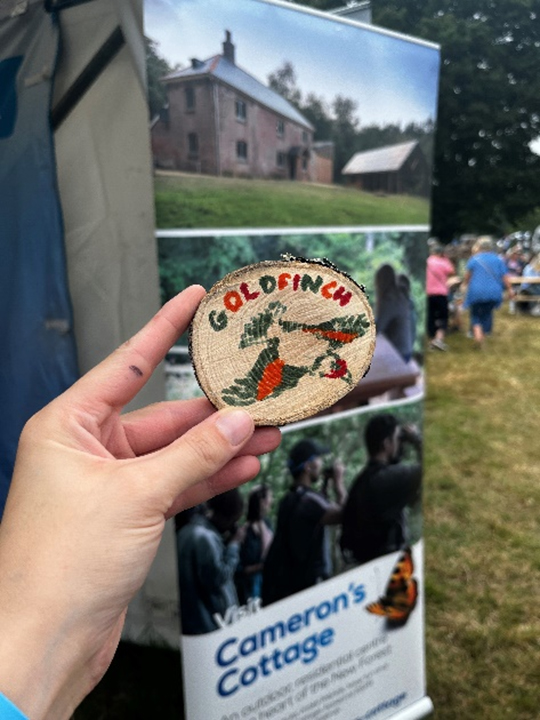
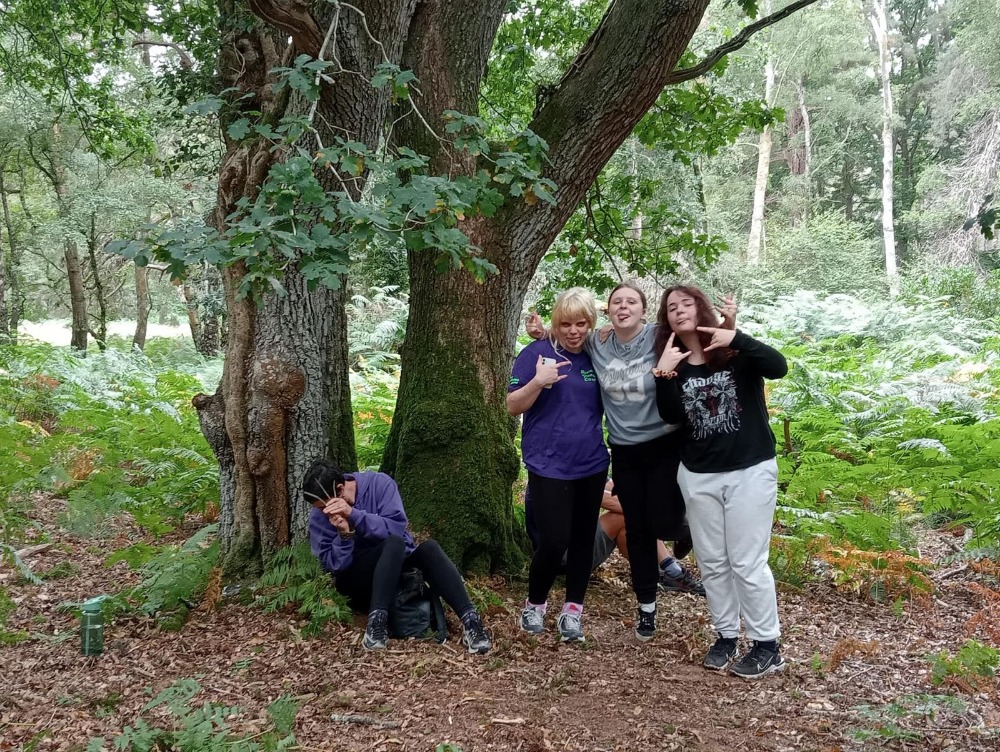
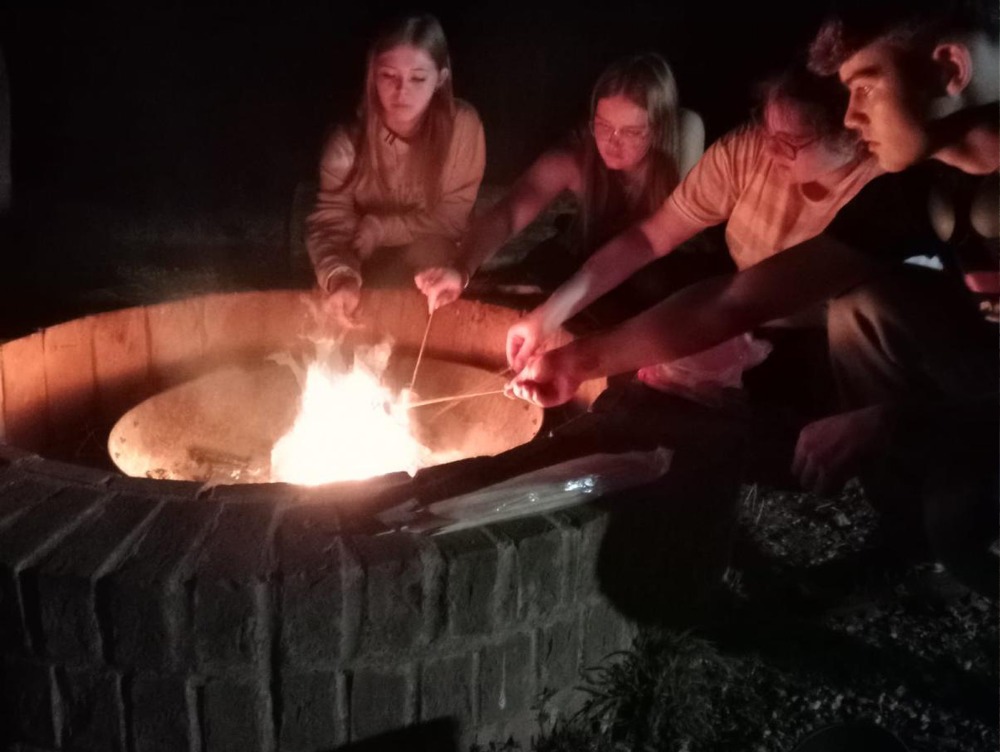
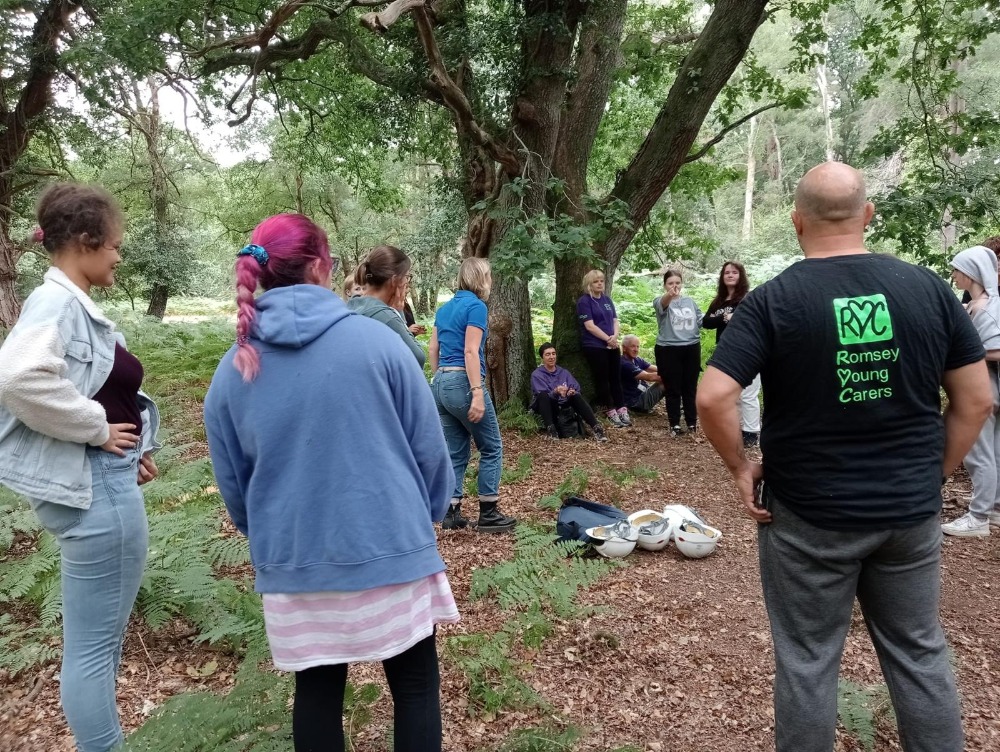
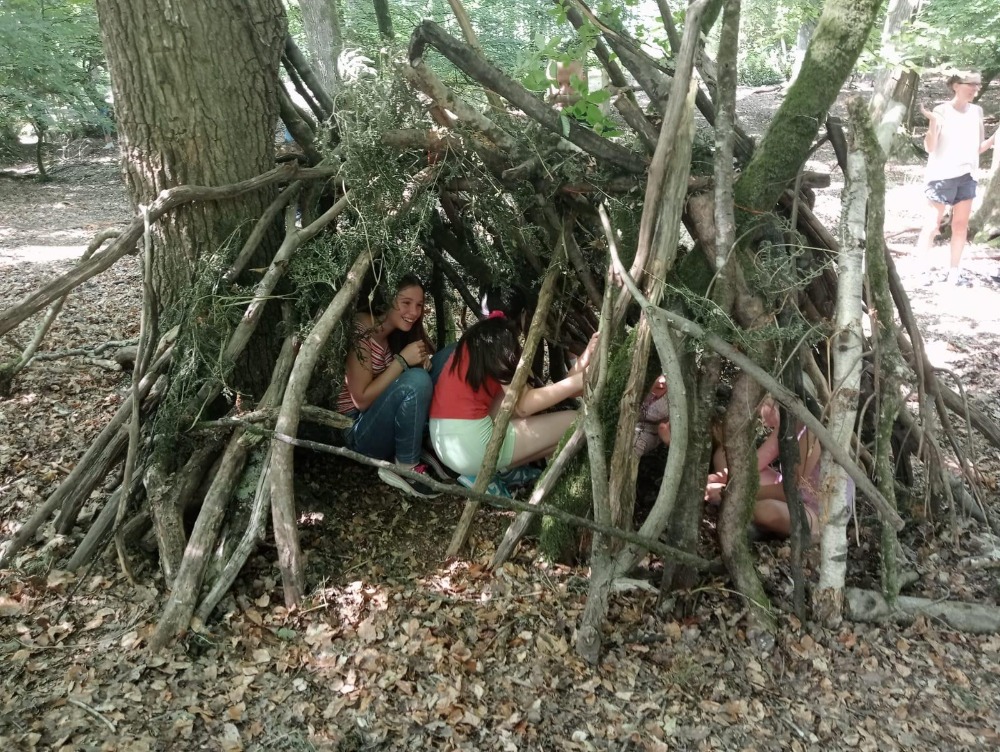
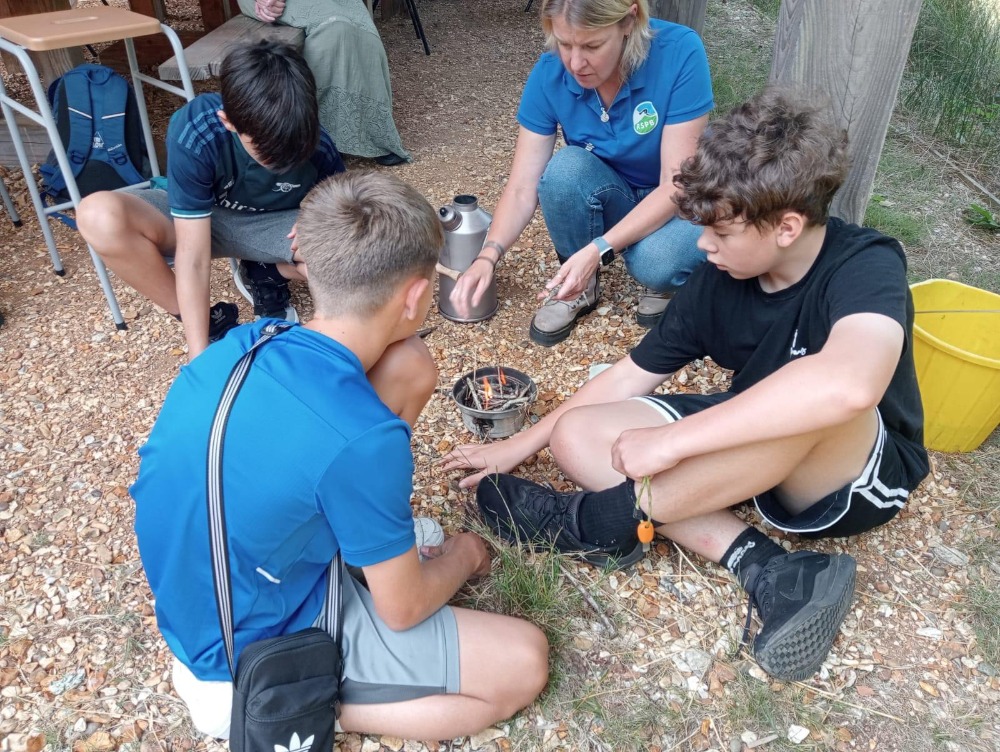
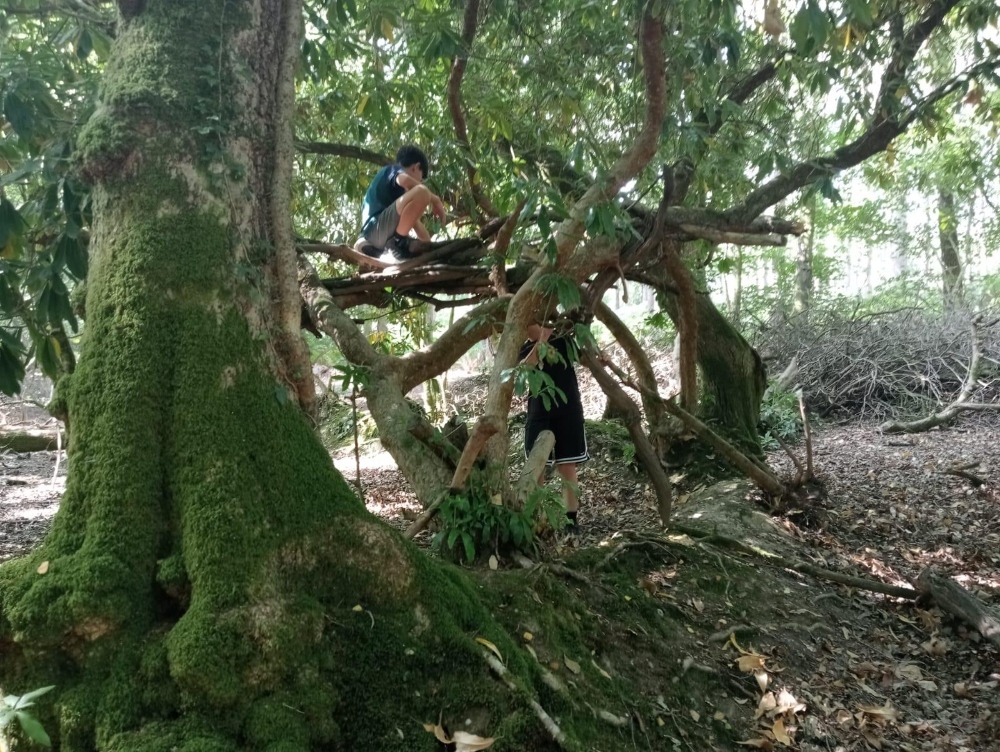
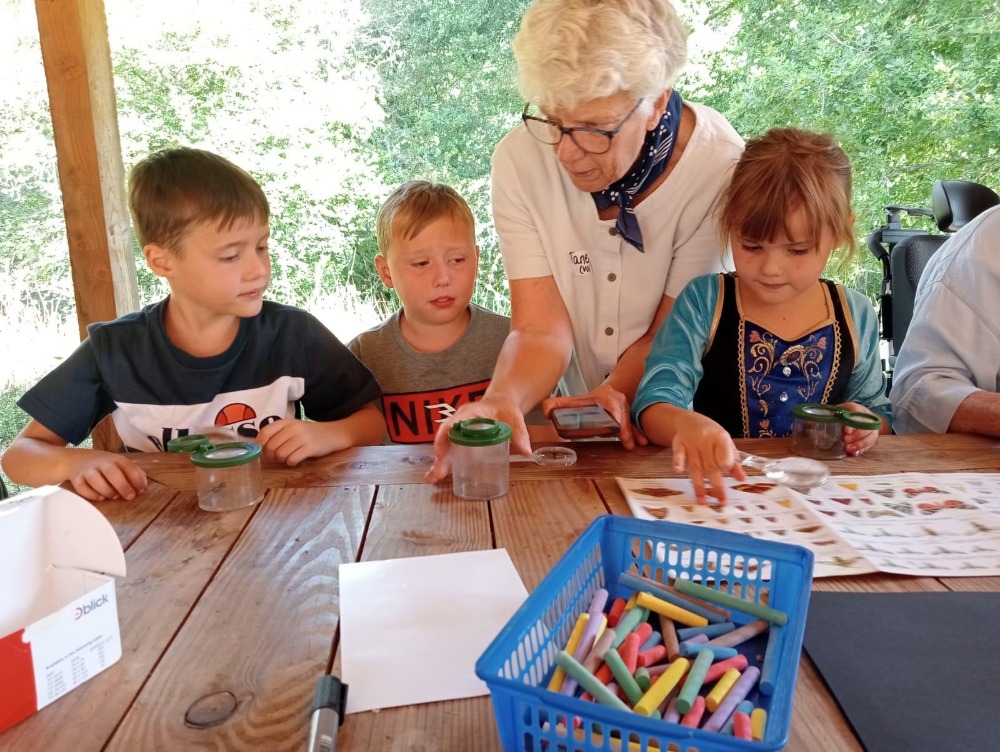
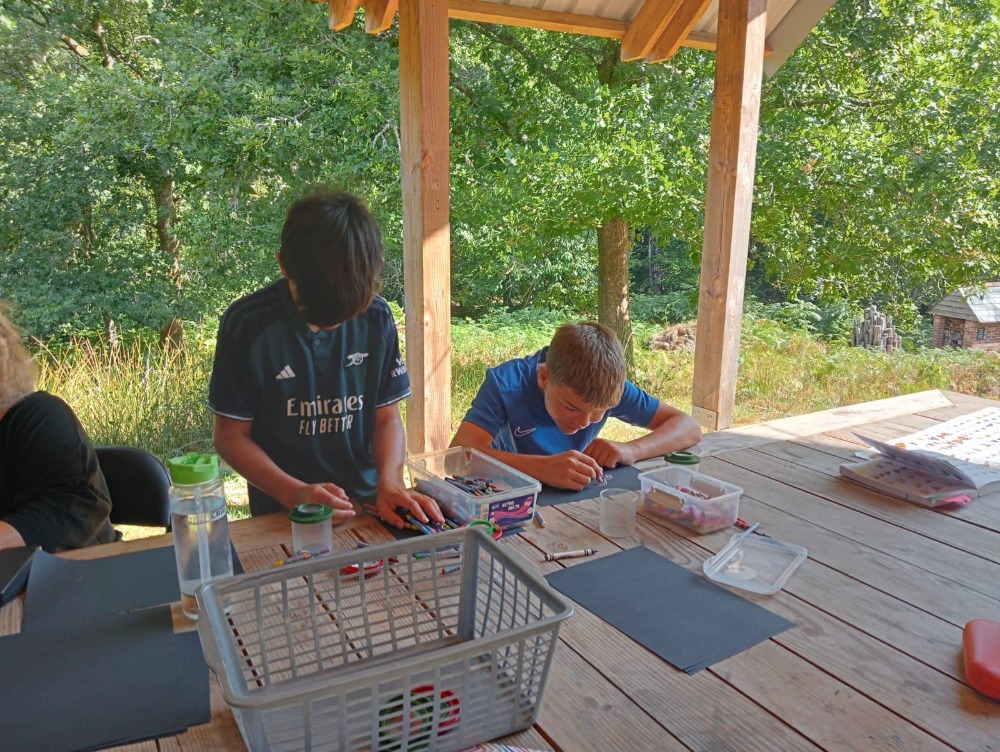
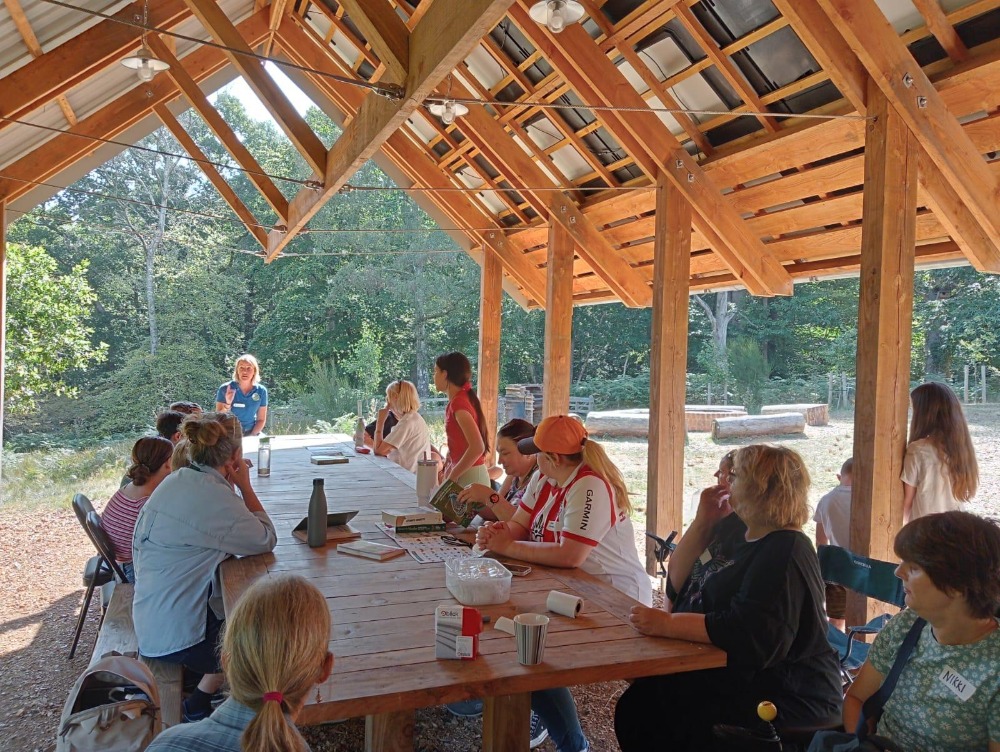
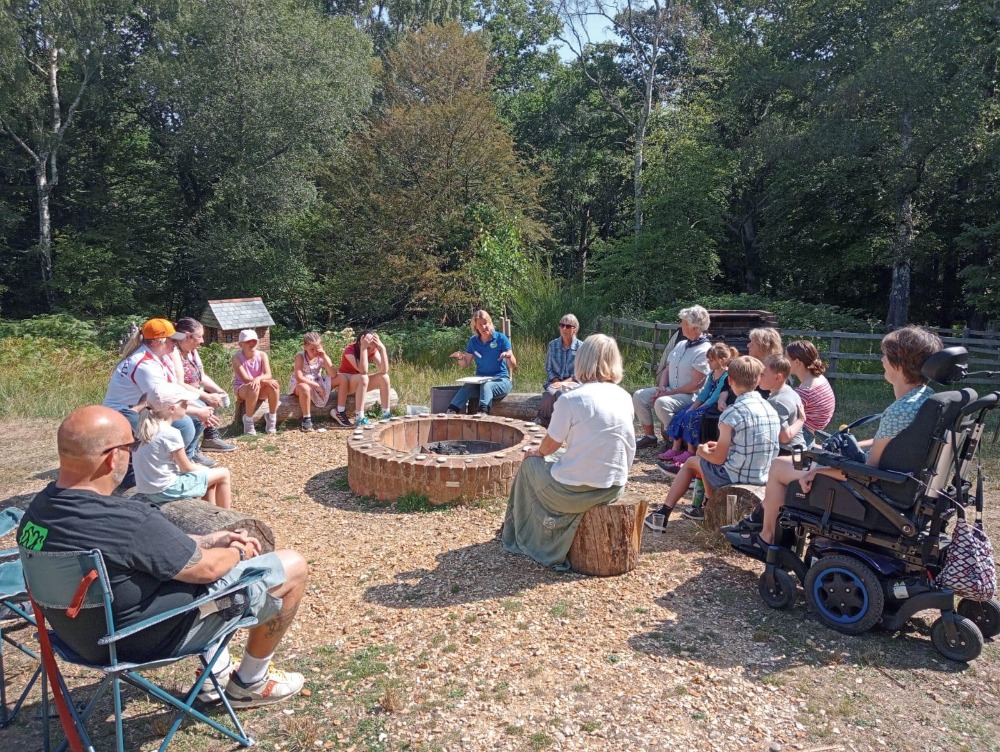
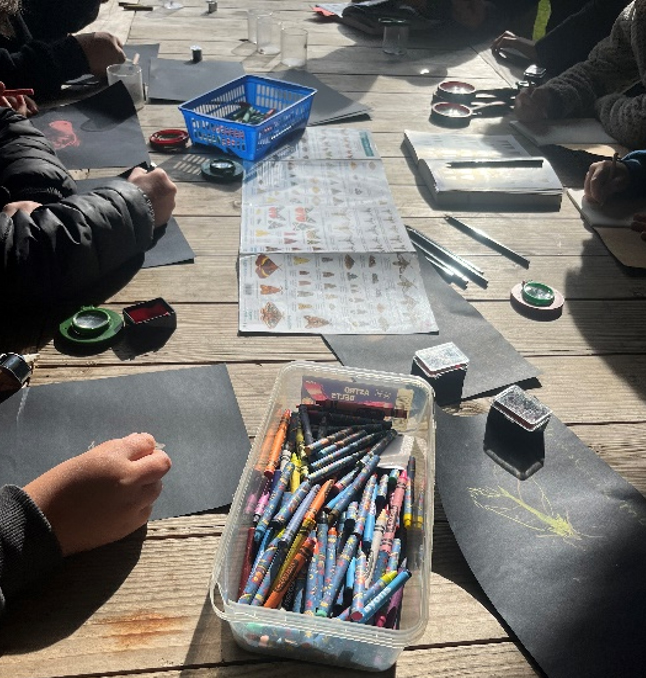
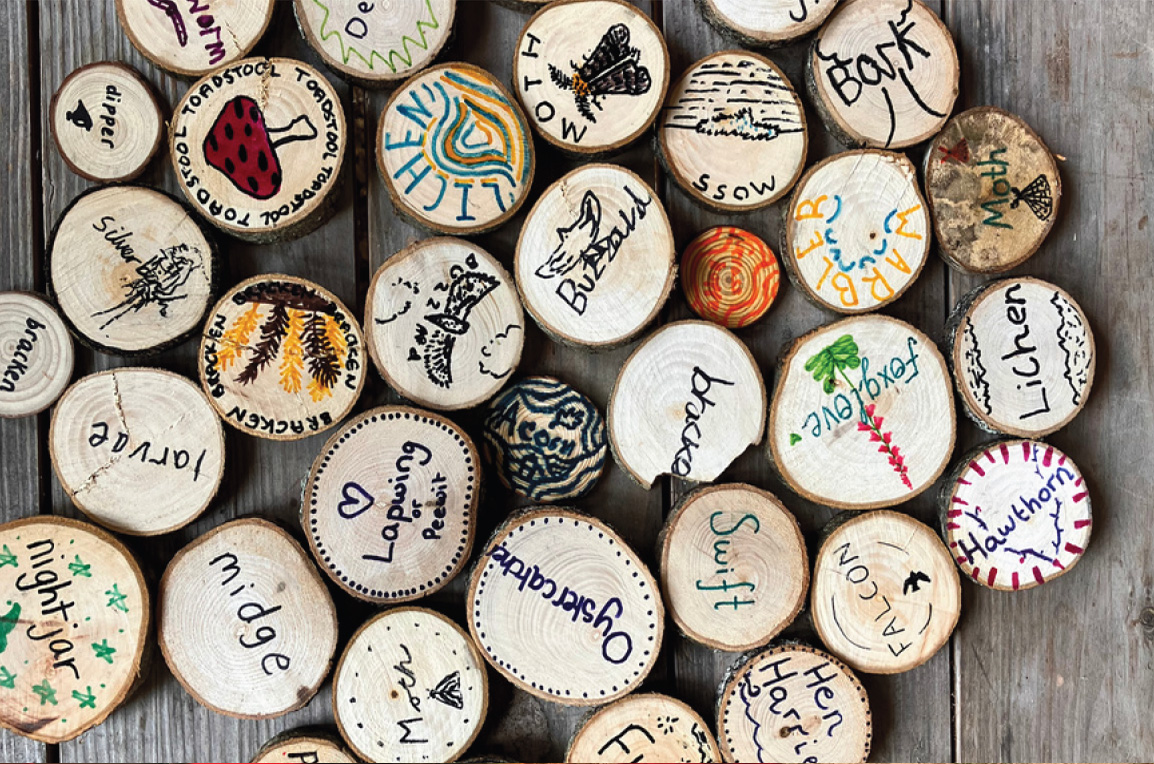
 Over the course of the week, about half of the kids kept a journal with sketches and phrases of things that they've been up to in the week, and they even drew a map of our nature walk so they could find their way home if they got lost.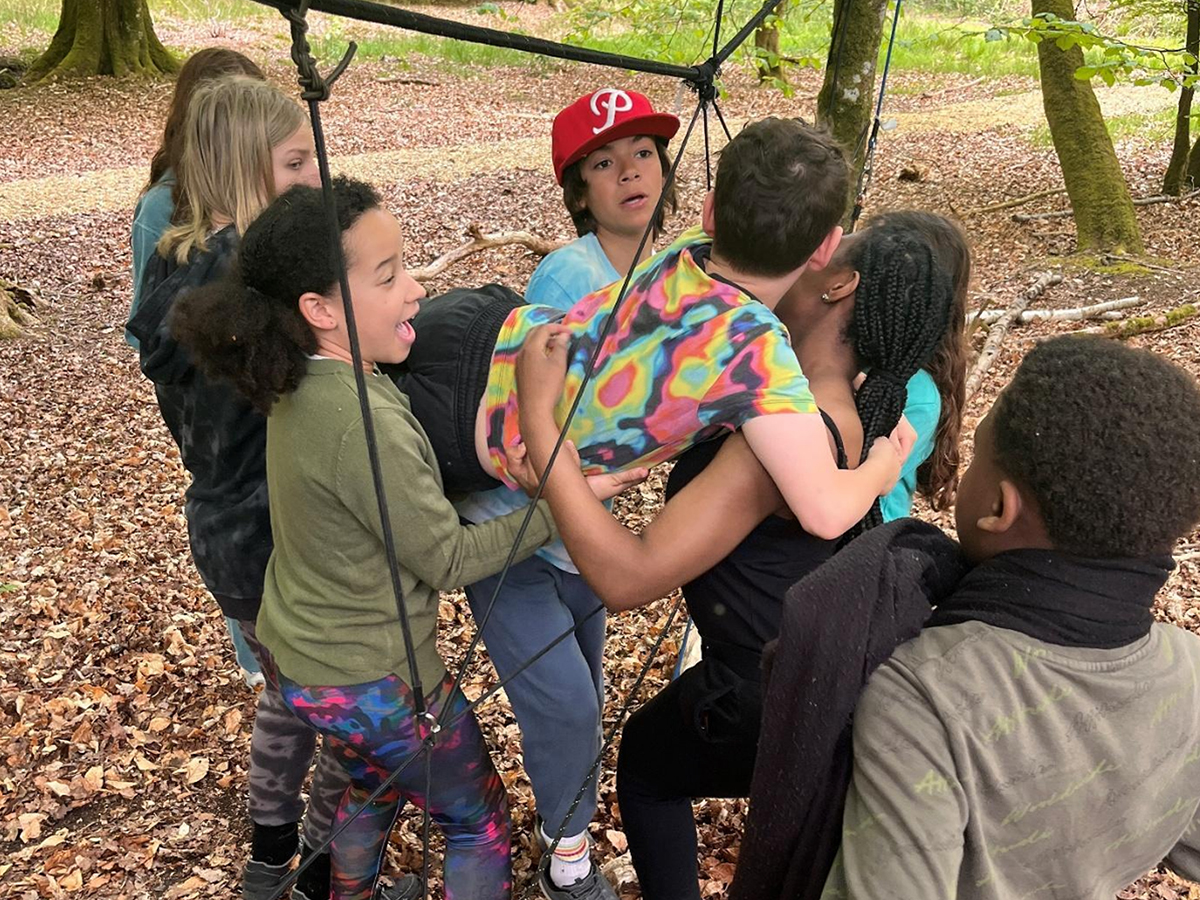
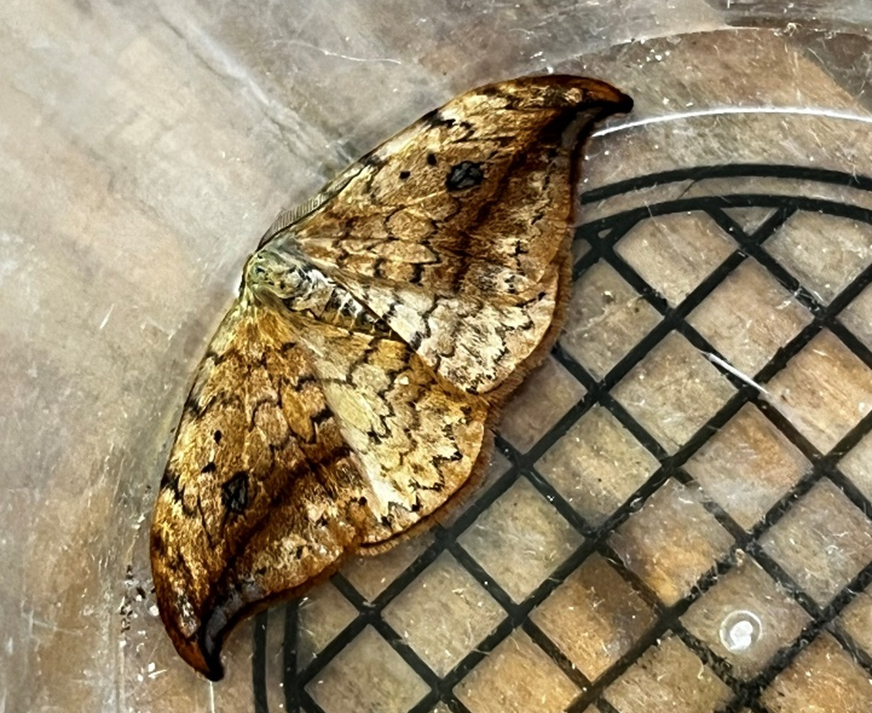
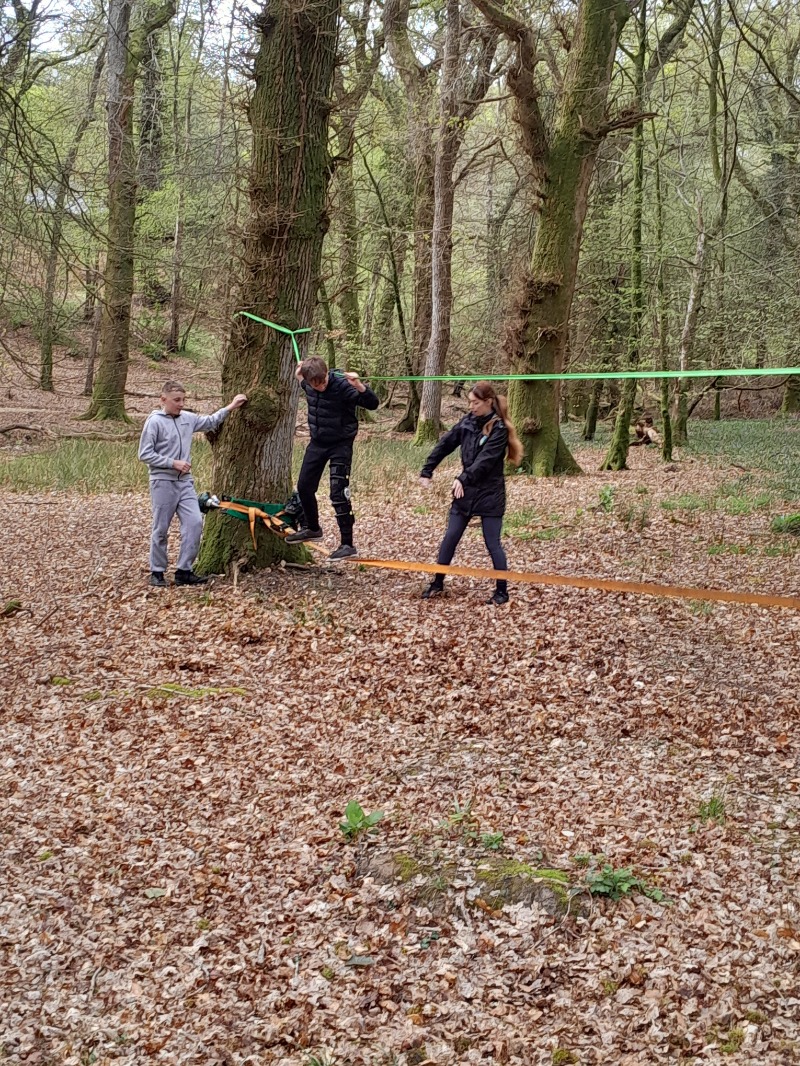
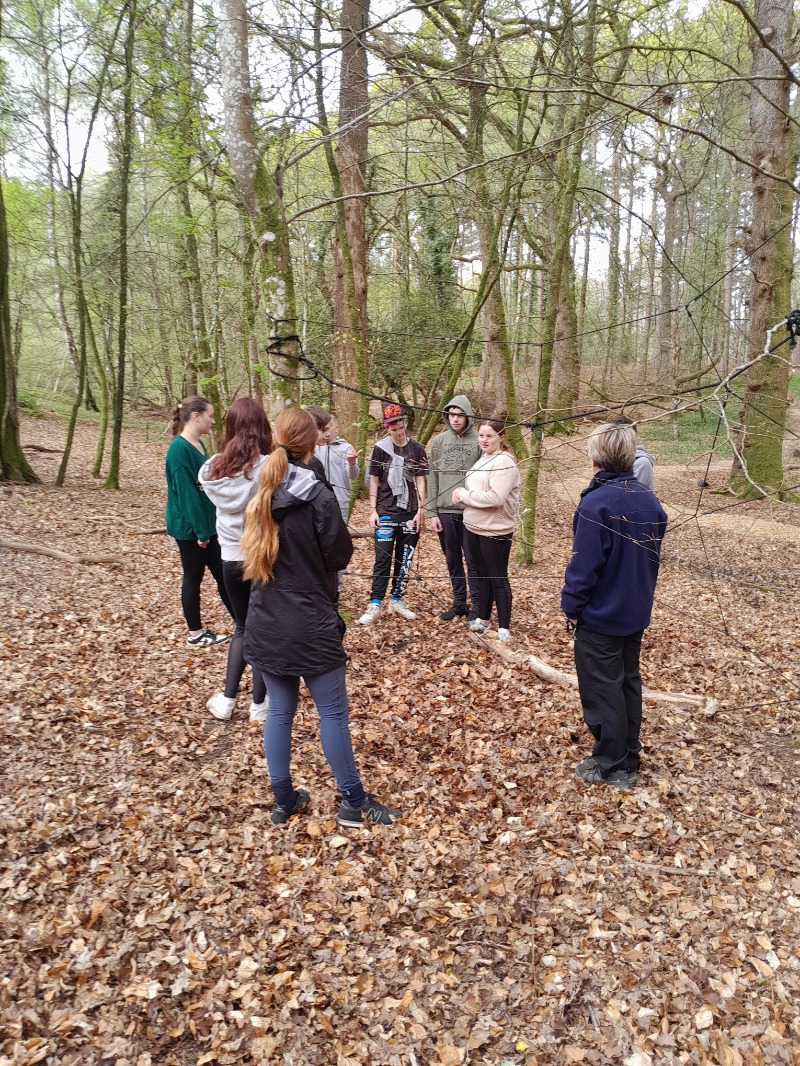
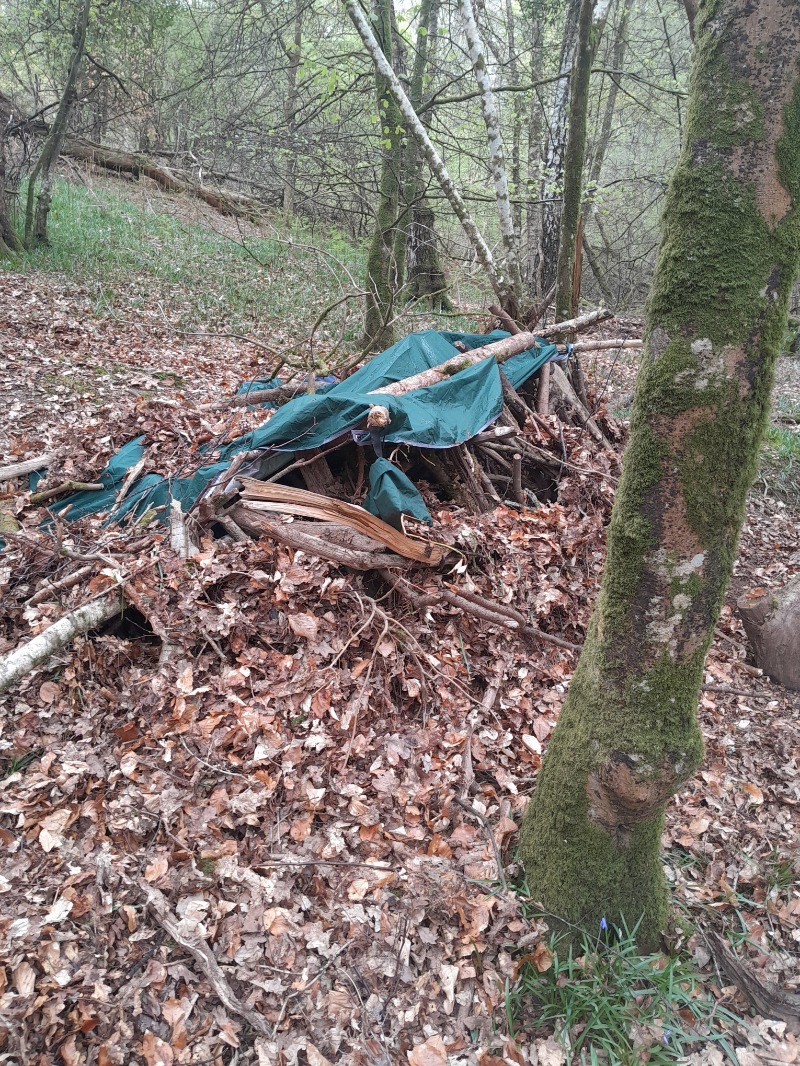
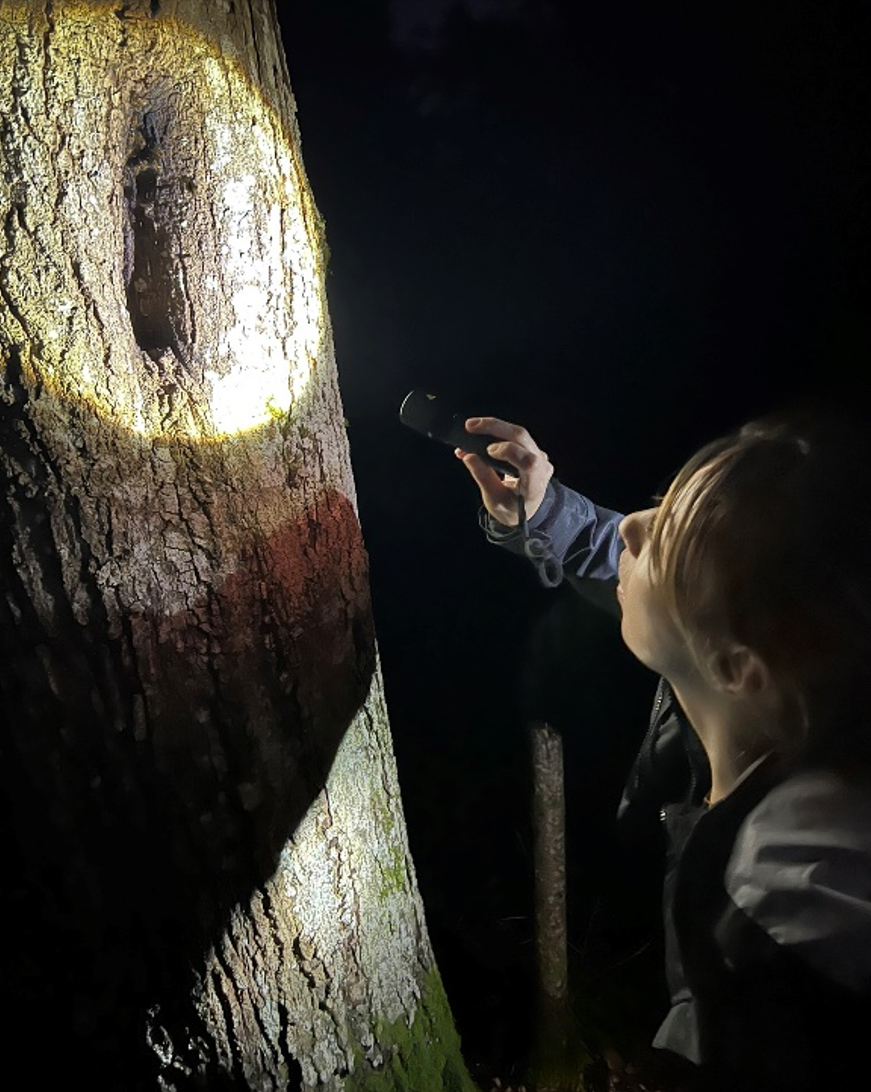
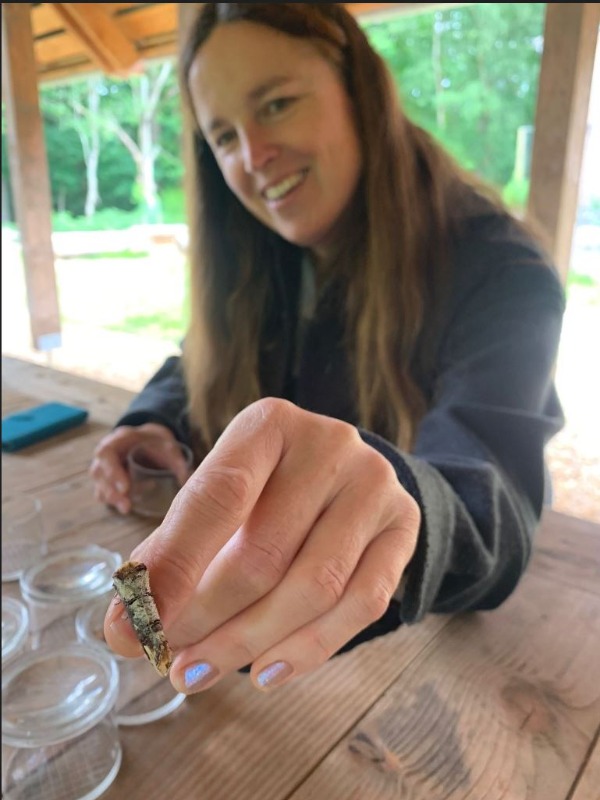
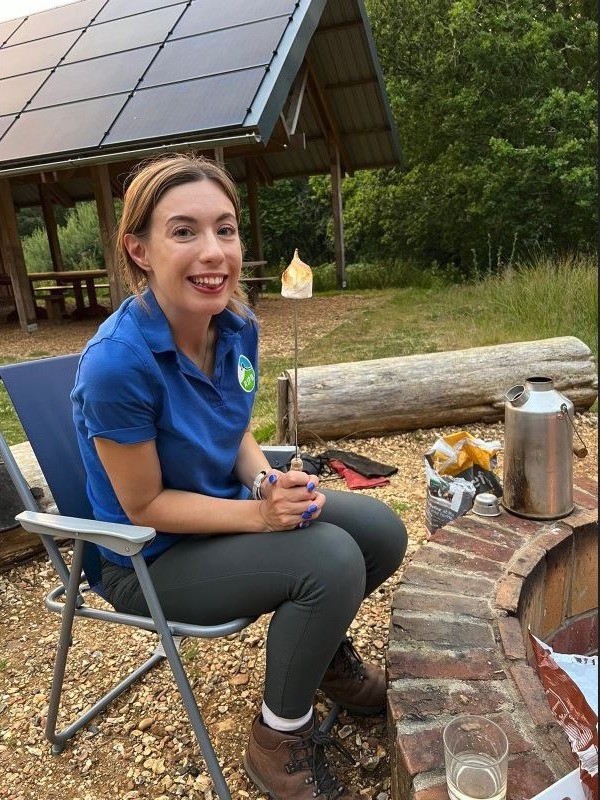
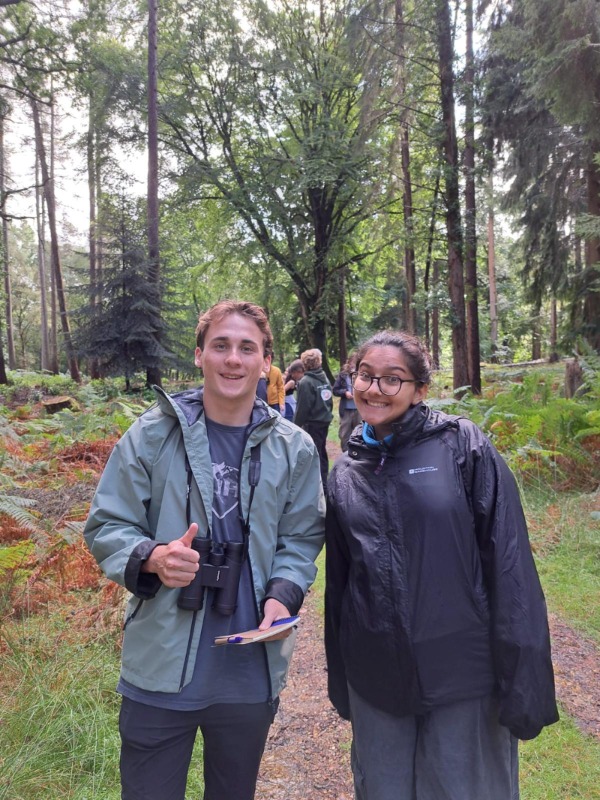
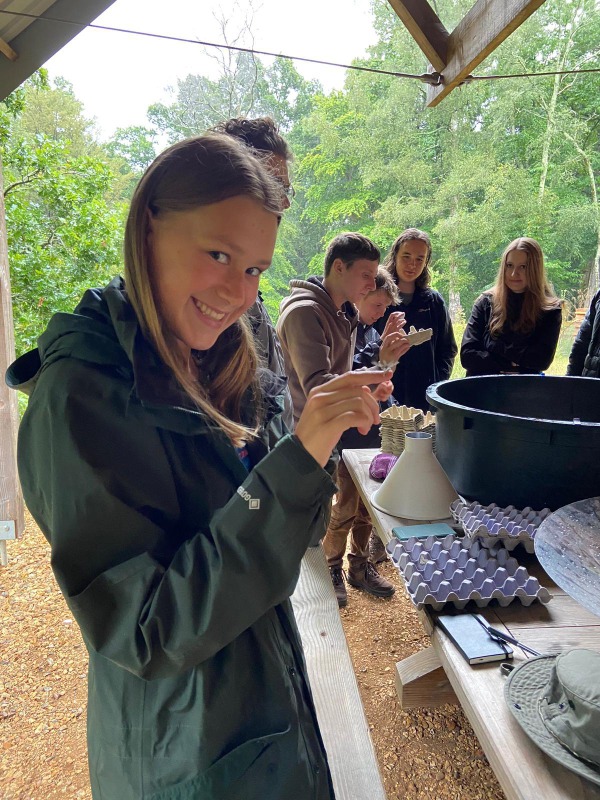
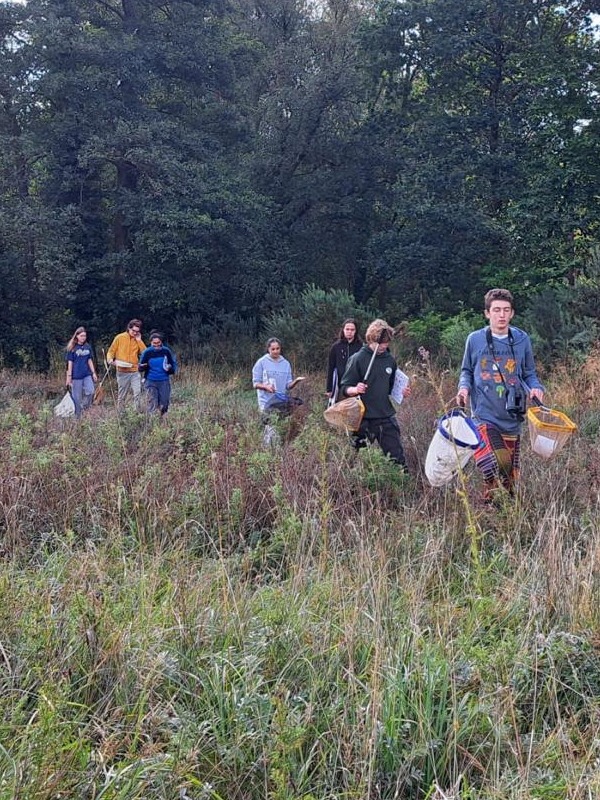
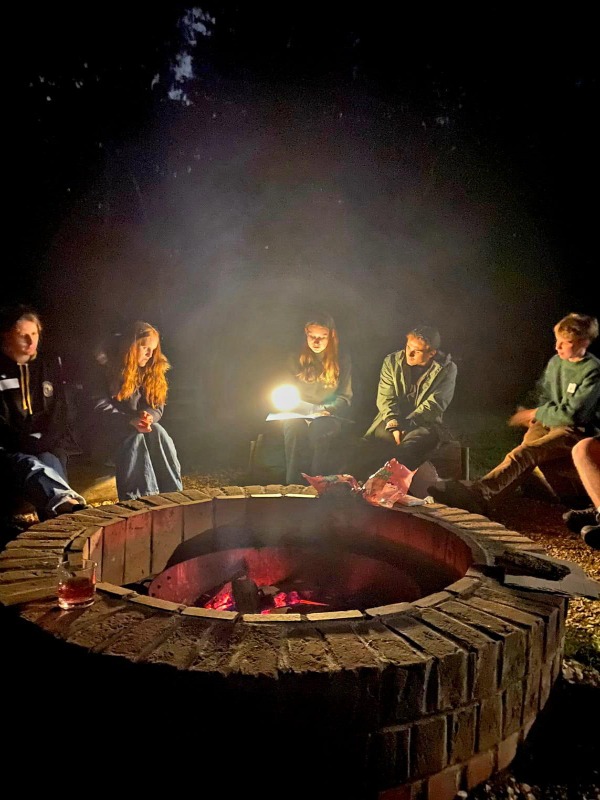
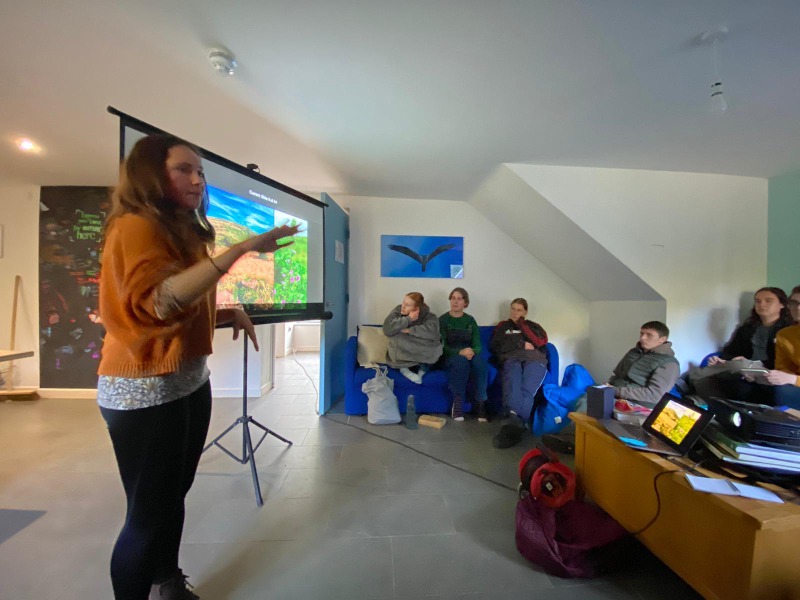
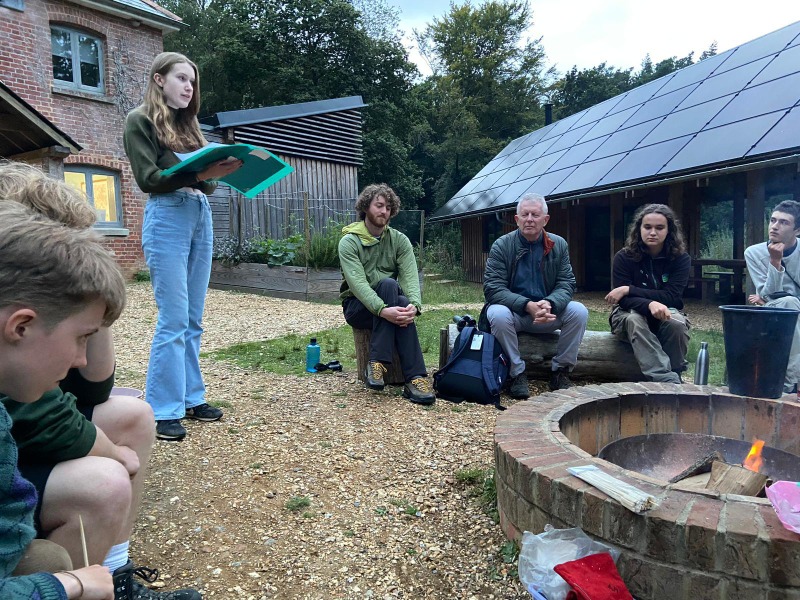
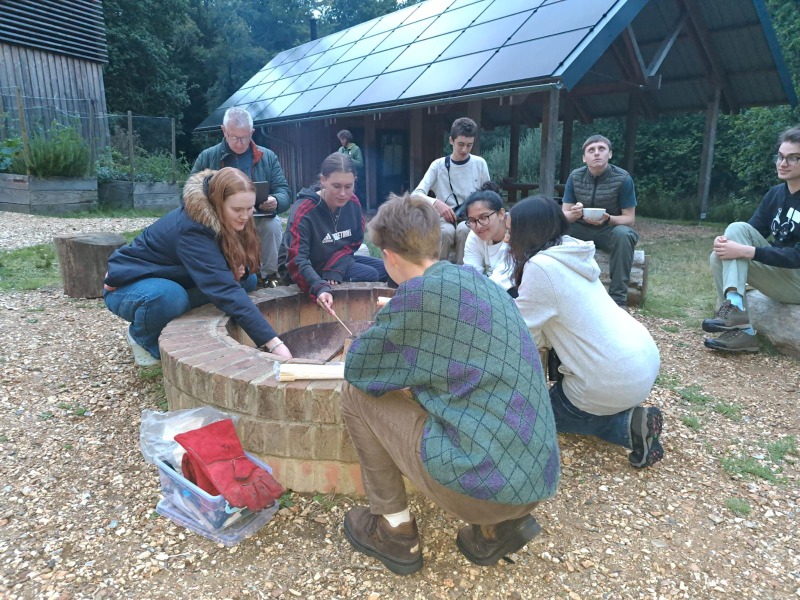
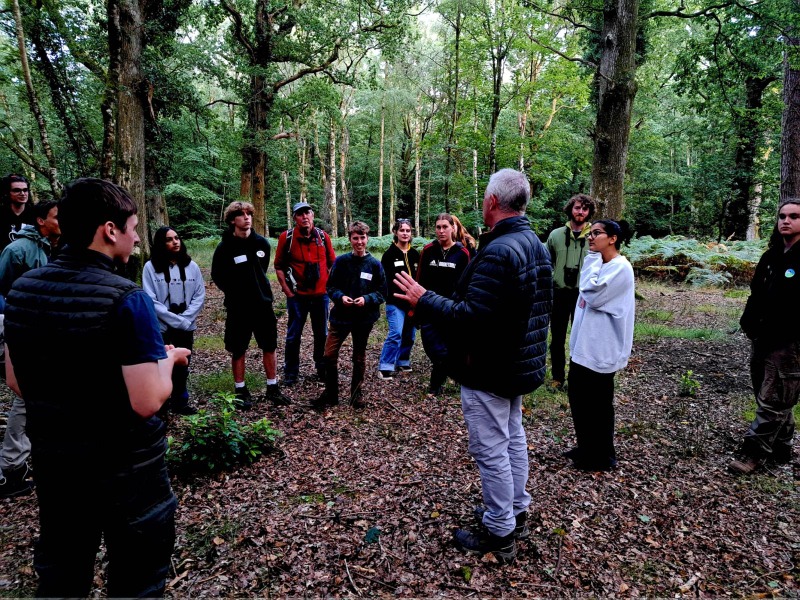
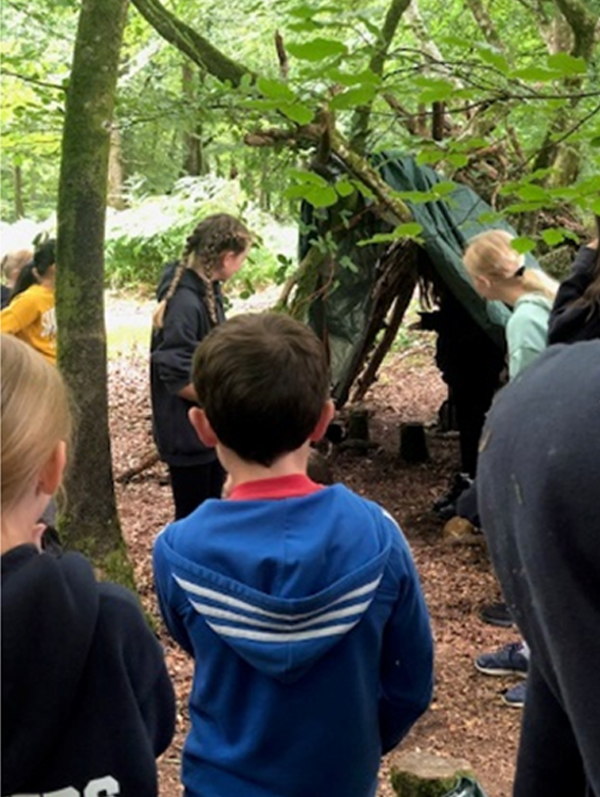
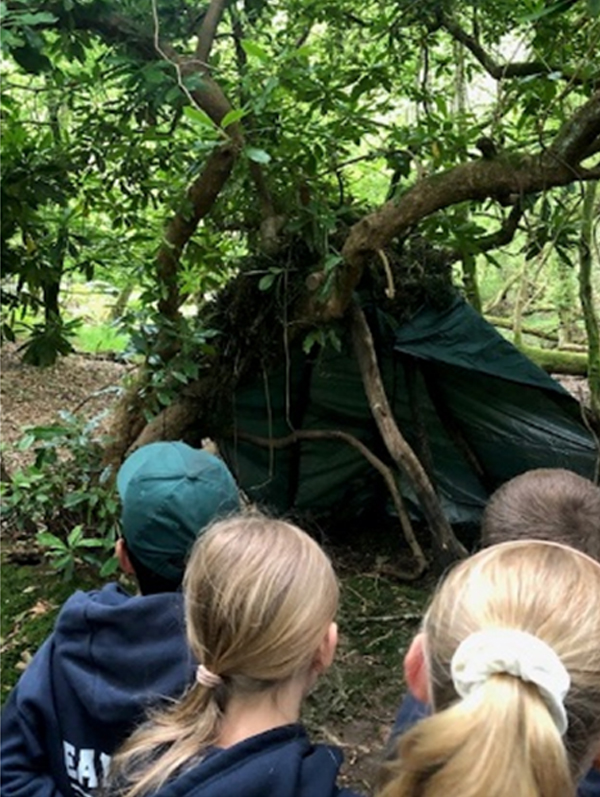
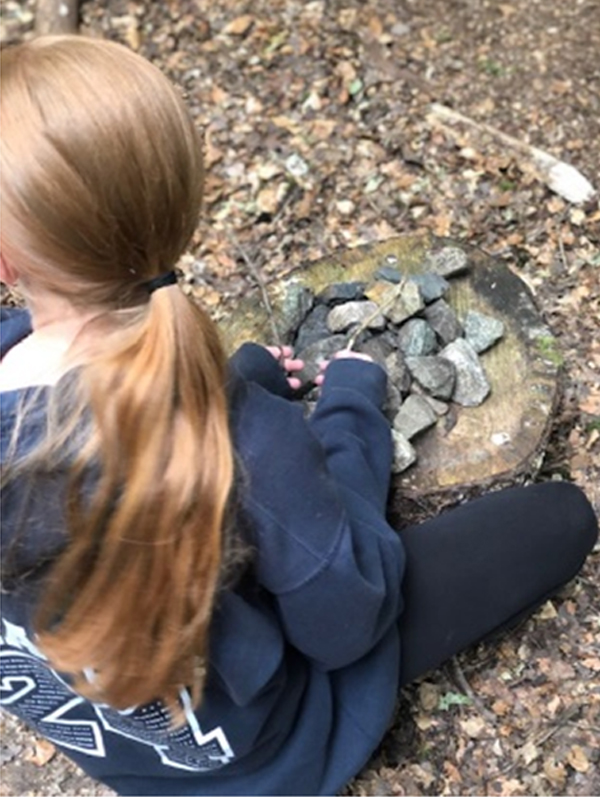
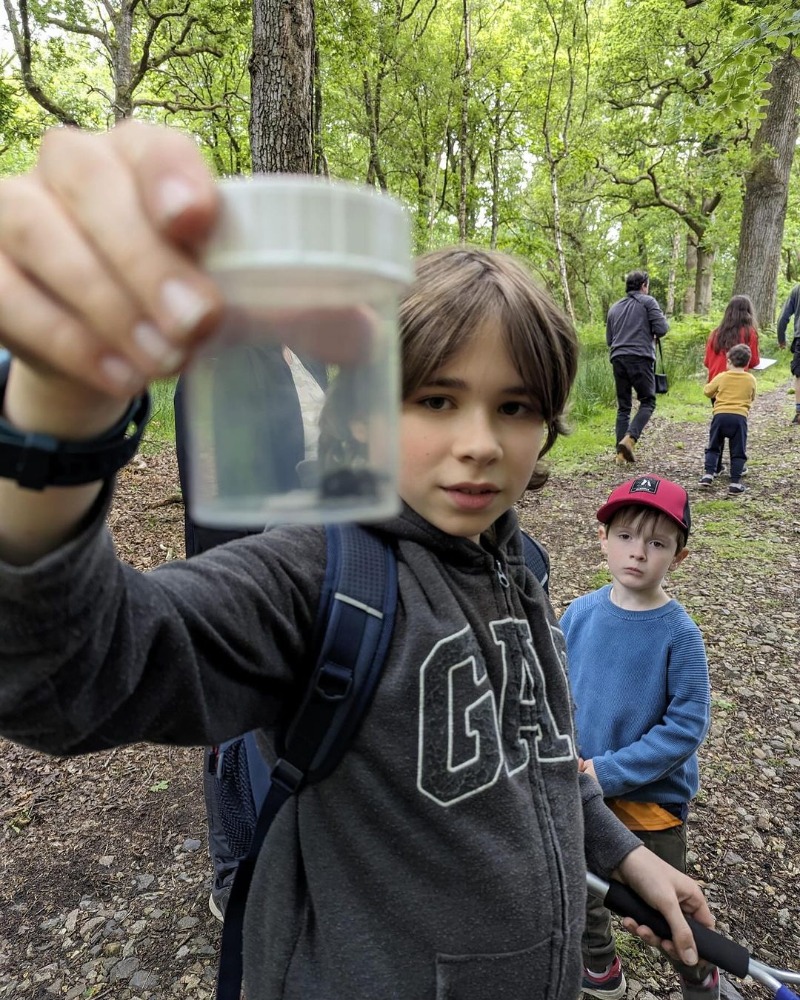
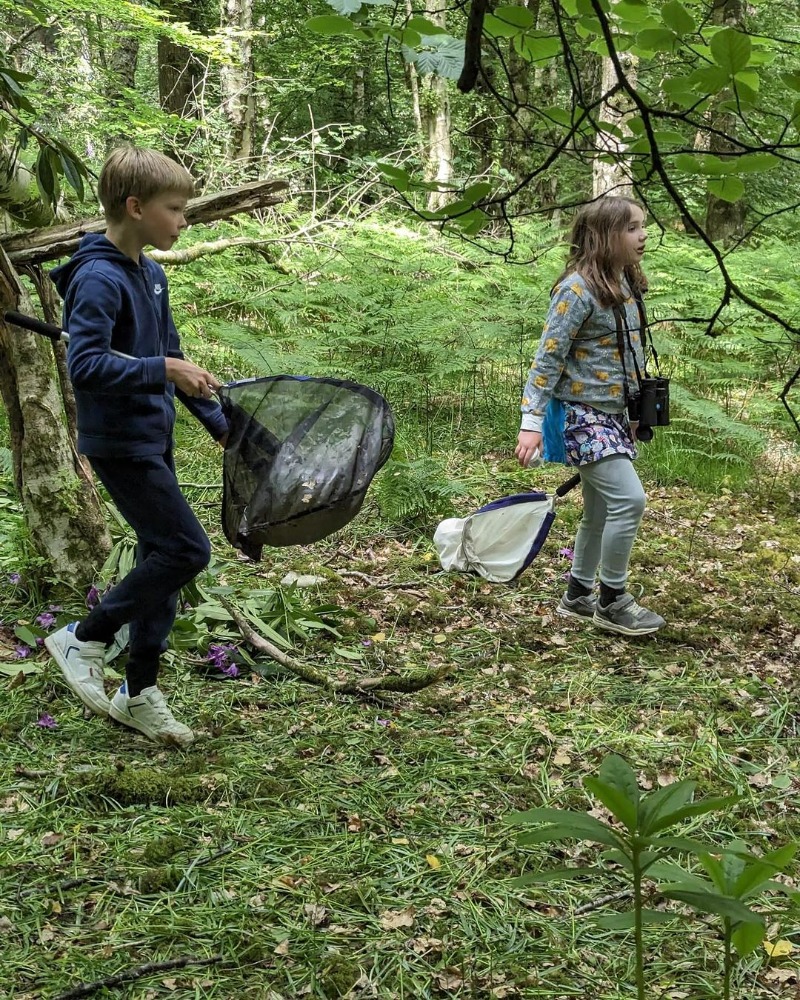
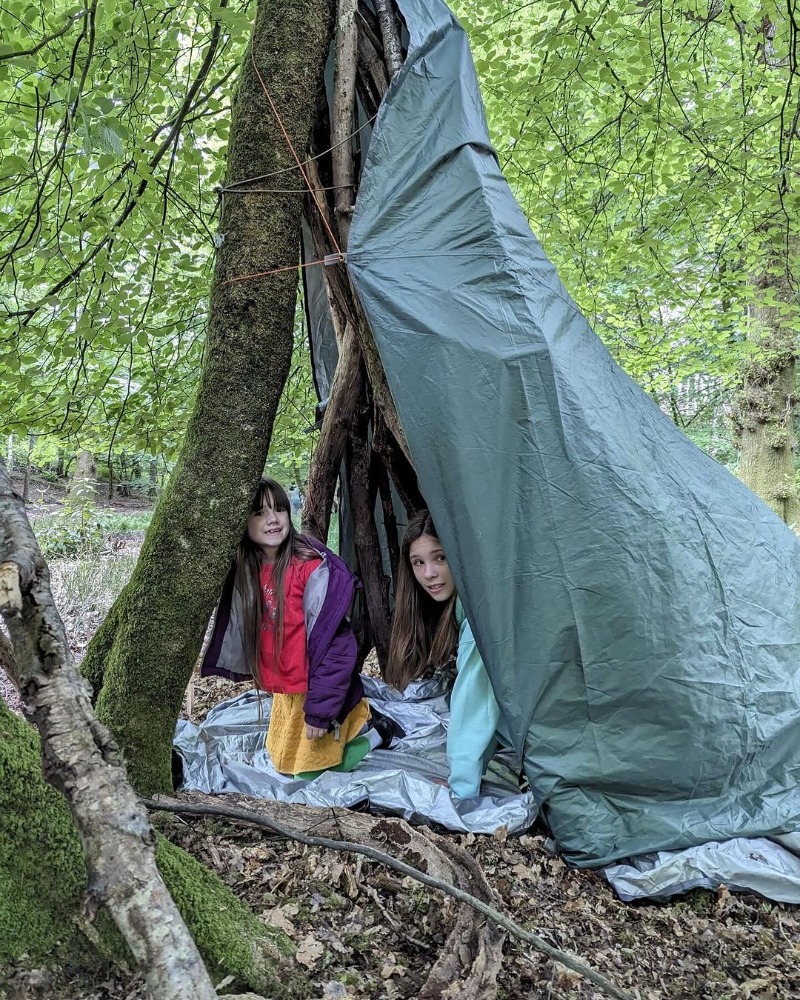
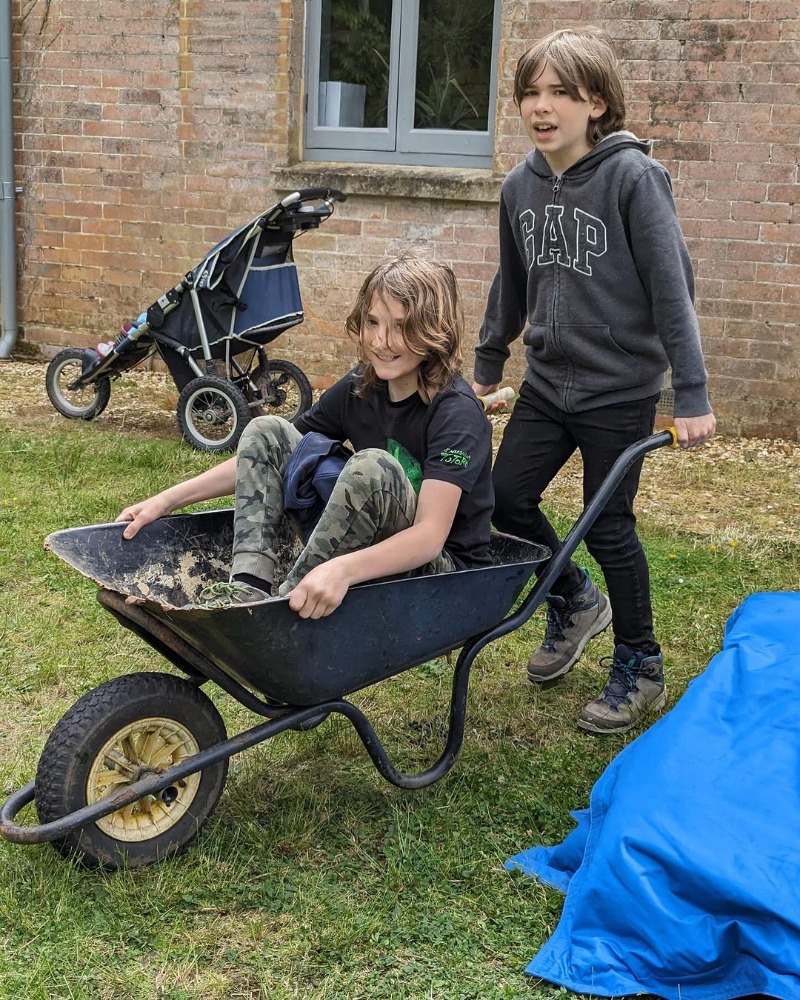

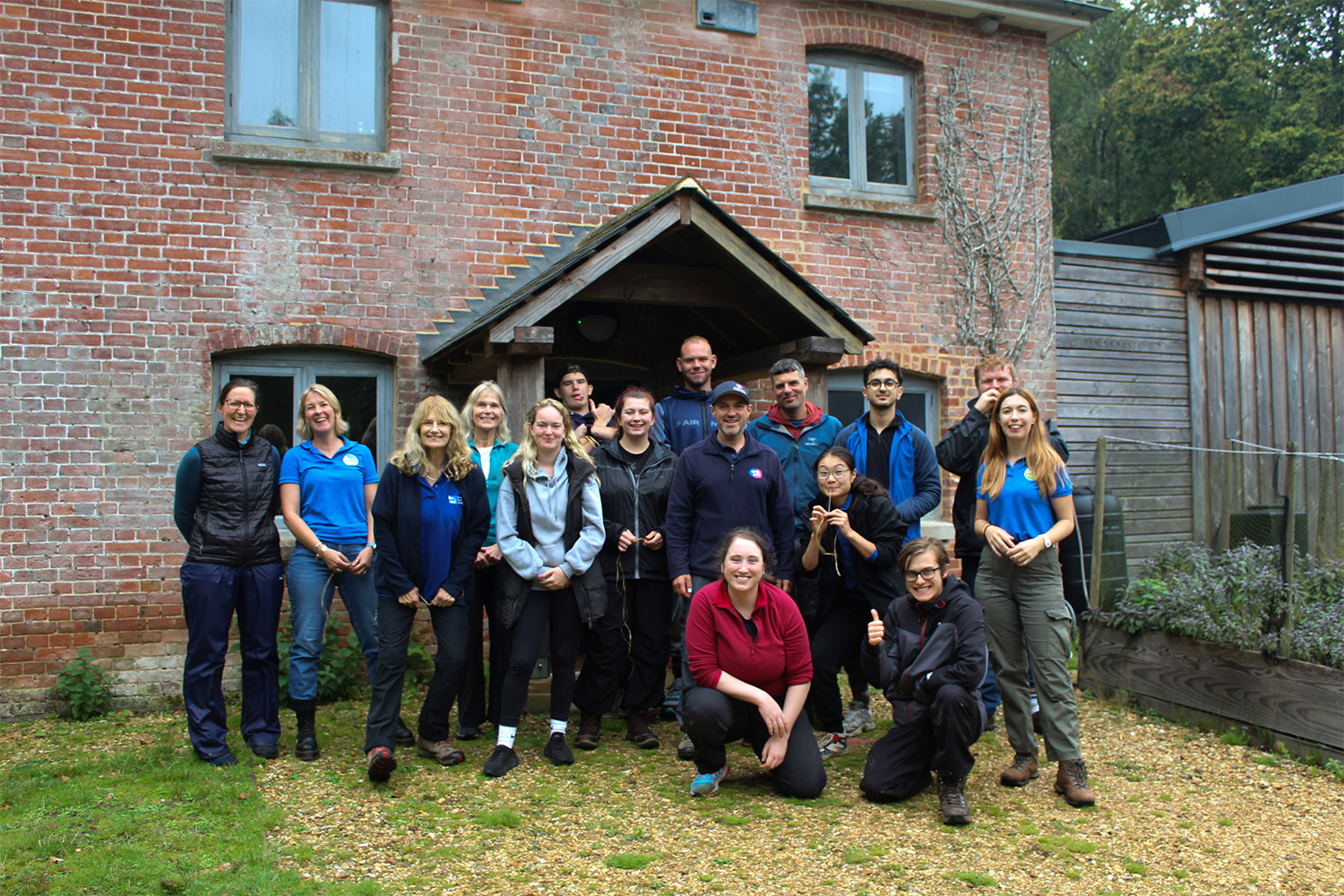
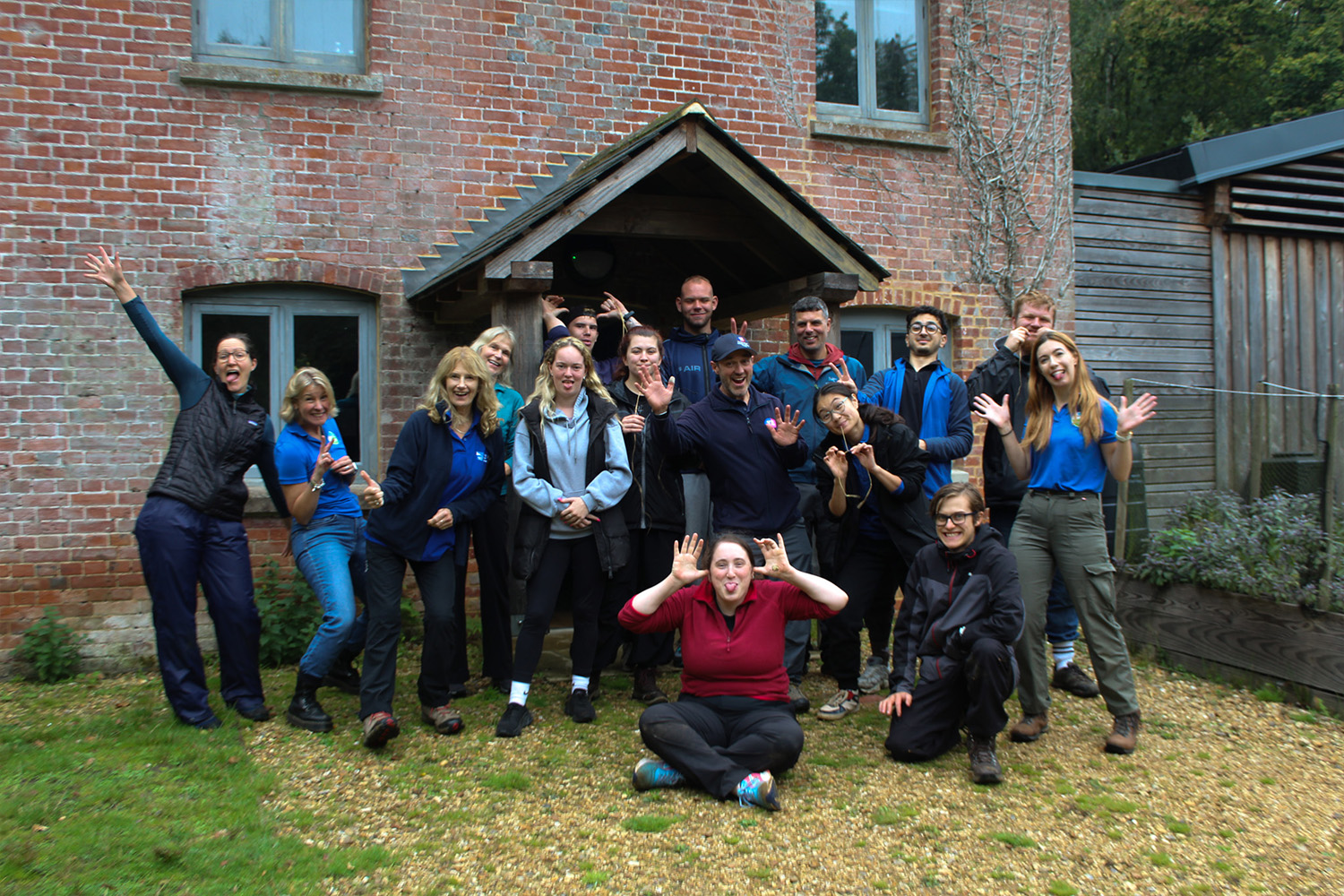
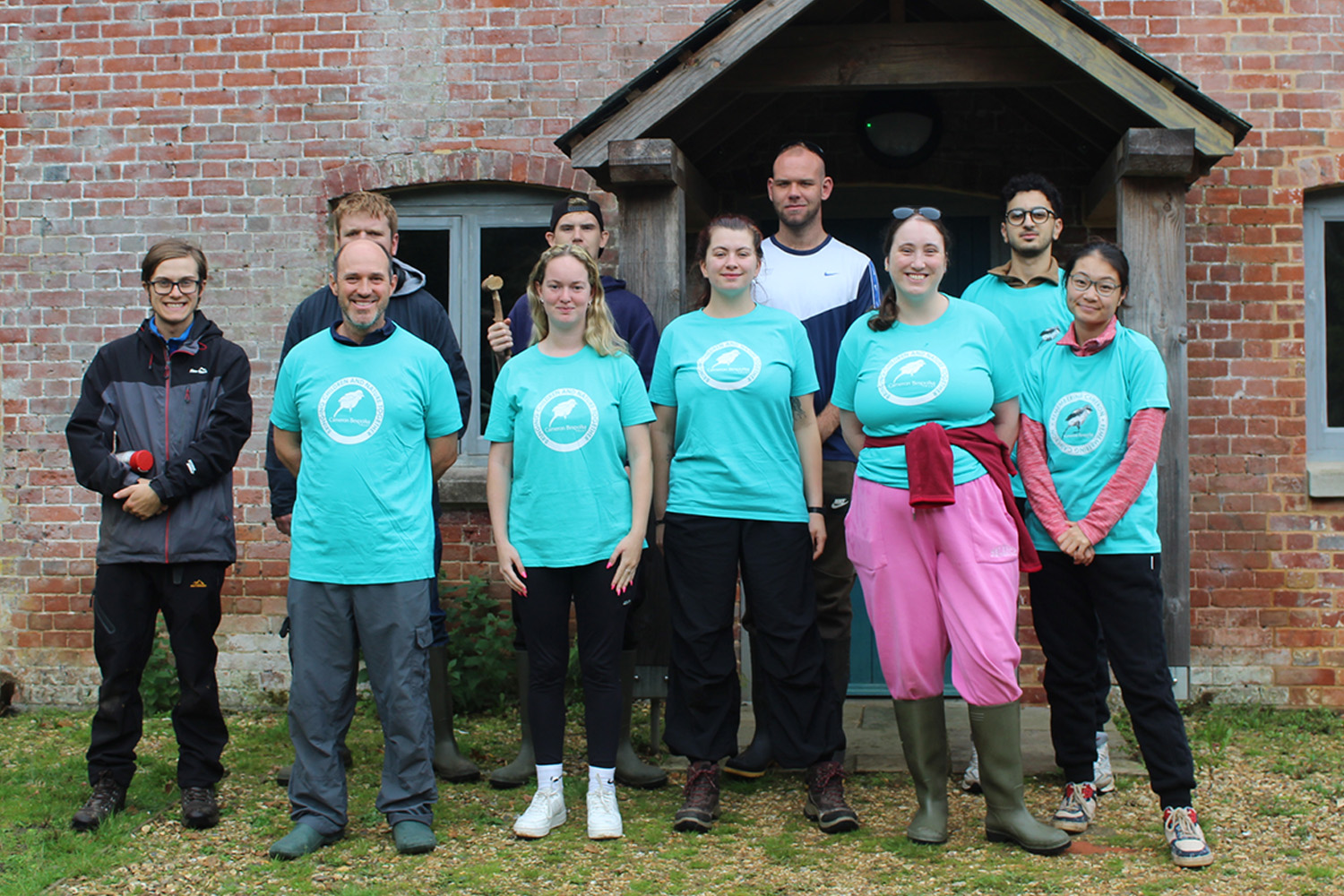

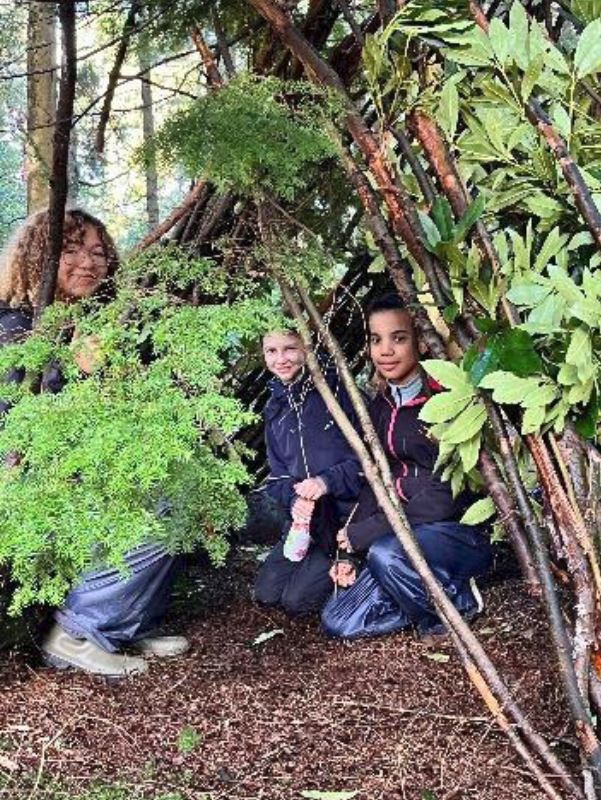
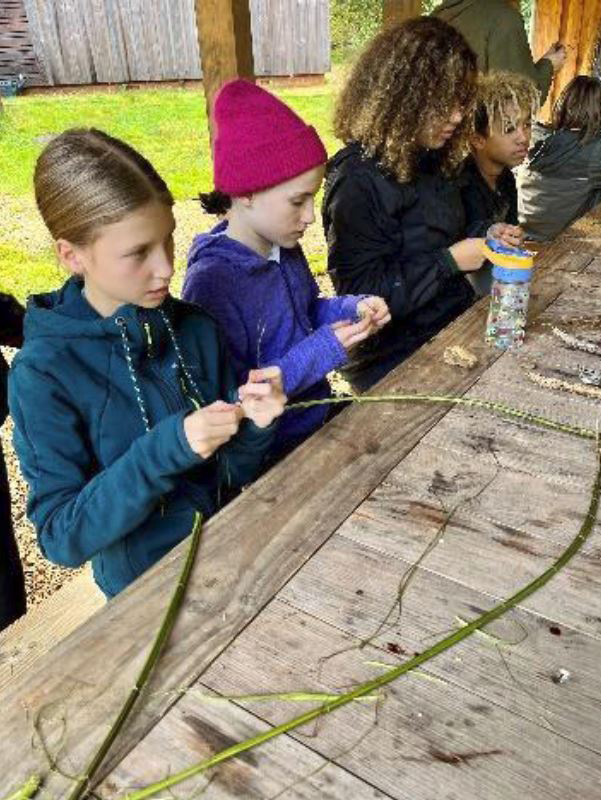
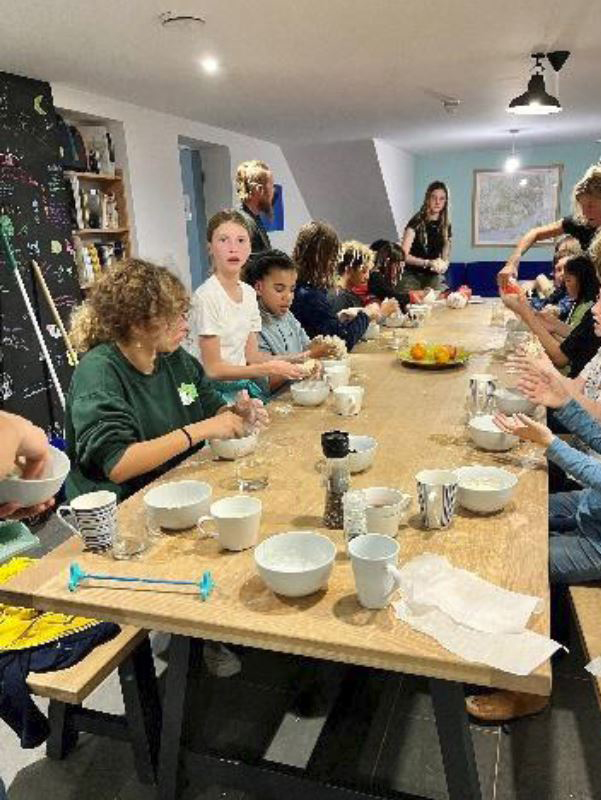
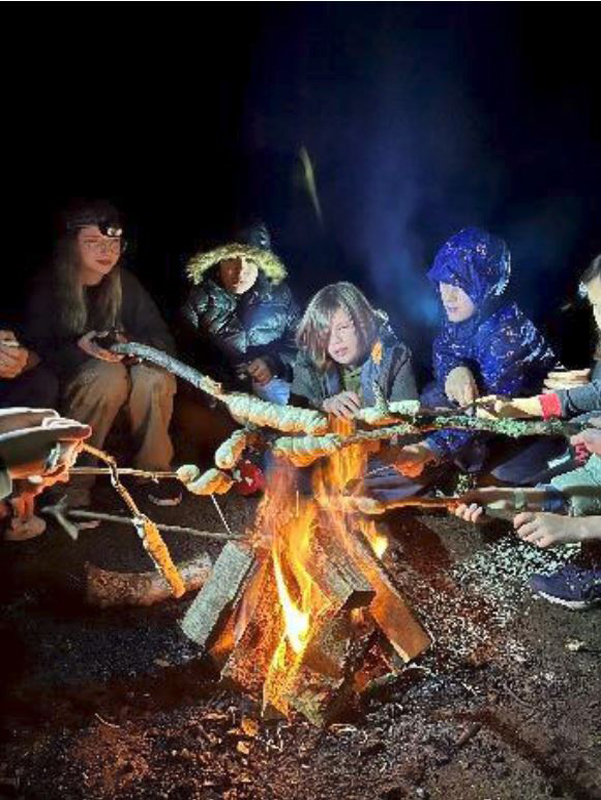
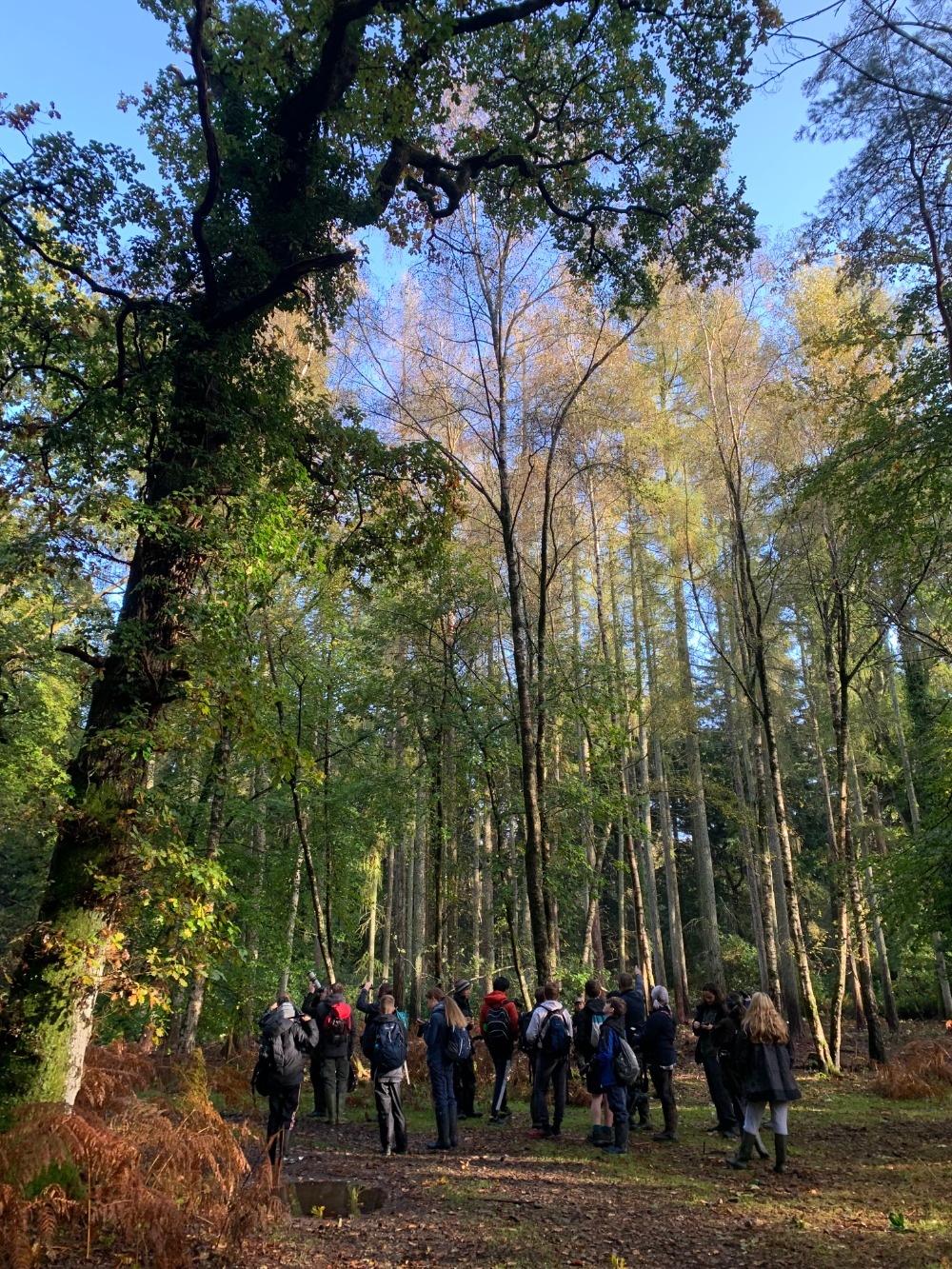
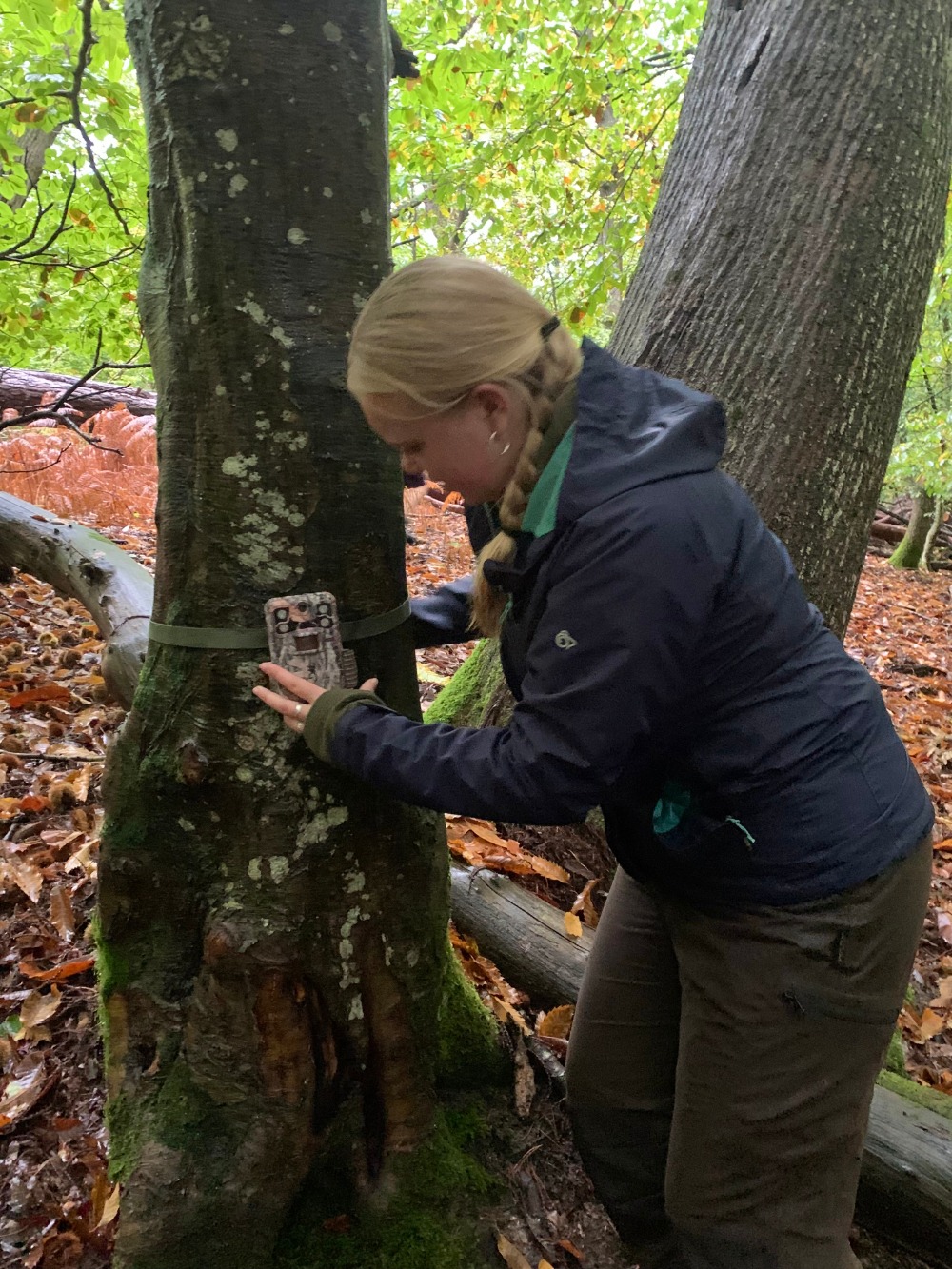
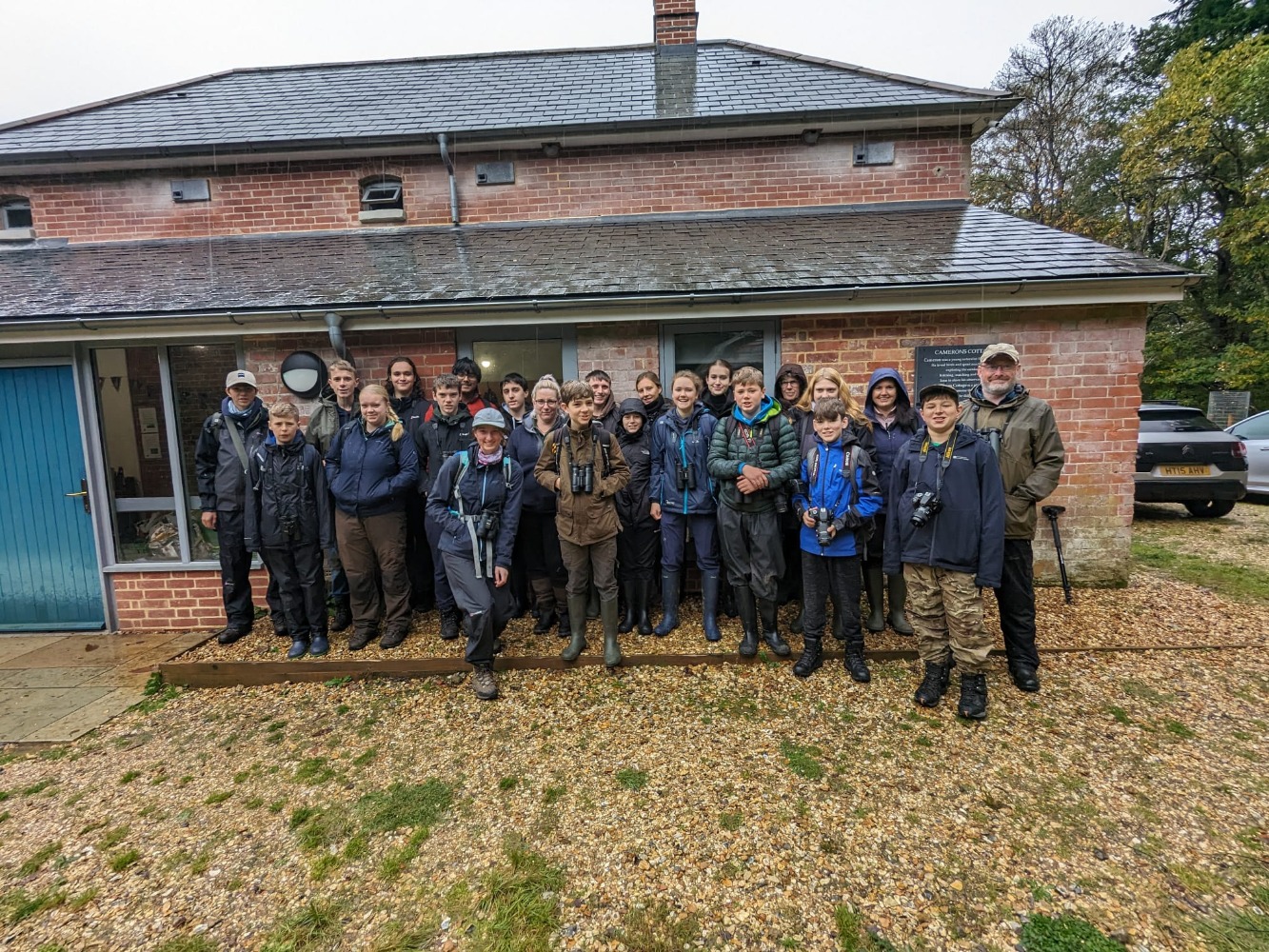
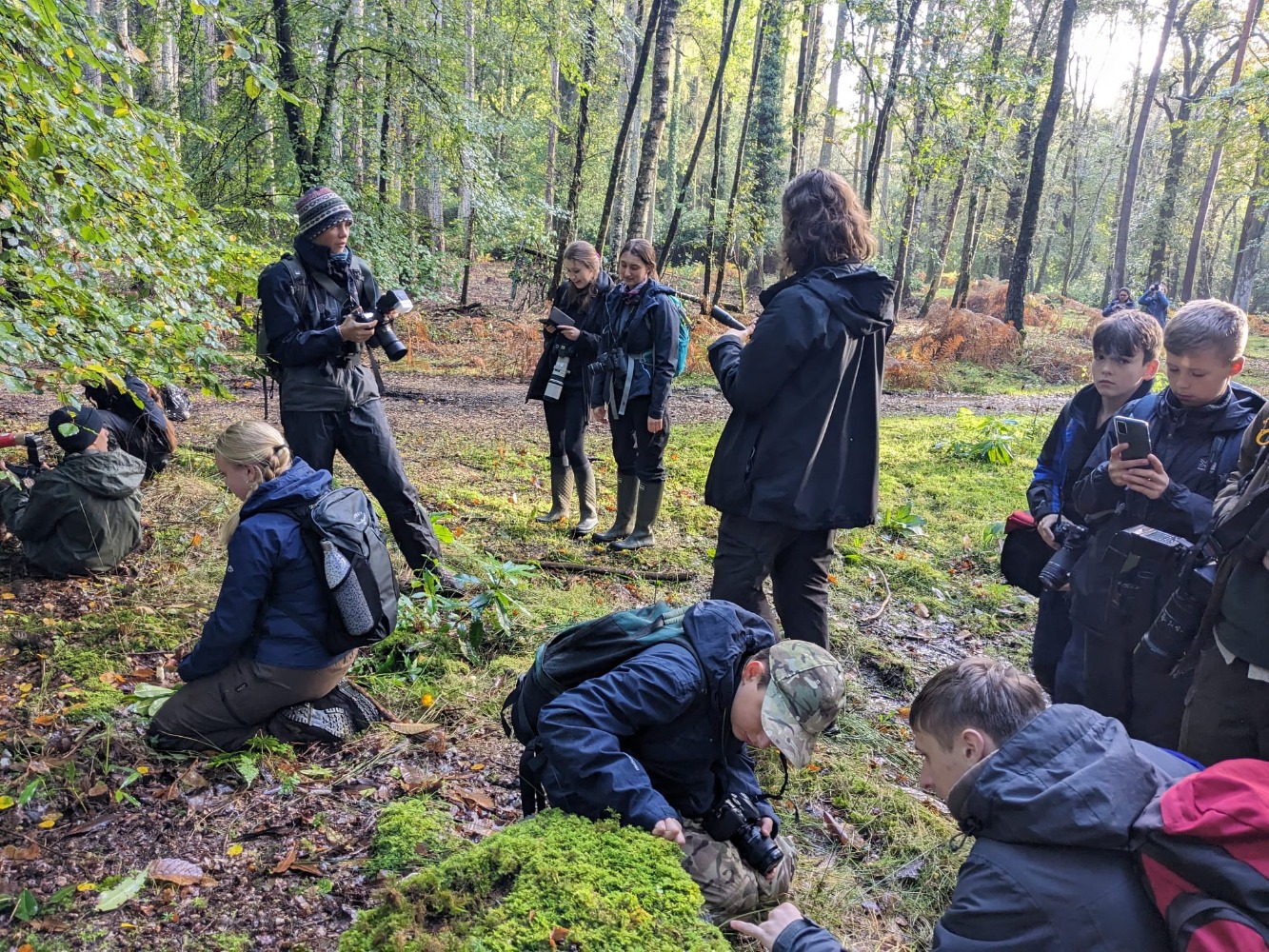
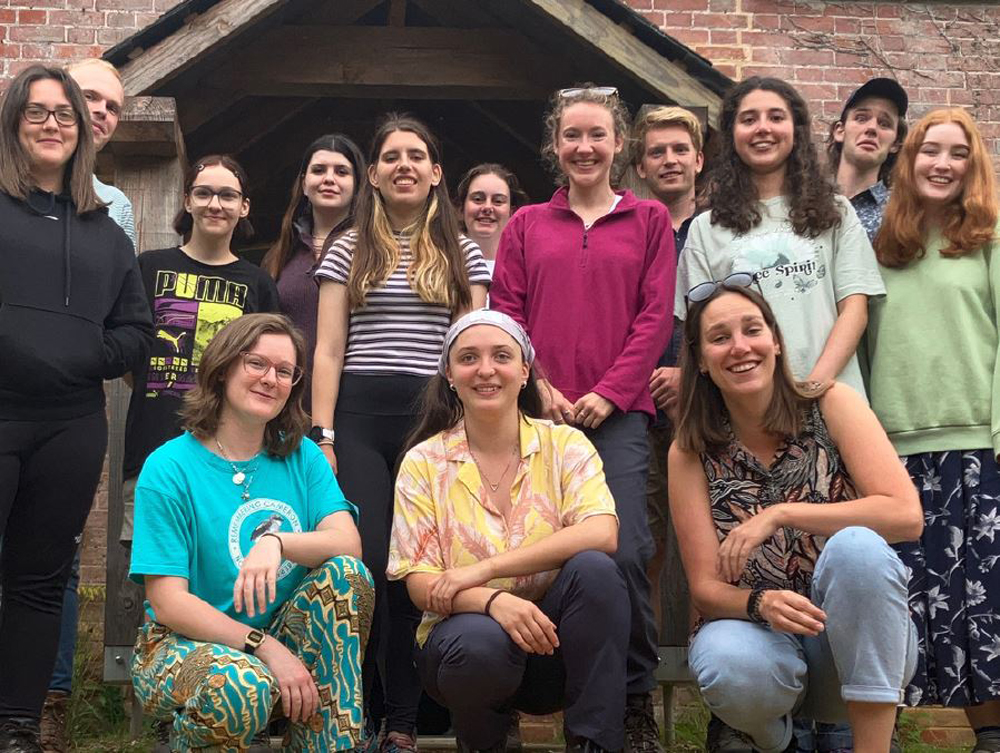 It was a busy four days for participants and lecturers
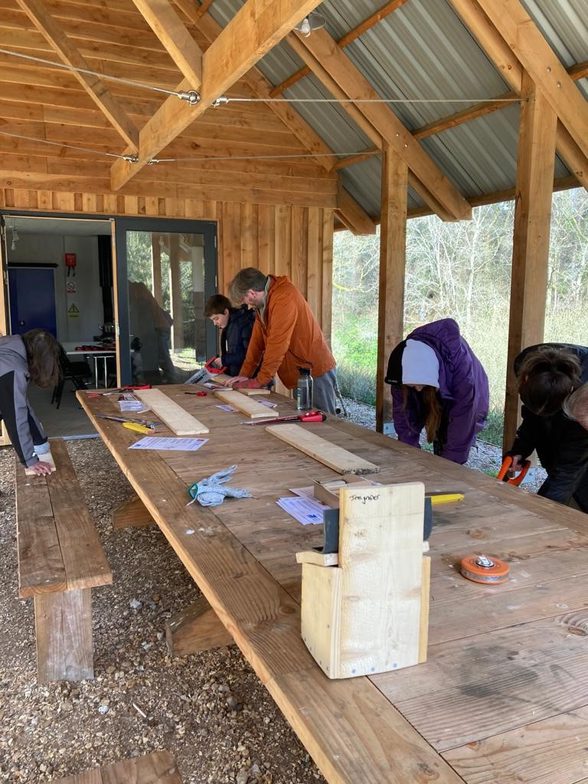
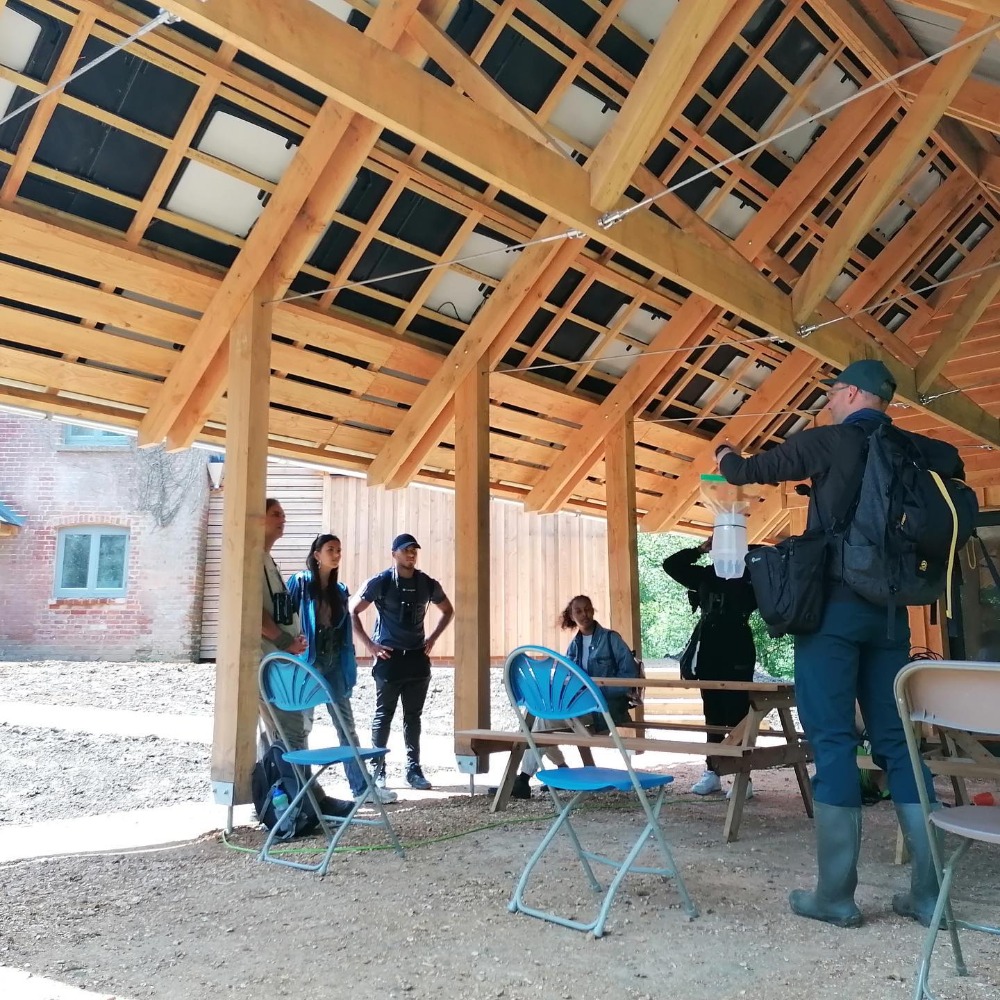
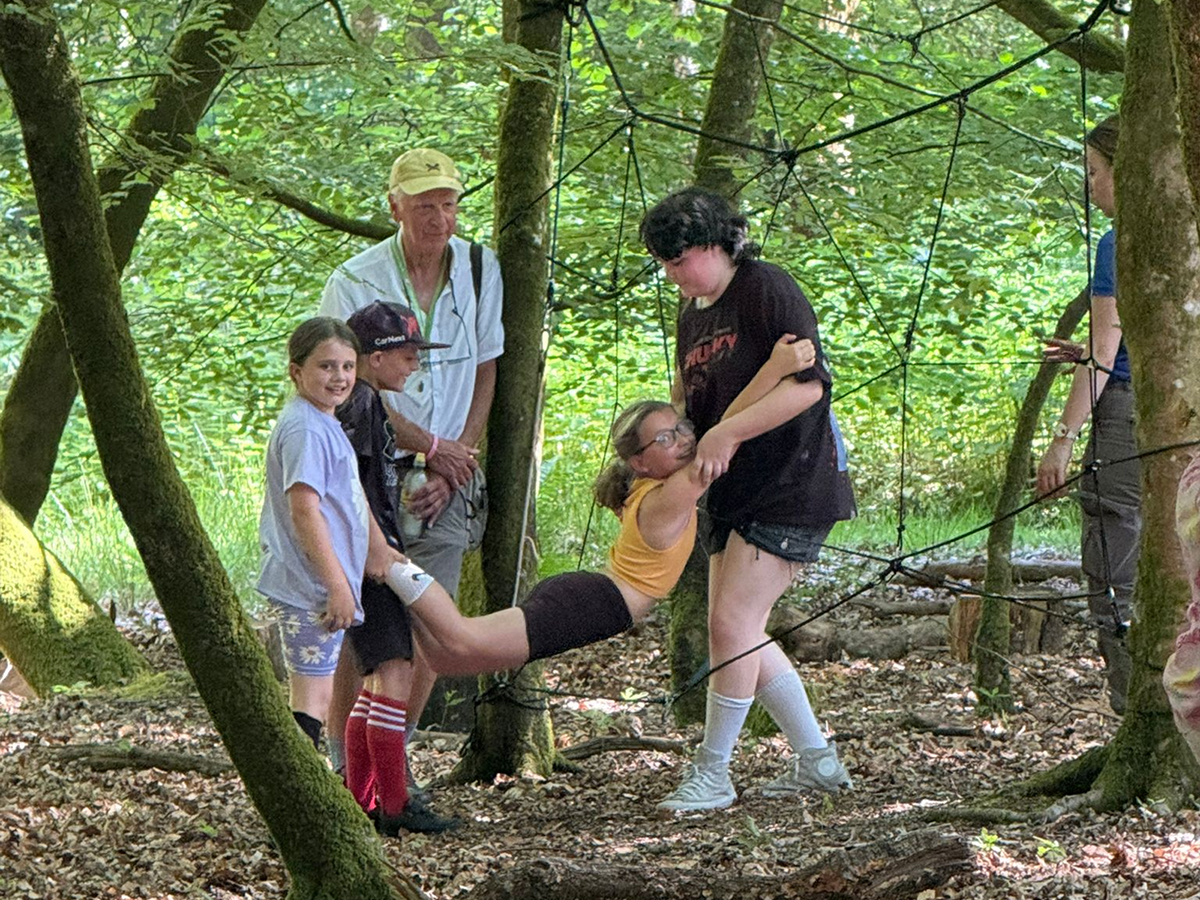
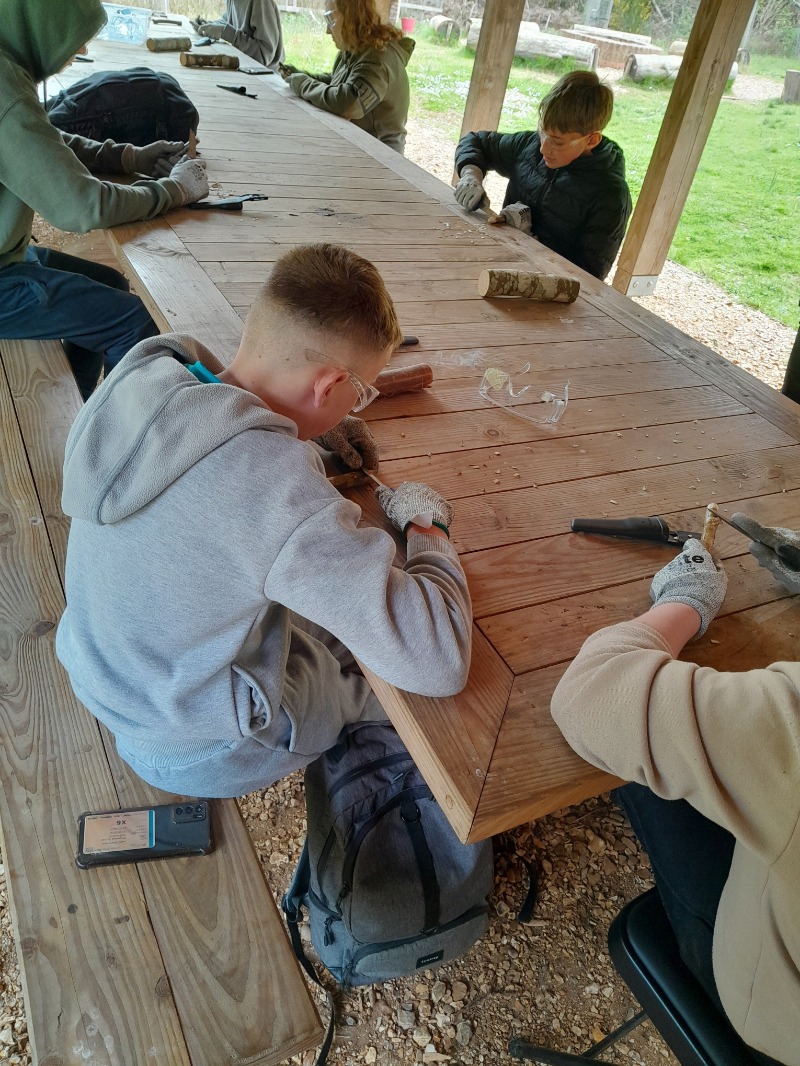
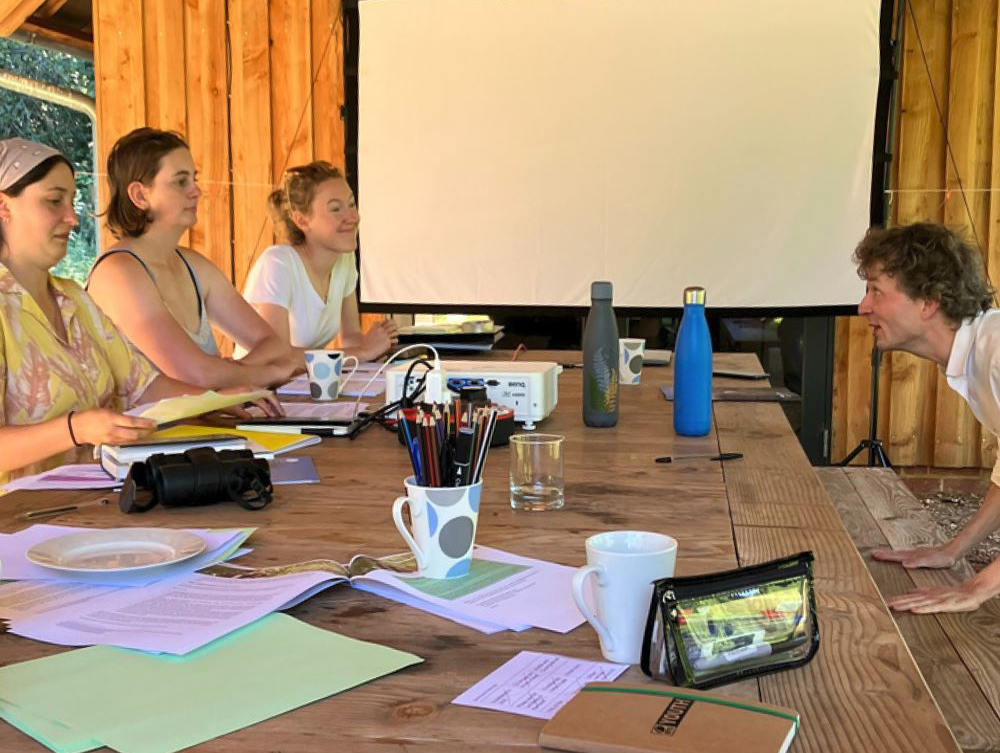 The outdoor classroom proved an ideal learning environment
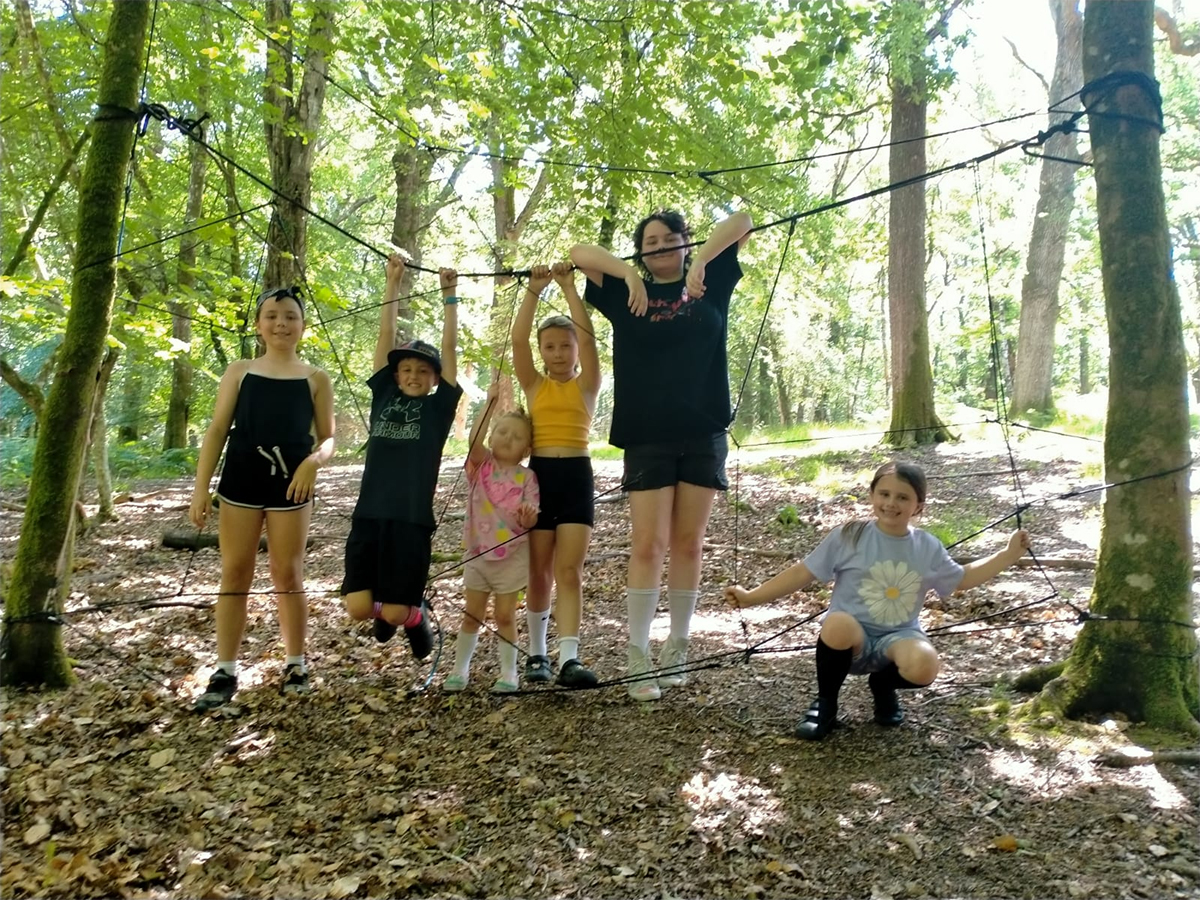
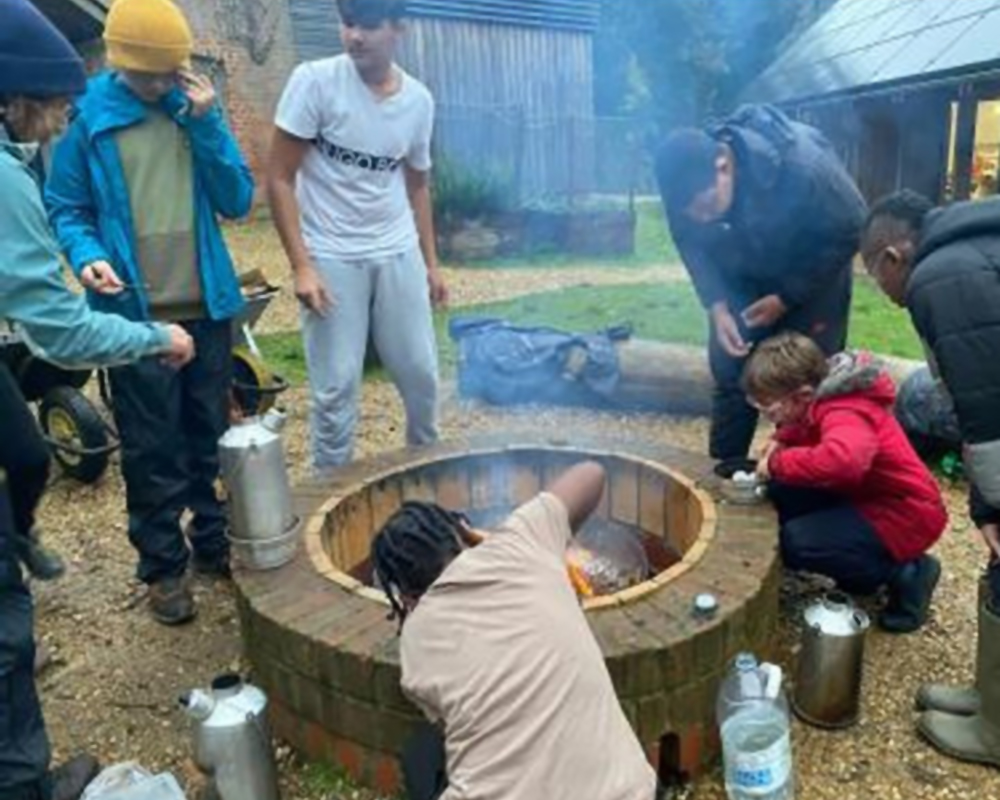
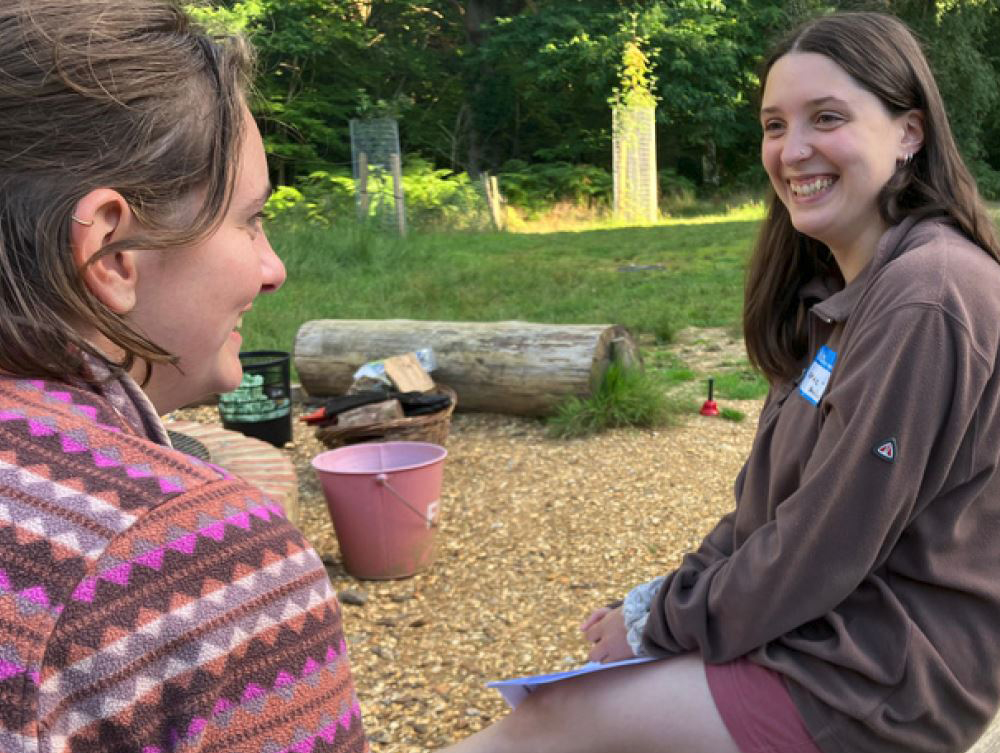 There was plenty of opportunity for socialising
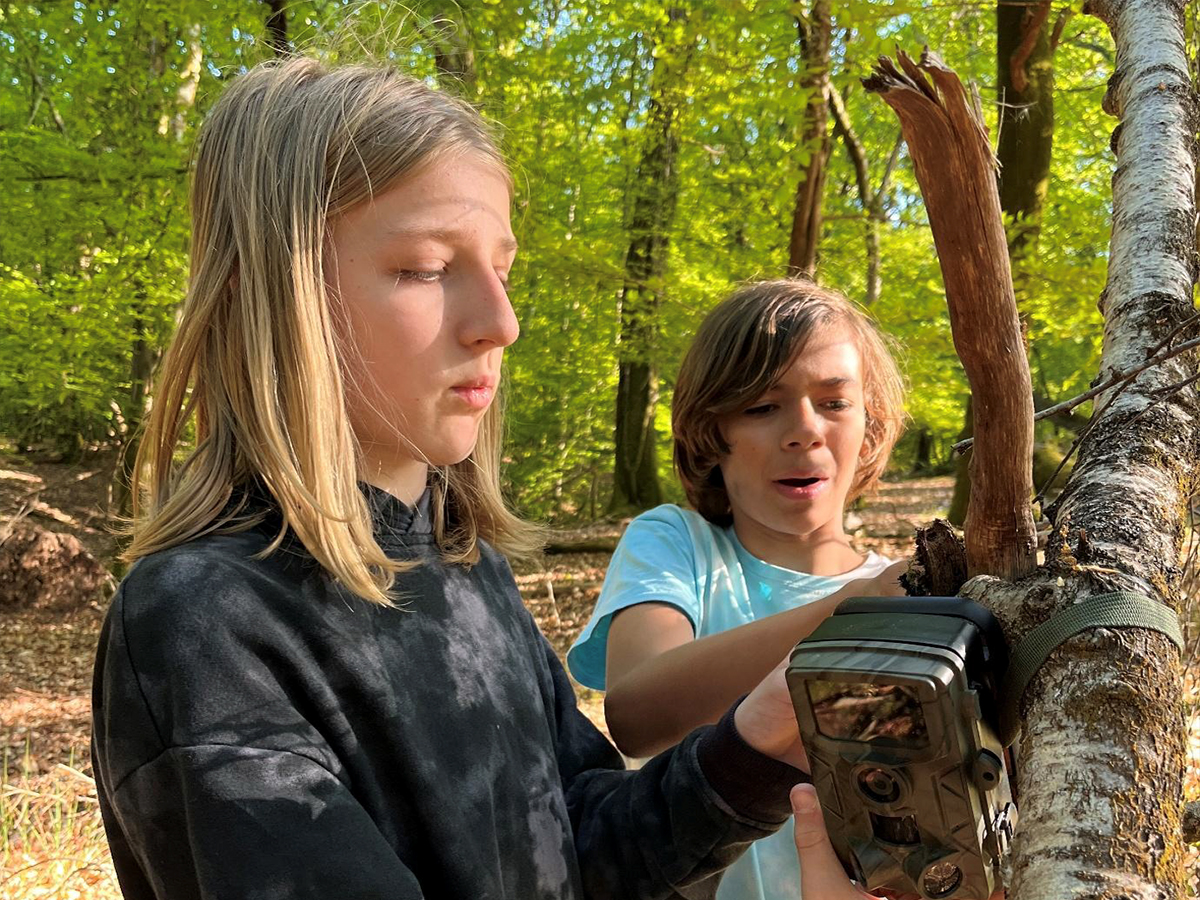
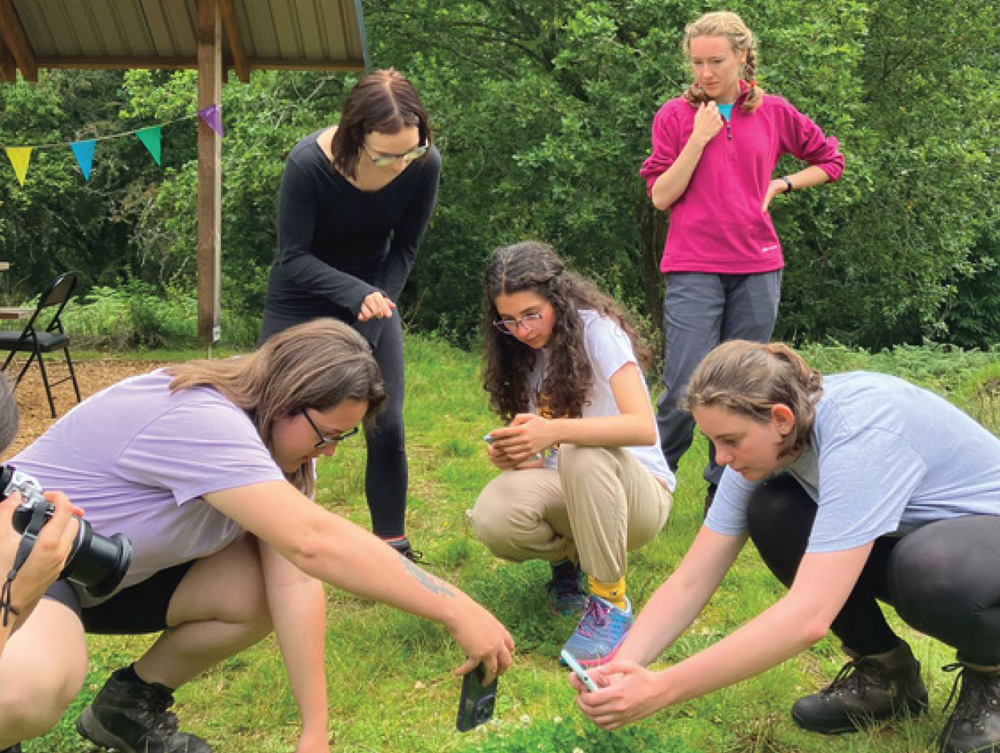 Students gather media content for presentations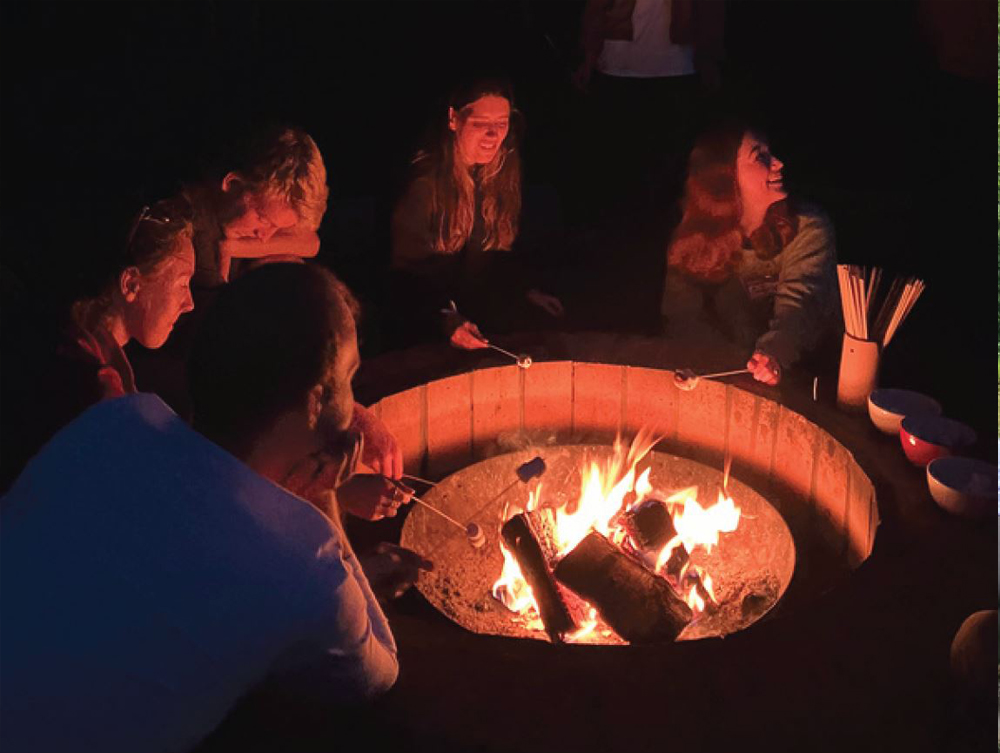
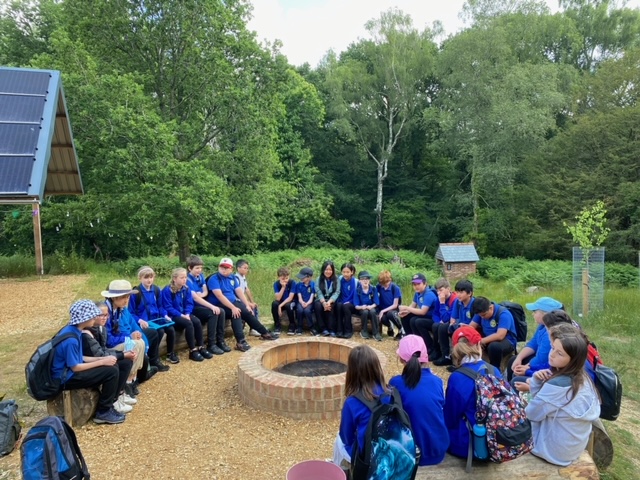
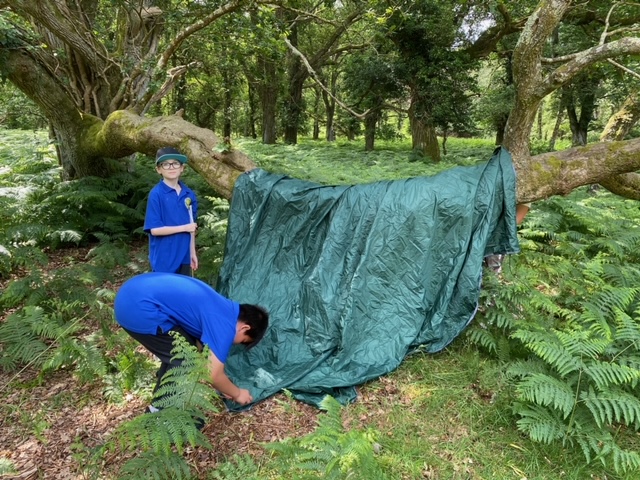
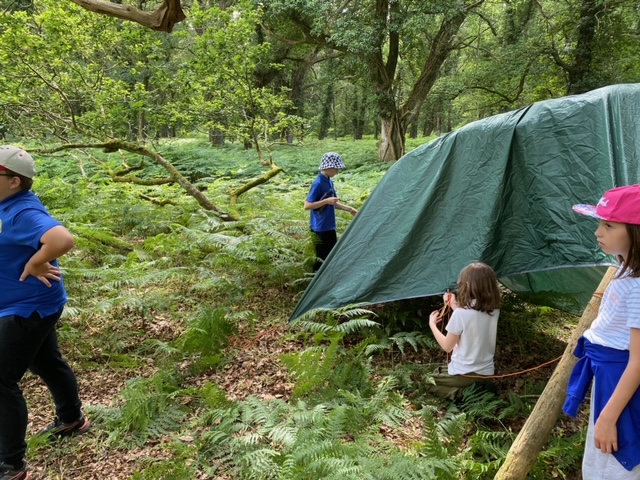
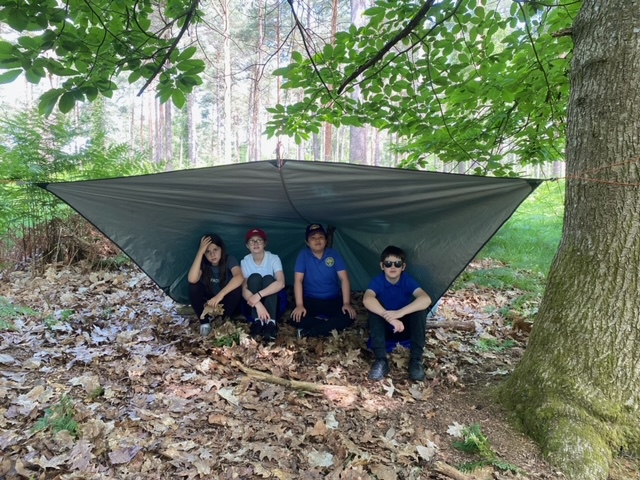

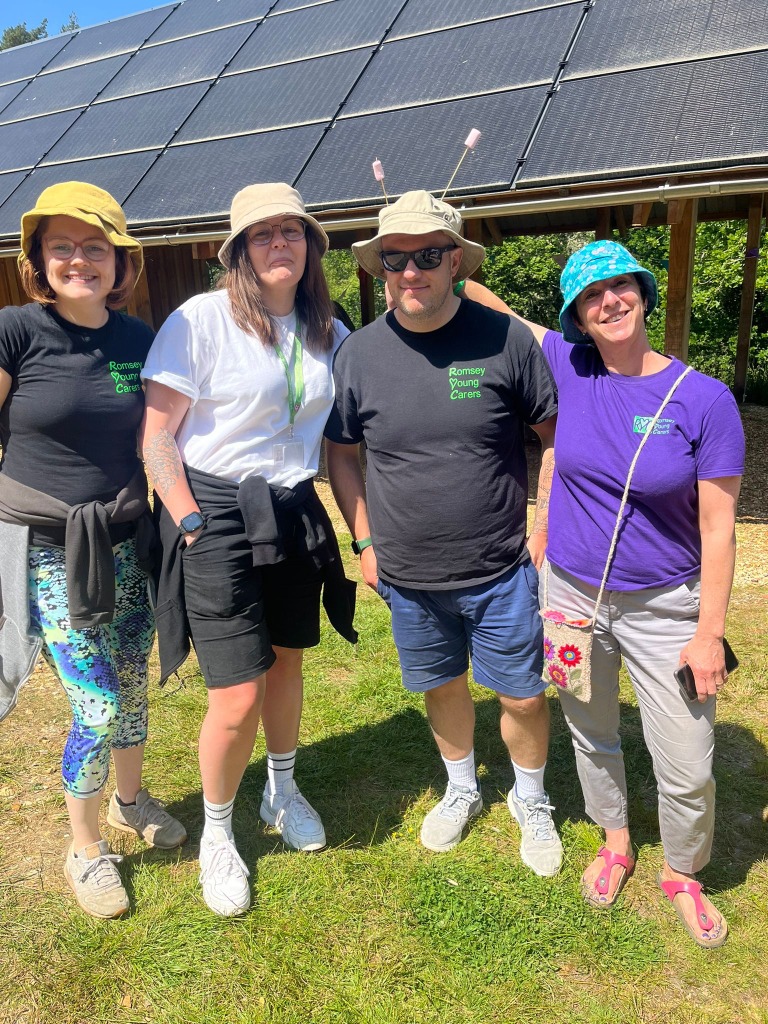
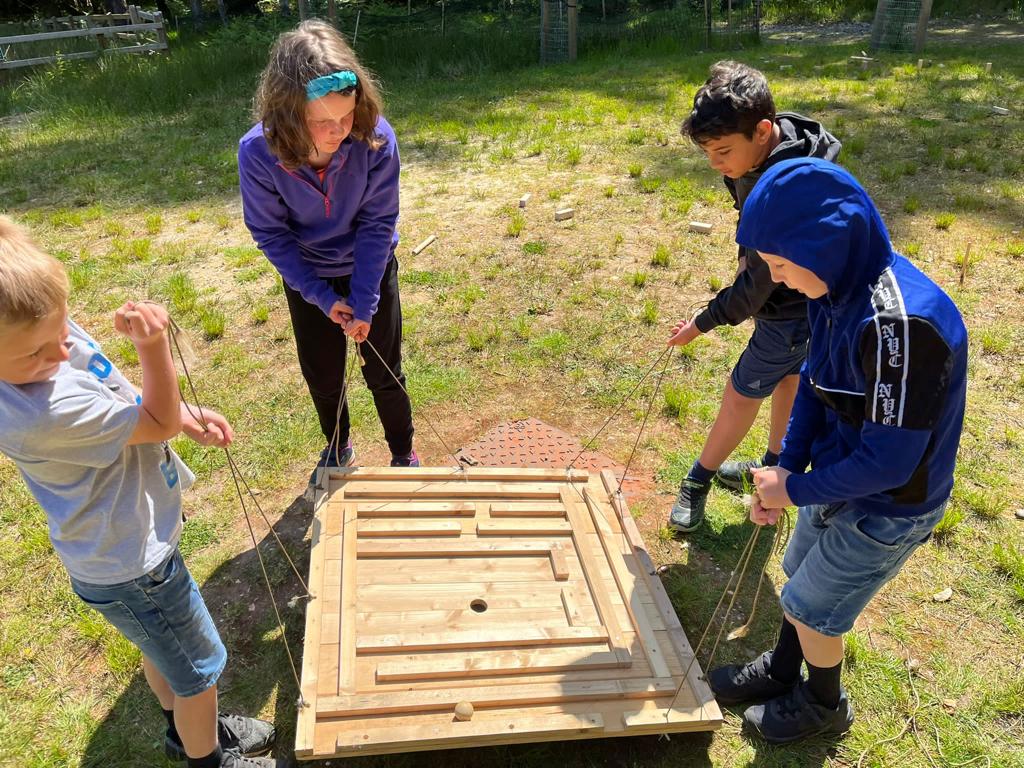
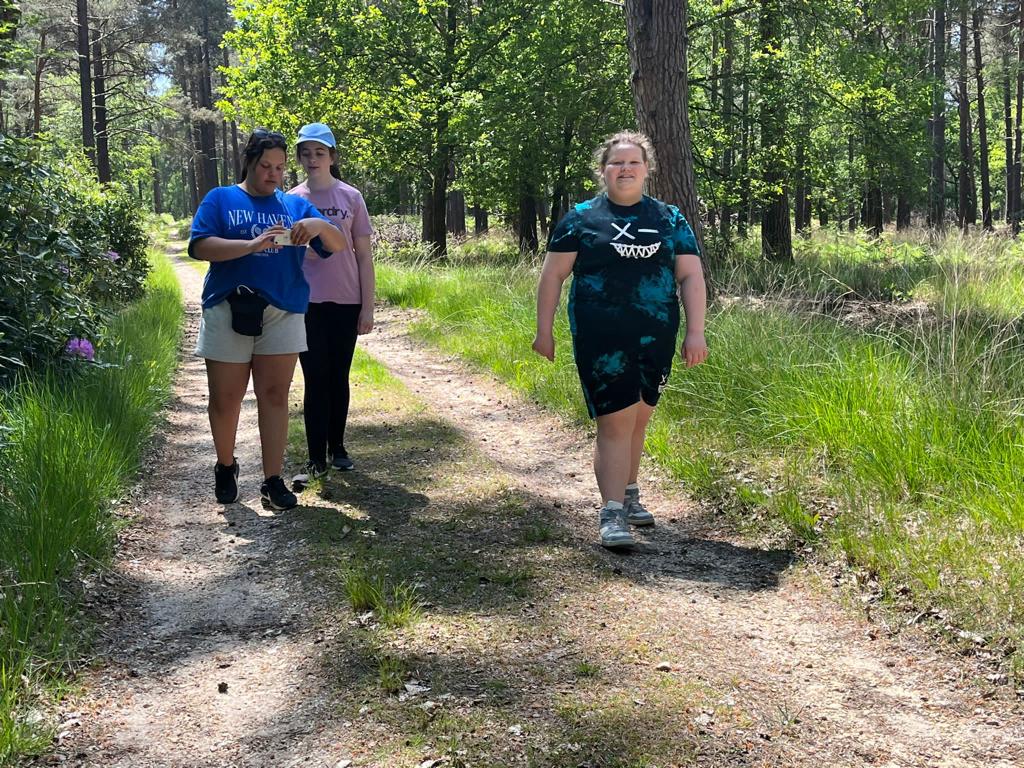
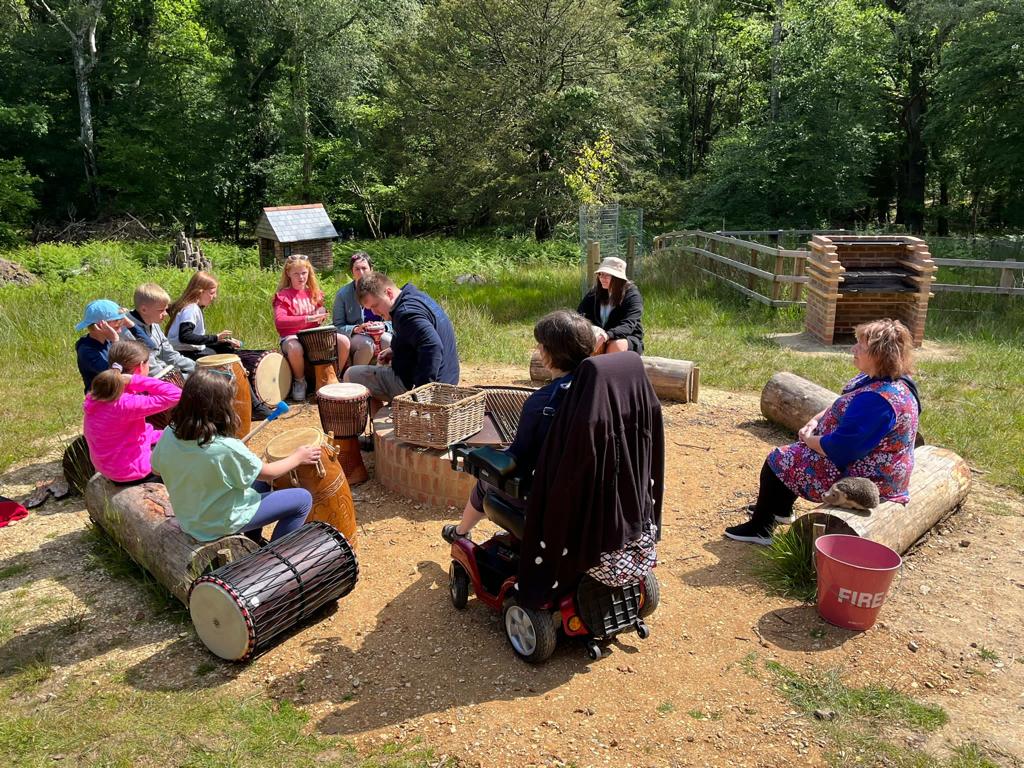
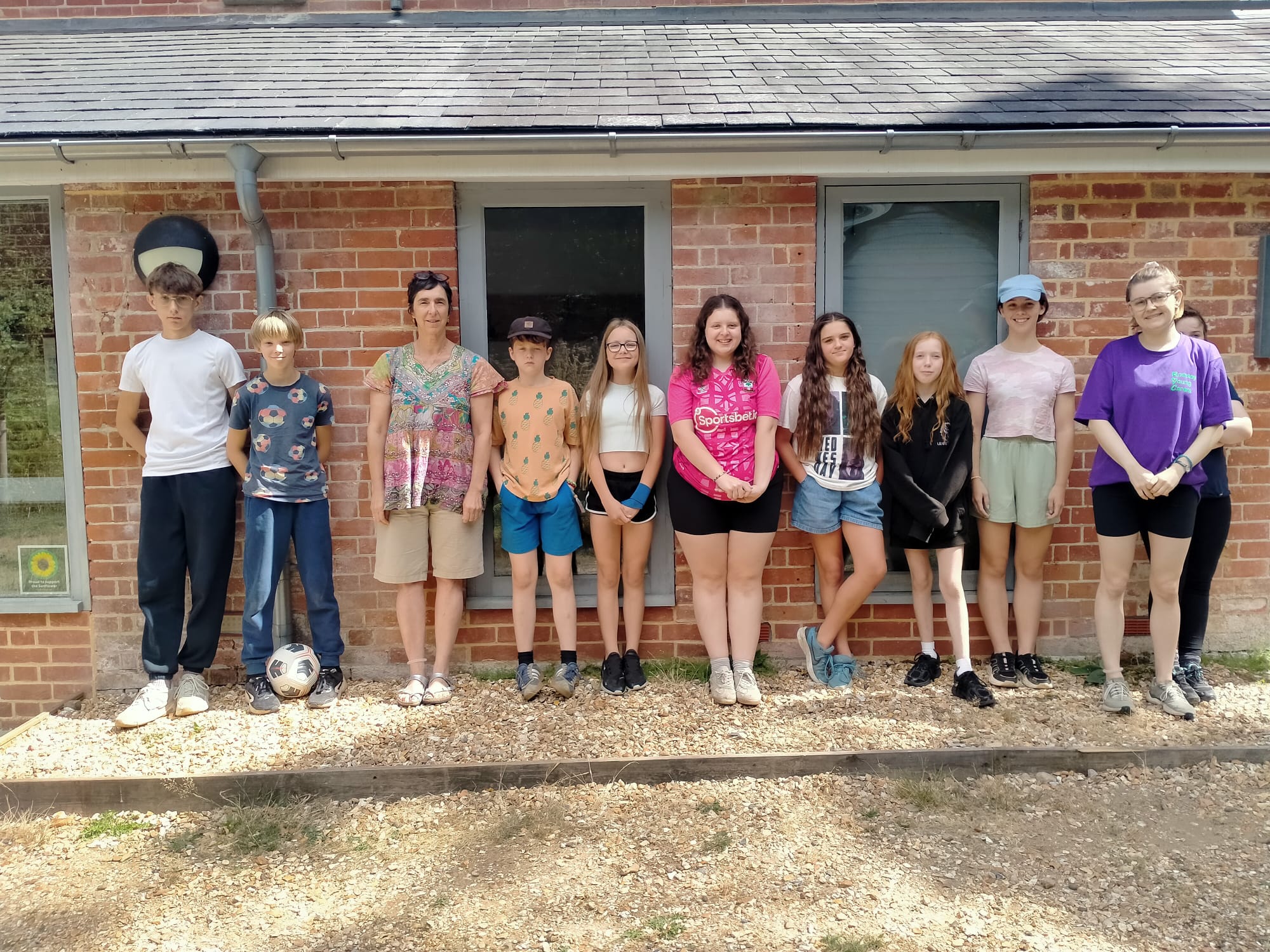
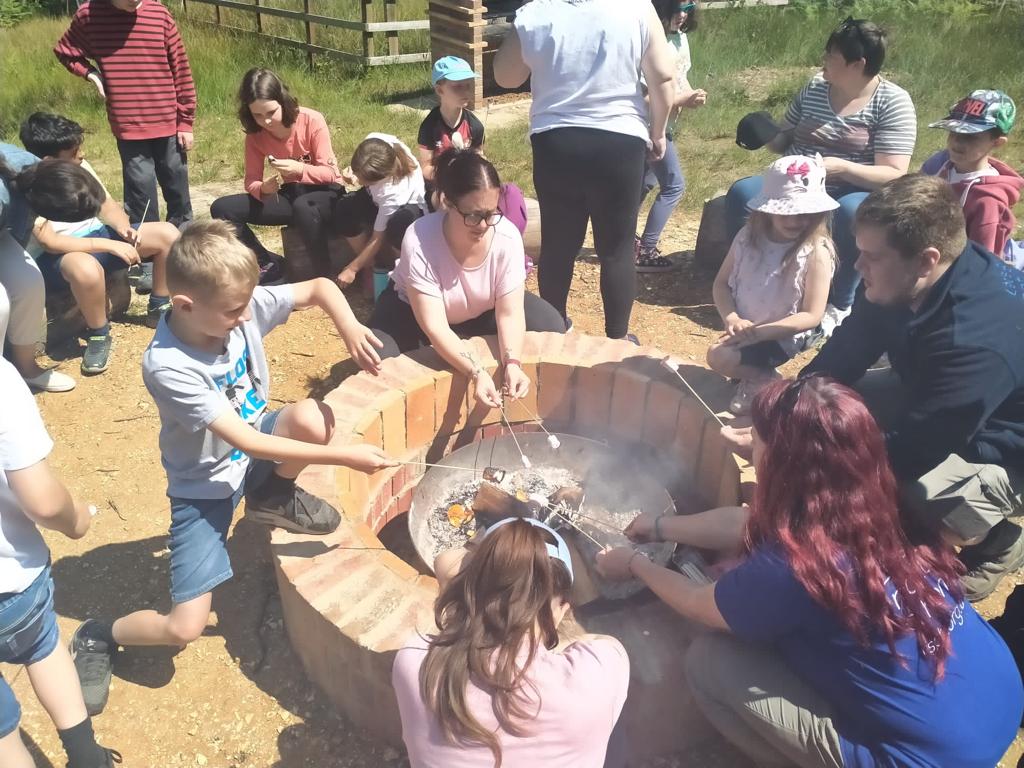 It was a magical day at Cameron's Cottage for Romsey Young Carers